- Licensed and insured facade contractor
- Manhattan, Brooklyn, Queens and the Bronx
- Same-day response on unsafe facades
- Call (917) 355-8556

Home/Facade Services NYC/Terra Cotta Repair NYC
Terra Cotta Repair NYC for Prewar and Landmark Facades
Terra cotta gives NYC’s prewar buildings their cornices, crowns and ornament. It is also one of the top causes of Unsafe FISP ratings, because cracks start inside, where the steel anchors rust. Local Law 11 NYC repairs, pins, re-glazes and replaces terra cotta with the photos and as-built details your QEWI and the Landmarks Preservation Commission expect. Our licensed and insured crews work on prewar co-ops, rental buildings, office towers and landmarks across Manhattan, Brooklyn, Queens and the Bronx.
- Licensed and insured contractor
- FISP and LPC ready records
- Same-day response on unsafe facades

What Terra Cotta Repair Involves in NYC
Terra cotta repair in NYC is the stabilization, patching, pinning, re-glazing or replacement of the glazed fired-clay units that clad and decorate many buildings built from the late 1800s through the 1930s. Most terra cotta damage starts when water gets behind the glaze or through joints and rusts the hidden steel anchors, which then crack the units. Under FISP, any report that includes terra cotta repairs must show before and after photos and as-built details.
Terra cotta units are hollow, hung on steel anchors and finished with a glaze that sheds water as long as it stays intact. That makes terra cotta repair different from brick work. You cannot judge a unit by its face alone, and a surface patch over a rusting anchor only hides the problem until the next inspection. Every terra cotta repair we make starts with finding out what is happening behind the glaze.
- Licensed and insured contractor
- Unit by unit photo records
- In-kind repairs for landmarks
- Prewar residential and commercial buildings
Why Terra Cotta Fails on NYC Buildings
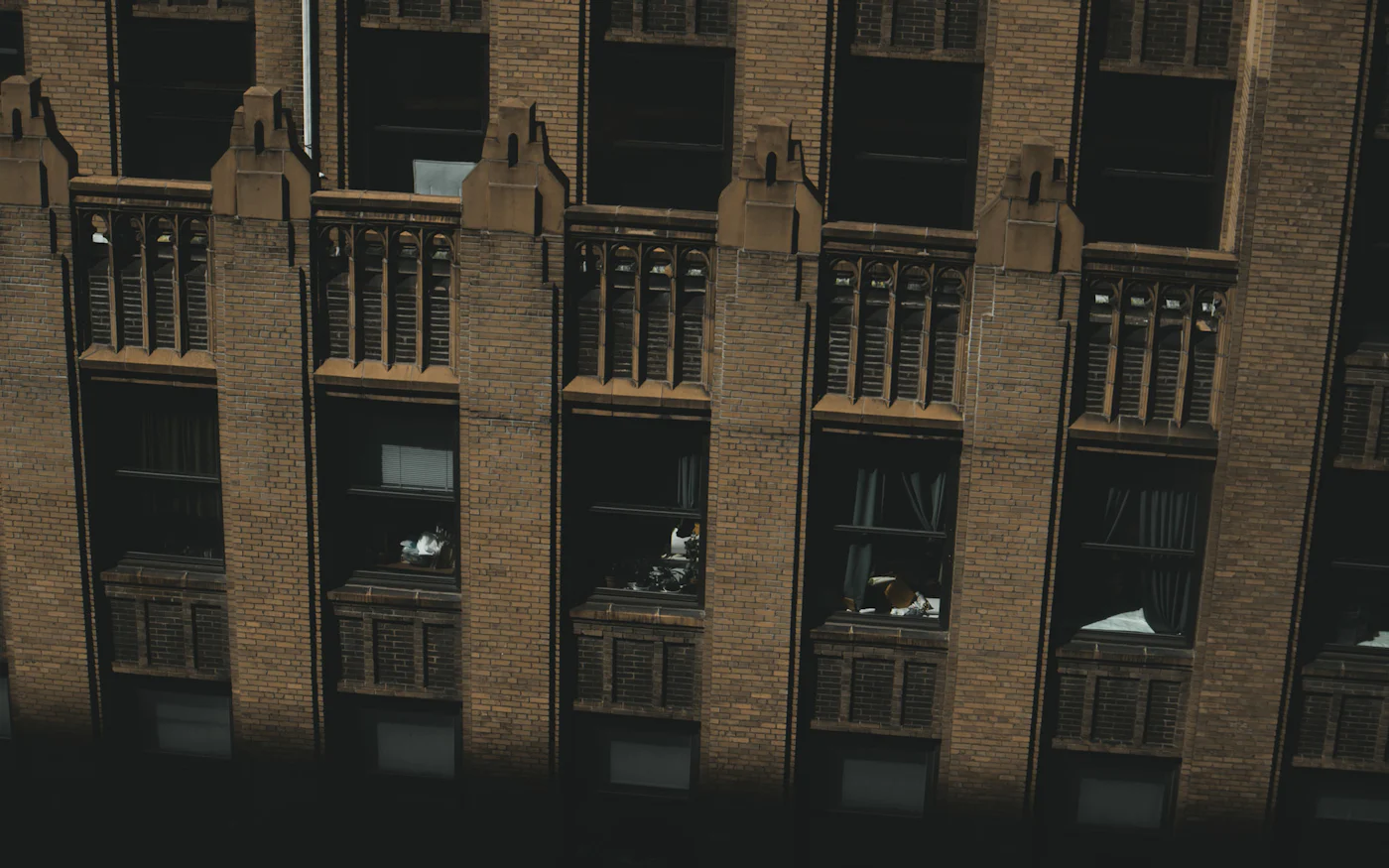
Terra cotta on NYC buildings rarely fails from age alone. It fails when water reaches the parts of the system the glaze was meant to protect. These are the patterns we see most.
| Problem | What causes it | What it looks like |
|---|---|---|
| Anchor corrosion | Water reaches the iron or steel anchors inside the hollow units and rust expands | Cracks through the unit, rust stains, units shifting out of line |
| Glaze crazing and spalling | Fine cracks in the glaze let water into the clay body, which freezes and pops off the face | Missing glaze, flaking faces, exposed raw clay |
| Failed joints | Old or hard mortar cracks and lets water into the units and backup | Open joints, plant growth, water staining below |
| Movement without relief | The frame and masonry move but the terra cotta has no soft joints | Long cracks lining up across many units |
| Past bad repairs | Cement patches, hard mortar or coatings that trap moisture | Patches falling off, darker damp areas, new cracks next to old patches |
Terra Cotta Repair Options for NYC Facades
The right terra cotta repair keeps as much original material as possible while making each unit safe for a full cycle. Your QEWI makes the final call on each unit, and we give the options and costs.
| Repair option | Best for | How it works |
|---|---|---|
| Repointing and sealing joints | Sound units with open or failed joints | Cut out old mortar and repoint with a soft, compatible mortar. Sealant is used only where the design calls for it |
| Patching | Small spalls and chips on otherwise sound units | Compatible repair mortar shaped to the profile and finished to match |
| Re-glazing or coating | Units that have lost glaze but are structurally sound | A breathable glaze coating restores color and sheds water |
| Crack injection | Fine cracks in sound units | Low-pressure injection fills the crack and seals out water |
| Pinning | Cracked or loose units that are still worth saving | Stainless steel pins drilled and bonded through the unit into sound backup |
| Anchor replacement | Units whose hidden anchors have rusted | The unit is removed, new stainless anchors are set and the unit is reset |
| Replacement | Units too broken or deteriorated to repair | A new matched unit is made and installed with new anchors |
Under DOB guidance, a report with patched terra cotta must explain why repair was chosen over replacement, and a report with pinned units must explain how the material was judged sound enough to pin. We collect the photos and notes for both.
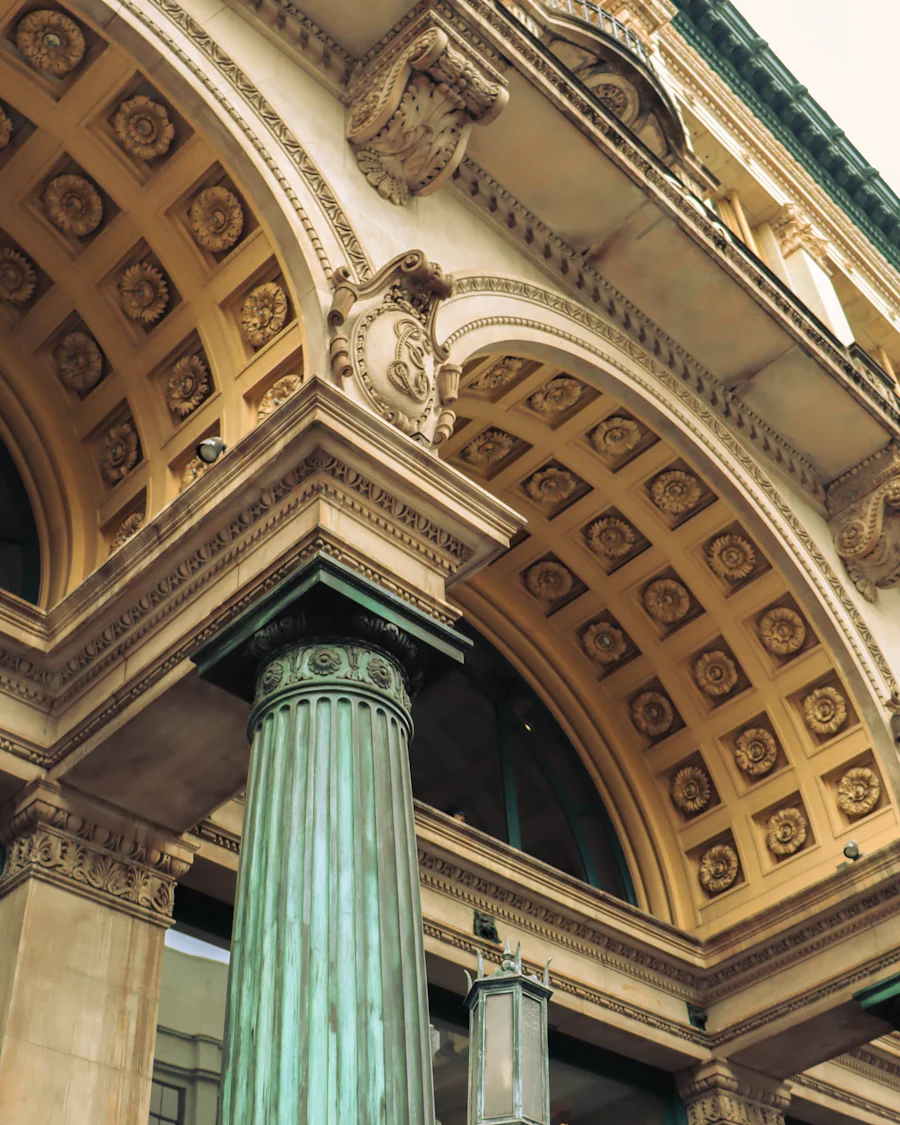
Ornament that is still sound can often be pinned rather than replaced.
Terra Cotta Replacement Units and Lead Times
When a unit cannot be saved, the replacement choice affects looks, approvals and schedule. We help you choose before the first piece comes off the wall.
| Replacement material | Strengths | Things to weigh |
|---|---|---|
| New fired terra cotta | True in-kind match in material, weight and glaze, preferred on landmarks | Custom molds and firing mean the longest lead time, often several months |
| Glass fiber reinforced concrete (GFRC) | Lighter units and faster production for large cornice pieces | Needs approval on landmarked buildings and careful color matching |
| Cast stone | Durable for simple profiles like sills and bands | Heavier, and a different look from glazed terra cotta up close |
| Other substitute materials | Can suit hard-to-reach ornament | Approved case by case, and not accepted everywhere |
Because new terra cotta takes time to make, we order early, protect the open area with netting or temporary covers, and build the lead time into your DOB extension schedule. The National Park Service’s Preservation Brief 7 is a good guide to when replacement makes sense.

Replacement units must match profile, color and glaze.
FISP and Landmarks Rules for Terra Cotta Repair in NYC
Terra cotta repair in NYC is held to more paperwork than most facade work, and missing records can hold up the amended report. These are the rules we plan around.
FISP Report Records for Terra Cotta
- Before and after photos of every repaired unit
- As-built details showing what was done and where
- For patched units, an explanation of why repair was chosen over replacement
- For pinned units, an explanation of how the material was judged sound enough to pin
Landmarks Preservation Commission Approvals
Terra cotta buildings that are individual landmarks or sit in a historic district need an LPC permit before repair work starts. LPC generally expects in-kind repair and replacement, with matching profile, color and glaze, and may ask for samples or mockups before approving the work. Some substitute materials are reviewed case by case and are not always accepted.
DOB Permits
Larger terra cotta repairs, anchor replacement and unit replacement usually need a DOB work permit. The QEWI report states which repairs need one, and we file and track those permits with the rest of the job. Unsafe terra cotta also starts the 90-day repair clock covered on our unsafe facade repair NYC page.

Landmarks and historic districts need an LPC permit before work starts.
Our Terra Cotta Repair Process in NYC
Every terra cotta repair we run in NYC follows the same seven steps, so nothing is missed between the scaffold and the amended report.

01
Make safe
Loose pieces over the sidewalk are removed or netted the same day, and each one is labeled and kept for matching.
02
Sound and survey
Every unit in the work area is tapped and looked at closely, then mapped on an elevation drawing as sound, repair or replace.
03
Choose the repair with your QEWI
For each unit we agree on patching, pinning, anchor work or replacement, and record the reason.
04
Approvals and ordering
We file LPC and DOB permits where needed and order replacement units early to cover the lead time.
05
Repair and replace
Crews pin, patch, re-glaze, reset and install new units with stainless anchors and soft joints.
06
Document every unit
Before and after photos and as-built details are logged unit by unit for the report.
07
QEWI sign-off
Your inspector reviews the work, and the records go into the amended report or your next FISP file.
Where terra cotta sits next to brick, our masonry facade repair NYC crews handle the surrounding wall in the same mobilization.
Terra Cotta Repair Across NYC Boroughs
Terra cotta was used across the city from the late 1800s to the 1930s, so terra cotta repair in NYC follows the buildings of that era borough by borough.

Manhattan
The city’s densest terra cotta, from early office towers in Midtown and the Flatiron area to apartment houses on the Upper West Side and Broadway, with heavy cornices and crowns over busy sidewalks.

Brooklyn
Prewar office and civic buildings in Downtown Brooklyn and elevator apartment buildings in Park Slope, Prospect Heights and Flatbush with terra cotta window surrounds and bands.
Queens
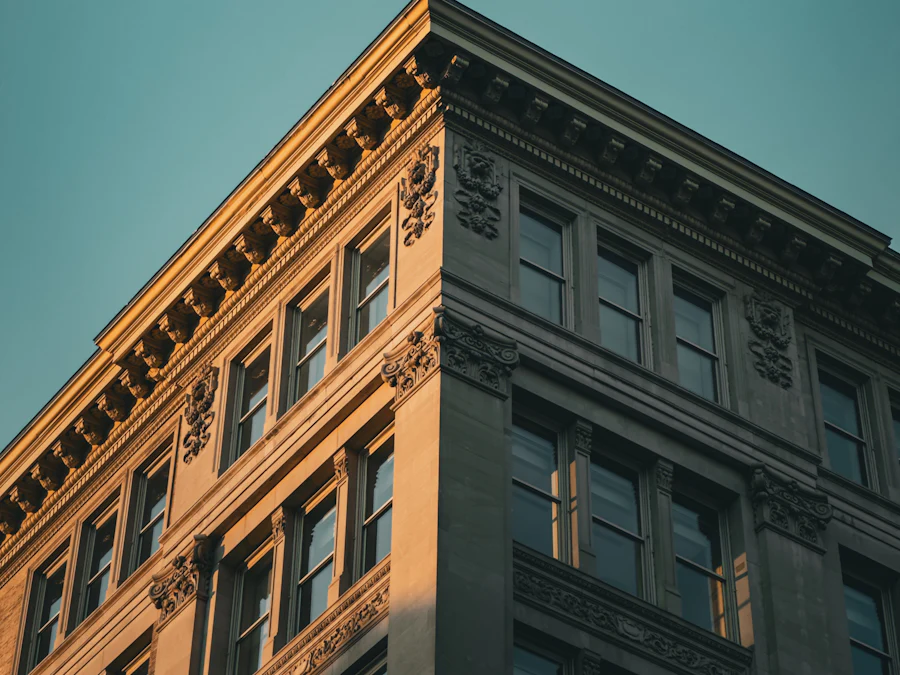
Prewar apartment buildings and commercial blocks in Jackson Heights, Sunnyside and Long Island City with terra cotta trim, entrances and parapet copings.

Bronx
Art Deco and Art Moderne apartment houses on the Grand Concourse with colorful glazed terra cotta panels and ornament that need careful color matching.
Wherever your terra cotta is, we keep the original wherever it can be saved and match it exactly where it cannot.
Facade Services That Work Alongside Terra Cotta Repair
Terra cotta repairs often share a scaffold with masonry, parapet and sealant work, and every one feeds the same FISP report.
Cornice Repair NYC
Sheet metal, stone and terra cotta cornices
FISP Inspection NYC
QEWI access, scaffold drops and filing support
Local Law 11 Facade Repair NYC
Repairs built straight from your FISP report
Unsafe Facade Repair NYC
Same-day protection and make-safe work
SWARMP Repairs NYC
Phased repairs before items turn Unsafe
Masonry Facade Repair NYC
Brick, stone, wall ties and rebuilds
Parapet Wall Repair NYC
Annual parapet observations and repairs
Facade Caulking and Sealant NYC
Sealant replacement at windows and joints
Sidewalk Shed and Scaffolding NYC
Sheds, pipe scaffolds and swing stages
Balcony Repair NYC
Balcony slabs, railings and terrace guards
Steel Lintel Replacement NYC
Rusted lintels over windows and doors
Brick Pointing NYC
Repointing and tuckpointing brick joints
Terra Cotta Repair NYC FAQs
Answers on sounding, pinning, replacement lead times, coatings and Landmarks approvals.
How can you tell if terra cotta is loose when it looks fine?
By sounding. A sound unit rings when tapped, while a cracked or detached unit sounds dull or hollow. That is why close-up access matters so much on terra cotta buildings.
Why are there rust stains running down my terra cotta?
Rust stains usually mean the steel anchors inside the units are corroding. That rust expands and cracks the terra cotta from inside, so stained units should be checked closely.
Is it better to repair or replace terra cotta?
Repair whenever the unit is sound enough, because original material is cheaper to keep and preferred on landmarks. Replace only when a unit is too broken or deteriorated to make safe.
How long does new terra cotta take to make?
Often several months, because each piece needs a custom mold, matched clay and a matched glaze. We order early and protect the open area while the units are made.
What does pinning terra cotta mean?
Stainless steel pins are drilled through a cracked or loose unit and bonded into sound material behind it. Pinning saves units that would otherwise have to come off the wall.
Can terra cotta be painted?
Not with ordinary paint, which can trap moisture and lead to spalling. Units that have lost their glaze can take a breathable glaze coating made for terra cotta.
Should terra cotta be sealed with a clear coating?
Usually not. The glaze already sheds water, and clear sealers can trap moisture inside the unit. Repairing joints and cracks protects terra cotta far better.
Can a terra cotta cornice simply be removed?
Sometimes, but it usually needs DOB approval, and on landmarked buildings it needs LPC approval too. Repair or replacement in kind is often the faster path to an approved repair.
Can GFRC replace terra cotta on a landmarked building?
Only with Landmarks Preservation Commission approval, which is decided case by case. On many landmarks, new fired terra cotta is the expected replacement.
Is terra cotta the same as brick?
No. Architectural terra cotta is a hollow, glazed fired-clay unit hung on metal anchors, while brick is a solid unit laid in mortar. They fail in different ways and need different repairs.
Can terra cotta be repaired in winter?
Some work can, with heated enclosures and cold weather procedures. Patching and glaze coatings need minimum temperatures to cure, so some steps are best done in warmer months.
What records does my QEWI need after terra cotta repairs?
Before and after photos, as-built details, and written reasons for each patching and pinning choice. We deliver these unit by unit so the report moves quickly.
Save Your Terra Cotta Before the Next FISP Report
Send us your FISP report or photos of cracked or stained terra cotta. Local Law 11 NYC will survey the units, recommend the right repair for each one and deliver the records your QEWI and LPC need.