- Licensed and insured facade contractor
- Manhattan, Brooklyn, Queens and the Bronx
- Same-day response on unsafe facades
- Call (917) 355-8556

Home/Facade Services NYC/Steel Lintel Replacement NYC
Steel Lintel Replacement NYC for Rusted Window and Door Lintels
Rusting steel lintels are behind many of the cracked window corners and loose bricks on FISP reports. Local Law 11 NYC shores the wall, removes the corroded steel, installs new galvanized lintels with proper flashing and rebuilds the brick to match on apartment buildings, co-ops, condos and commercial buildings across Manhattan, Brooklyn, Queens and the Bronx.
- Licensed and insured contractor
- Shored and replaced, never painted over
- Flashing and weeps on every lintel

What Steel Lintel Replacement Involves
A lintel is the beam that carries the masonry over a window or door opening. On most NYC brick buildings it is a steel angle hidden behind the outer brick. Steel lintel replacement means shoring the wall, removing the brick above the opening, cutting out the rusted steel, installing a new galvanized lintel with flashing and weep vents and rebuilding the brick to match. When corrosion is caught early, the existing steel can sometimes be cleaned, coated and flashed instead of replaced.
Steel rusts when water reaches it, and rust takes up several times the space of the steel it replaces. That growth, often called rust jacking, lifts the brick above the opening, cracks the corners of the window and can push bricks out of the wall. Painting the visible edge of the lintel does not stop it, because the corrosion is happening inside the wall where nobody can see it.
- Licensed and insured contractor
- Shoring set to the engineer’s design
- Photo record of every opening
- Apartment and commercial buildings
Signs of a Rusted or Failing Lintel
Lintel problems show up in the brick around the window long before the steel itself is visible.
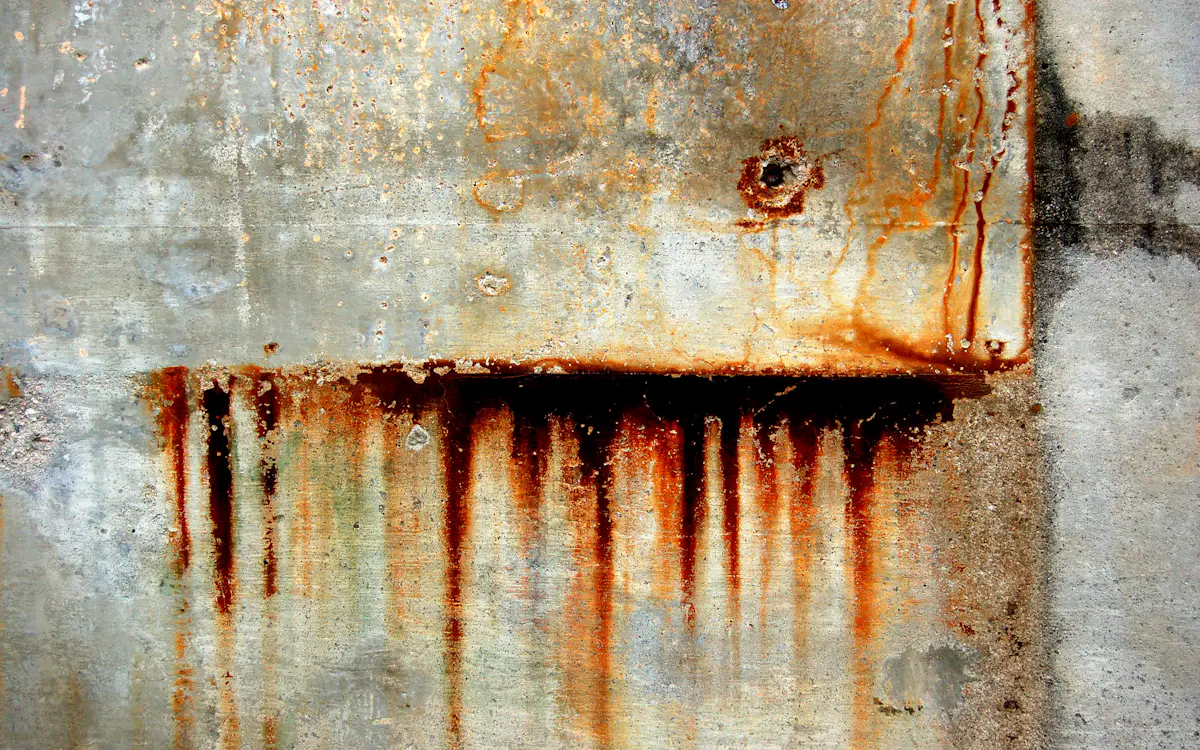
Stair-Step Cracks at Window Corners
Diagonal cracks running up from the top corners of a window are the classic sign of a lintel lifting the brick.
Brick Lifting Above the Opening
A horizontal crack or a visible bump in the courses just above the window head.
Rust Stains at the Window Head
Brown staining on the brick or window frame below the lintel shows the steel is corroding.
Sagging Brick Over Openings
Brick that dips in the middle of a wide opening means the lintel has lost strength.
Windows That Stick or Leak
A swelling lintel can pinch the window frame and open gaps where water gets in.
Loose Bricks Over Windows
Brick that moves or has fallen from above a window is a hazard and is often rated Unsafe.
Repair or Replace? Choosing the Right Lintel Fix
Not every rusty lintel has to be replaced. Your QEWI or engineer sets the repair, and we follow that design.
| Option | When it fits | Limits |
|---|---|---|
| Clean, coat and flash in place | Light surface rust with the steel still at full thickness | Only works before the steel has lost section |
| Partial lintel repair | One end or bearing is badly corroded on a longer lintel | Needs an engineered splice or new bearing |
| Full lintel replacement | The steel has flaked apart, lost thickness or lifted the brick | Requires shoring and rebuilding the brick above |
| New lintel at a failed brick arch | A brick arch over the opening has cracked or dropped | The new lintel has to carry the load the arch once did |
Under DOB facade filing guidance, removing and replacing steel lintels beyond small areas of brick generally needs a work permit. We coordinate the filing with your design professional before the wall is opened.

The right lintel fix depends on how much steel is left.
How We Replace Steel Lintels on NYC Buildings
Lintel replacement is structural work, so each step follows the engineer’s design and is checked before the next one starts.
01
Plan access and protection
Permits, sidewalk protection and drops or scaffolds are set up for the openings on the report.
02
Shore the masonry
The brick above the opening is supported with shores or needles before anything is removed.
03
Remove brick above the opening
Only the brick needed to reach the lintel is taken out, and sound brick is saved for reuse.
04
Cut out the rusted lintel
The old steel is removed and the bearings at each end are cleaned and checked.
05
Install the new lintel
A hot-dip galvanized steel lintel sized to the opening goes in with full bearing at both ends.
06
Flash and add weeps
Through-wall flashing with end dams and weep vents sends water out of the wall instead of onto the new steel.
07
Rebuild and seal
The brick is rebuilt to match, the joints are pointed and the window head is sealed.

Opening the wall shows how far the corrosion has gone.
Lintels, Shelf Angles and Window Heads
Lintel work connects to other parts of the facade, and planning them together saves money.
Lintels and Shelf Angles Are Not the Same
Lintels carry brick over openings. Shelf angles carry brick at floor lines on taller cavity wall buildings. Both are steel, both rust the same way and both are repaired with shoring, new steel and flashing, but shelf angles run the full width of the wall. Cavity walls and wall ties are covered on our masonry facade repair NYC page.
Replacing Lintels With New Windows
If a window replacement is coming, it is the best time to fix lintels, because the opening is already being worked on. We coordinate with your window contractor so the lintel, flashing and sealant are done in the right order.
Sealant at the Window Head
Failed caulking at the head of a window is one of the main ways water reaches a lintel. New perimeter sealant is part of every lintel repair, as described on our facade caulking and sealant NYC page.

Lintels sit at every window, so problems repeat across a facade.
Steel Lintel Replacement Cost Factors in NYC
Lintel work is priced per opening, and a few details make the biggest difference.
- Number of openings and how many need full replacement
- Length of each lintel and the brick above it
- Shoring design and engineering
- Brick matching and how much has to be rebuilt
- Access by swing stage, scaffold or lift
- Permits and sidewalk protection
Lintels on the same stack of windows usually fail together, so grouping them by elevation means one setup covers many openings. On FISP reports, lintel conditions are often listed as SWARMP before they turn Unsafe, and fixing them on schedule keeps costs down. Our SWARMP repairs NYC planning helps you do that.
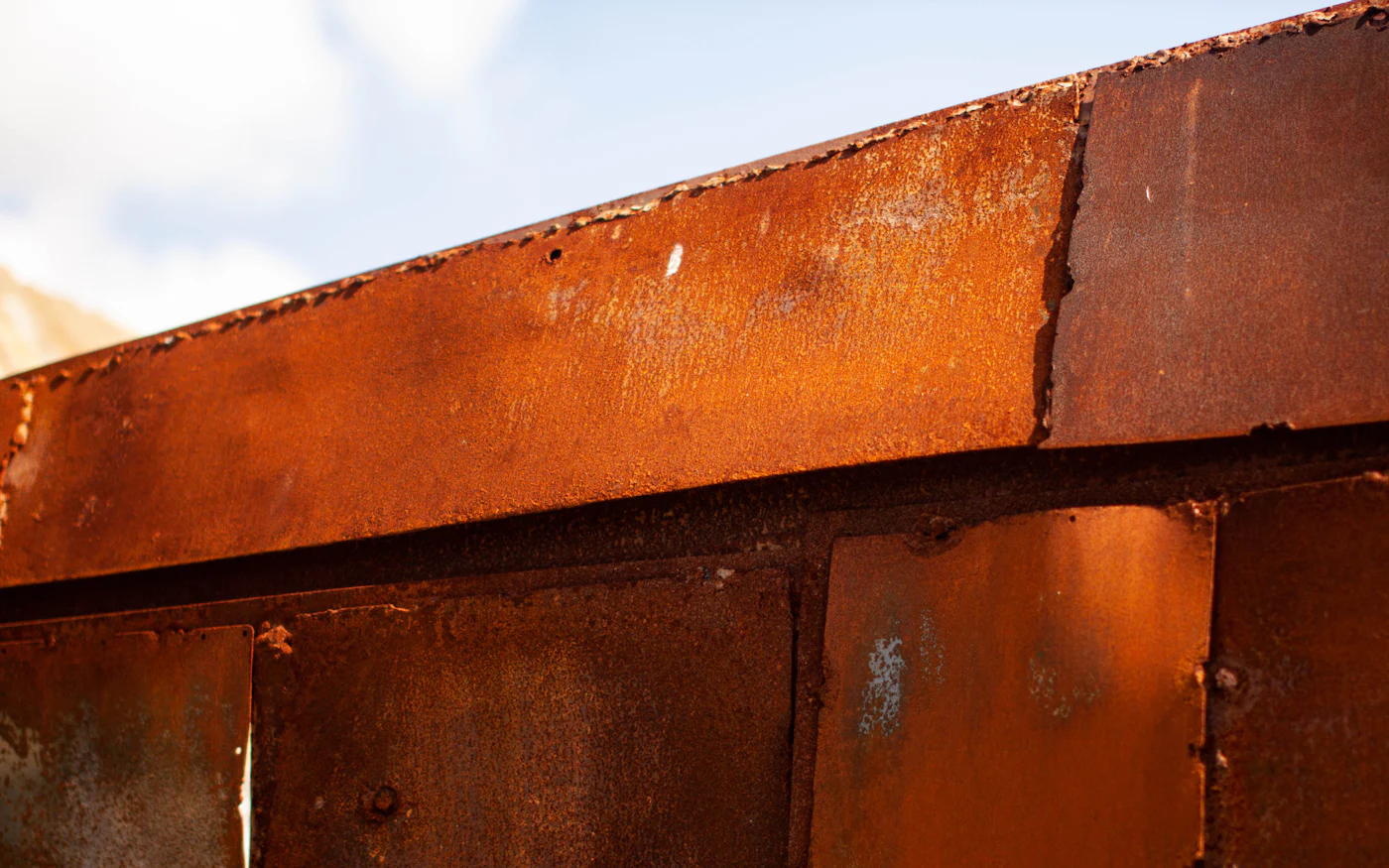
Lintel Work on Occupied Buildings
Lintels are replaced from outside, so residents can stay home while we work.
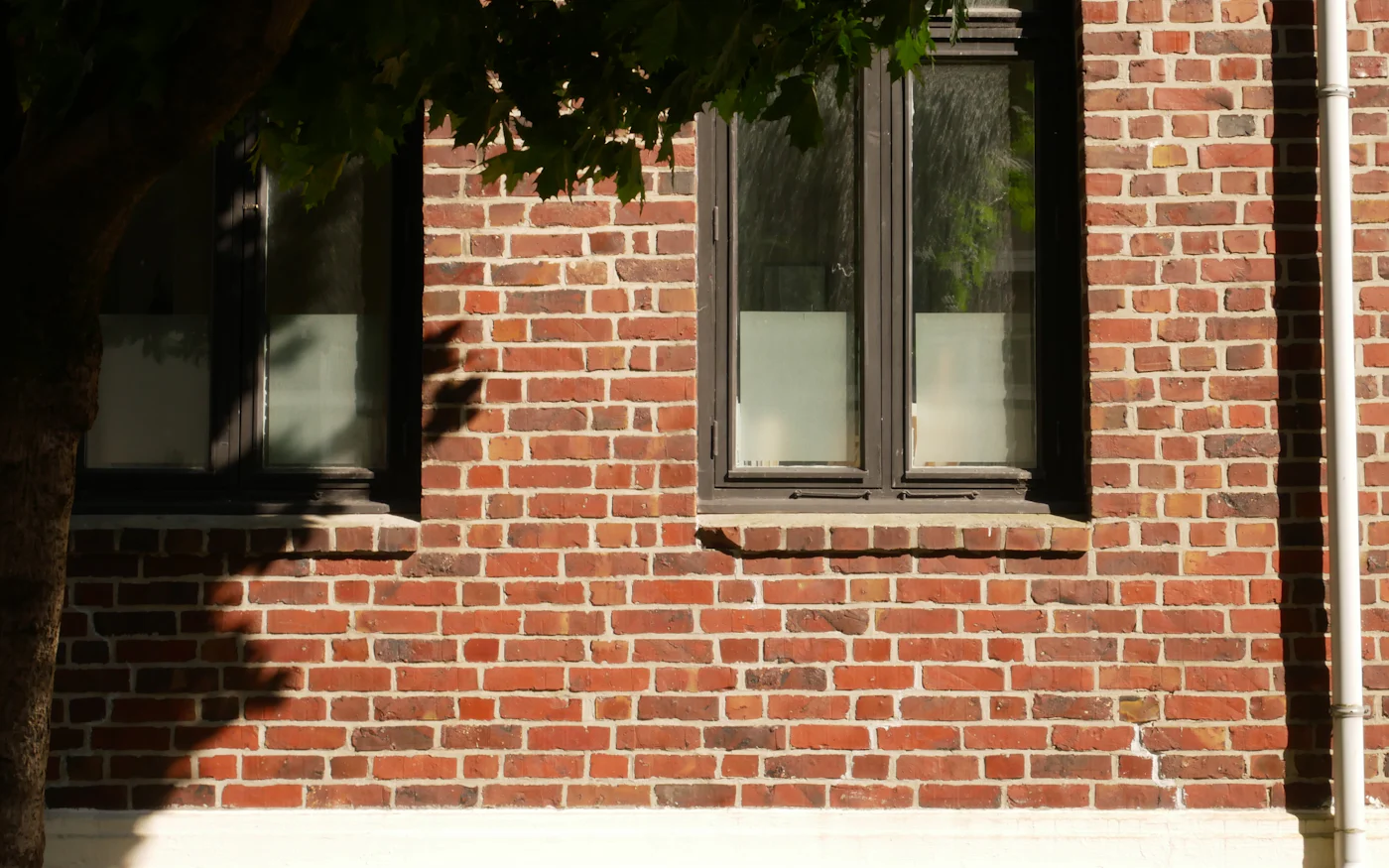
Windows Stay in Place
In most cases the window stays in and is protected while the lintel above it is replaced.
Dust and Debris Control
Openings are covered from inside and outside, and debris is lowered and removed every day.
Short Exposure at Each Opening
Each opening is closed up and weather tight again as quickly as the work allows.
Steel Lintel Replacement Across NYC Boroughs
Where lintels fail most depends on how each borough’s buildings were built.

Manhattan
Prewar apartment houses in Harlem, Washington Heights and Inwood, and postwar brick buildings on the East Side with rows of steel lintels.
Brooklyn
Six-story brick buildings in Flatbush, Midwood and Sheepshead Bay, and brownstones with stone lintels backed by steel.
Queens
Cavity wall apartment buildings in Jackson Heights, Forest Hills and Rego Park where lintels and shelf angles fail together.
Bronx
Large prewar brick buildings along the Grand Concourse, in Kingsbridge and on Pelham Parkway with lintels at every window.
Masonry and Facade Repairs That Pair With Lintel Work
Lintel replacement usually goes hand in hand with these services.
Masonry Facade Repair NYC
Brick, stone, wall ties and rebuilds
Brick Pointing NYC
Repointing and tuckpointing brick joints
Facade Caulking and Sealant NYC
Sealant replacement at windows and joints
SWARMP Repairs NYC
Phased repairs before items turn Unsafe
Unsafe Facade Repair NYC
Same-day protection and make-safe work
Local Law 11 Facade Repair NYC
Repairs built straight from your FISP report
FISP Inspection NYC
QEWI access, scaffold drops and filing support
Sidewalk Shed and Scaffolding NYC
Sheds, pipe scaffolds and swing stages
Terra Cotta Repair NYC
Pinning, patching and matched replacement
Parapet Wall Repair NYC
Annual parapet observations and repairs
Balcony Repair NYC
Balcony slabs, railings and terrace guards
Cornice Repair NYC
Sheet metal, stone and terra cotta cornices
Steel Lintel Replacement NYC FAQs
Answers on rusted lintels, replacement, permits and what to expect.
What is rust jacking?
Rust jacking is the force created when steel inside a wall rusts and expands. The swelling steel lifts and cracks the brick around it, which is why rusted lintels crack window corners.
Can a rusted lintel just be painted?
Painting the exposed edge does not stop the rust inside the wall. Light surface rust can be cleaned, coated and flashed, but a lintel that has lost thickness needs to be replaced.
How long does it take to replace one steel lintel?
A single lintel is often replaced in a few days, including shoring, removal, new steel and rebuilding the brick. Many openings on one elevation are done in sequence over several weeks.
Do the windows have to come out to replace a lintel?
Usually not. The window is protected and stays in place, though some old frames are damaged by the swelling lintel and are replaced at the same time.
Is a rusted lintel an Unsafe condition under FISP?
It depends on how far it has gone. Light rust is usually SWARMP, while lintels that have lifted or loosened brick are often rated Unsafe.
What kind of steel is used for new lintels?
New lintels are usually hot-dip galvanized steel, which resists rust far better than plain painted steel. Some designs call for stainless steel in very exposed spots.
Does lintel replacement need a DOB permit?
Replacing steel lintels beyond small areas of brick generally needs a DOB work permit. Your design professional confirms the filing.
Can lintels be replaced from inside the apartment?
Lintels are almost always replaced from outside, because the steel sits behind the outer brick. Inside work is limited to protecting the window and the room.
Why do lintels rust in the first place?
Water reaches the steel through failed caulking, open mortar joints or missing flashing. Without a way for that water to drain out, the steel stays wet and rusts.
Are stone lintels repaired the same way?
Not exactly. Stone lintels can crack and may be pinned, patched or replaced in stone or cast stone. Many also have hidden steel behind them that needs the same care.
How much brick has to be removed above a lintel?
Usually only the brick needed to reach and replace the lintel, often a few courses. Shoring lets the rest of the wall stay in place.
Should every lintel on a building be replaced at once?
Not always. We inspect every opening, replace the worst lintels first and treat or monitor the rest, so the budget goes where the risk is.
Replace Rusted Lintels Before They Crack More Brick
Send us your FISP report or photos of cracked window corners. Local Law 11 NYC will survey every opening and give you a clear price per lintel.