- Licensed and insured facade contractor
- Manhattan, Brooklyn, Queens and the Bronx
- Same-day response on unsafe facades
- Call (917) 355-8556
Home/Facade Services NYC/SWARMP Repairs NYC
SWARMP Repairs NYC Before Your Facade Turns Unsafe
A SWARMP rating means your facade is safe today but needs work before the next inspection. Local Law 11 NYC turns the SWARMP list in your FISP report into a phased repair plan that fits your budget and your QEWI’s dates, so nothing slips into Unsafe, nothing triggers a $2,000 penalty and no sidewalk shed goes up. We plan SWARMP repairs for apartment buildings, co-ops, condos, office towers and mixed-use properties across Manhattan, Brooklyn, Queens and the Bronx.
- Licensed and insured contractor
- Phased plans that fit your budget
- Repairs timed to your QEWI's dates
What SWARMP Means on a FISP Report
SWARMP stands for Safe With a Repair and Maintenance Program. It is the middle rating in New York City’s Facade Inspection and Safety Program, used when a facade is safe at the time of inspection but has conditions that need repair within the five-year cycle. For each SWARMP item the QEWI projects the month and year it could become hazardous. Any SWARMP item still open at the next inspection must be reported as Unsafe, and the owner pays a $2,000 penalty.
SWARMP is the rating that gives owners the most control, because there is no sidewalk shed, no 90-day clock and no extension paperwork yet. That window closes quietly. Mortar keeps washing out, steel keeps rusting and a crack that was hairline at the inspection can open up within a few winters. SWARMP repairs in NYC work best when the items are scheduled by the dates in your report, not left for the year before the next inspection. The DOB facade inspection page explains the three ratings.
- Licensed and insured contractor
- Plans built from your QEWI report
- Itemized prices per phase
- Residential and commercial buildings
How SWARMP Conditions Turn Into Unsafe Ratings
A SWARMP item can become Unsafe in four ways under the current DOB rule, and each one starts the shed, the 90-day clock and the penalties. Knowing them is the key to planning SWARMP repairs in NYC.
| Rule | What it means for your building |
|---|---|
| The one-year rule | If a condition needs repair within one year of the inspection, the QEWI must rate it Unsafe, not SWARMP |
| The projected date | Each SWARMP item carries the QEWI’s projected month and year when it could become hazardous. Waiting past that date invites an Unsafe finding |
| Open at the next inspection | Any SWARMP item not fixed by the next cycle must be filed as Unsafe, with a $2,000 penalty |
| Repeated in two cycles | A SWARMP condition that needs repair again after being repaired the cycle before must be reported as Unsafe |
The fourth rule matters most for quick patch jobs. A cheap repair that fails within one cycle can push the same spot straight to Unsafe next time, so we repair the cause, not only the surface. If an item has already been rated Unsafe, go to our unsafe facade repair NYC page. Balcony slabs and railings are frequent SWARMP items too, and our balcony repair NYC team fixes them before they turn Unsafe.

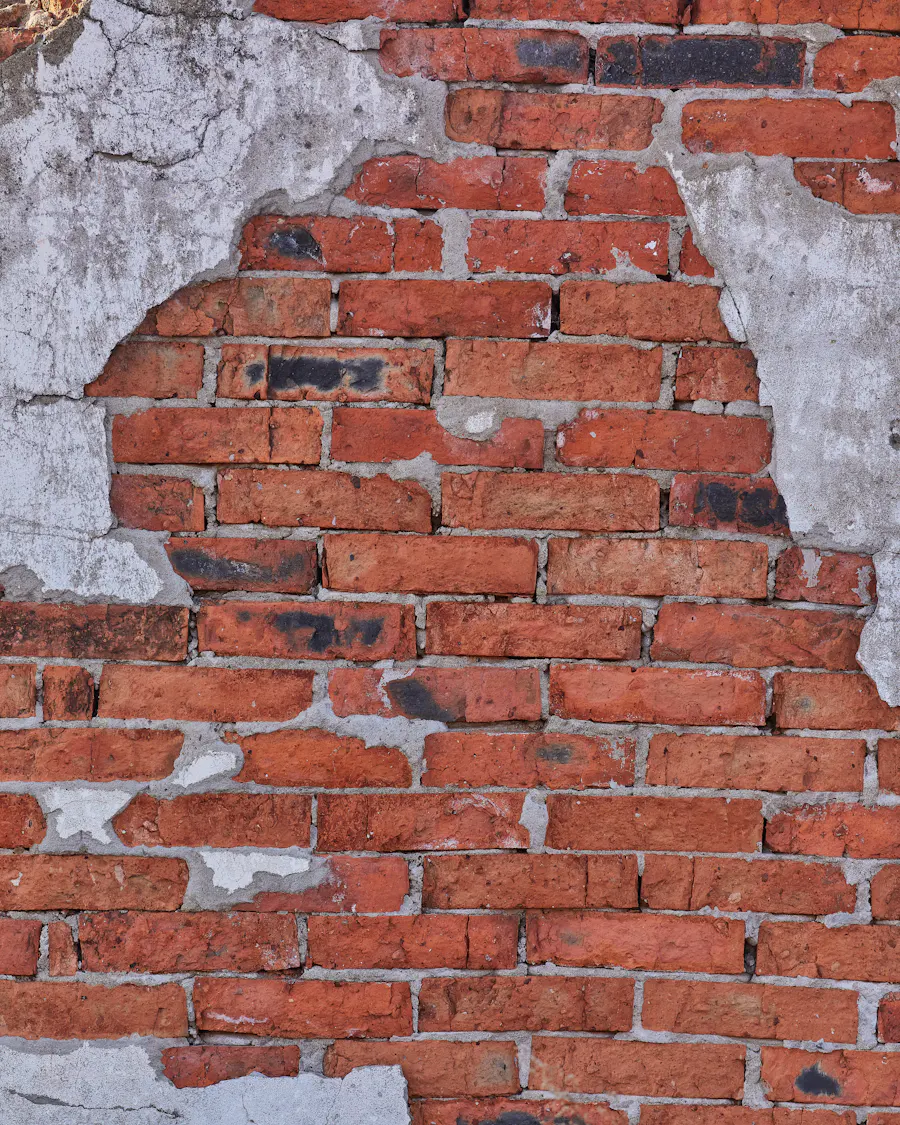
Small spalls and open joints grow with every freeze and thaw.
Typical SWARMP Items and How We Repair Them
Most SWARMP lists in NYC repeat the same items, and nearly all of them are cheaper to fix as SWARMP than as Unsafe. These are the ones we repair most often.

Most stone, terra cotta and structural steel repairs need a DOB work permit even at the SWARMP stage, so we include permit time in every plan.
| SWARMP item | Why it gets worse | Our repair |
|---|---|---|
| Eroded or cracked mortar joints | Water gets behind the brick and freezes | Cut out and repoint with a matched mortar. Masonry facade repair NYC |
| Hairline cracks in brick or stone | Cracks widen with each freeze and thaw | Rout and fill, or replace the cracked units |
| Surface rust on lintels and shelf angles | Rust expands and pushes brick out of place | Expose, clean, coat and flash the steel before it cracks the wall |
| Small spalls on terra cotta or stone | Glaze loss lets water into the unit | Patch, re-glaze or pin. Terra cotta repair NYC |
| Loose coping joints and minor parapet cracks | Water enters from the top of the wall | Reset coping, rake and reseal joints. Parapet wall repair NYC |
| Aged sealant at windows and panels | Cracked sealant lets water into the wall | Cut out and replace. Facade caulking NYC |
| Rust on railings, fire escapes and balconies | Corrosion weakens connections | Clean, repair connections and coat |
| Loose or tired window unit supports | Brackets and sleeves loosen over time | Reset or replace brackets and sleeves |
How We Build a SWARMP Repair Plan
A good SWARMP repair plan in NYC starts from the dates in your FISP report, not from a guess. These are the six steps we follow.
01
List every SWARMP item with its projected date
We pull each item, its location and the month and year your QEWI projected it could turn hazardous.
02
Rank by risk and date
Items with the earliest projected dates and those over sidewalks and entrances go first.
03
Group by access
Items reachable from the same drop or the same roof are grouped so you pay for access once.
04
Price each phase
You get an itemized price per phase, so the owner or board can approve work year by year.
05
Schedule by season
Masonry and sealant work is set for warmer months, with permit time built in ahead of each phase.
06
Record every repair
Photos, locations and materials for each item go into a file your QEWI can use at the next inspection.
When the next inspection comes around, that file lets your QEWI see at a glance which SWARMP items were closed. See how we support the FISP inspection NYC itself.

Every item is mapped by location and projected date.
Spreading SWARMP Repairs Across the FISP Cycle
SWARMP repairs do not have to land in one big bill. A phased plan spreads the cost across the cycle while keeping every item ahead of its projected date. This is how a typical plan for an NYC co-op or rental building looks.
| Phase | Timing after the report | What goes in it |
|---|---|---|
| Phase 1 | First season | Items with the earliest projected dates, anything over entrances or sidewalks, and any item that can be done from the inspection drops still in place |
| Phase 2 | Second and third year | Mid-term items grouped by elevation, such as repointing, lintel coating and coping resets |
| Phase 3 | Fourth year | Remaining items, sealant replacement and a pre-inspection walkthrough with your QEWI |
| Before the next cycle | Months before your filing window | Records handed to your QEWI so the next report can close every SWARMP item |
Boards often fund Phase 1 from reserves and plan Phases 2 and 3 into the next budgets. We give you the numbers for each phase early enough to make that possible.
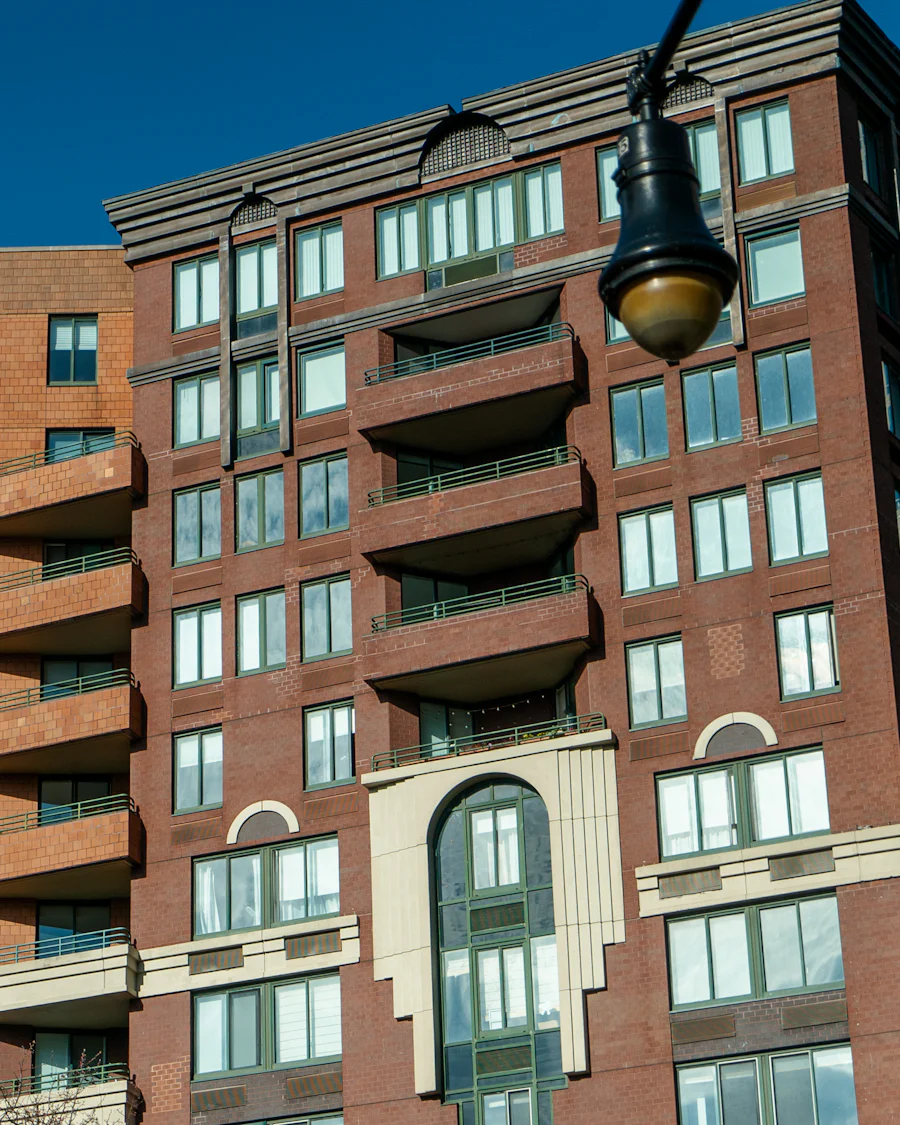
Boards can fund each phase from a separate budget year.
Why SWARMP Repairs Cost Less Than Waiting
The same crack costs very different amounts depending on whether you fix it as SWARMP or wait until it is Unsafe. The table shows what changes.
| Factor | Fixed as SWARMP | Left until it is Unsafe |
|---|---|---|
| Sidewalk shed | Usually none | Required right away, with 90-day permits |
| Deadline | Your schedule, before the next cycle | 90 days from filing, then extensions at $305 each |
| DOB penalties | None | $2,000 for the old SWARMP item, then $1,000 a month if repairs run late |
| Shed penalties | None | Possible $5,000 to $20,000 milestone penalties under Local Law 51 |
| Tenant impact | Planned, short work windows | Shed and urgent work on the DOB’s timeline |
| Repair size | Small, local repairs | Larger rebuilds as damage spreads |
Local Law 49 of 2025 may lead to longer gaps between inspections in future cycles. If that happens, SWARMP items will have more time to get worse between inspections, which makes repairing them on schedule even more important. For larger repair programs, see our Local Law 11 facade repair NYC page.
SWARMP Repairs Across NYC Boroughs
We plan SWARMP repairs in NYC for buildings across four boroughs, and the typical SWARMP list looks a little different in each.

Manhattan
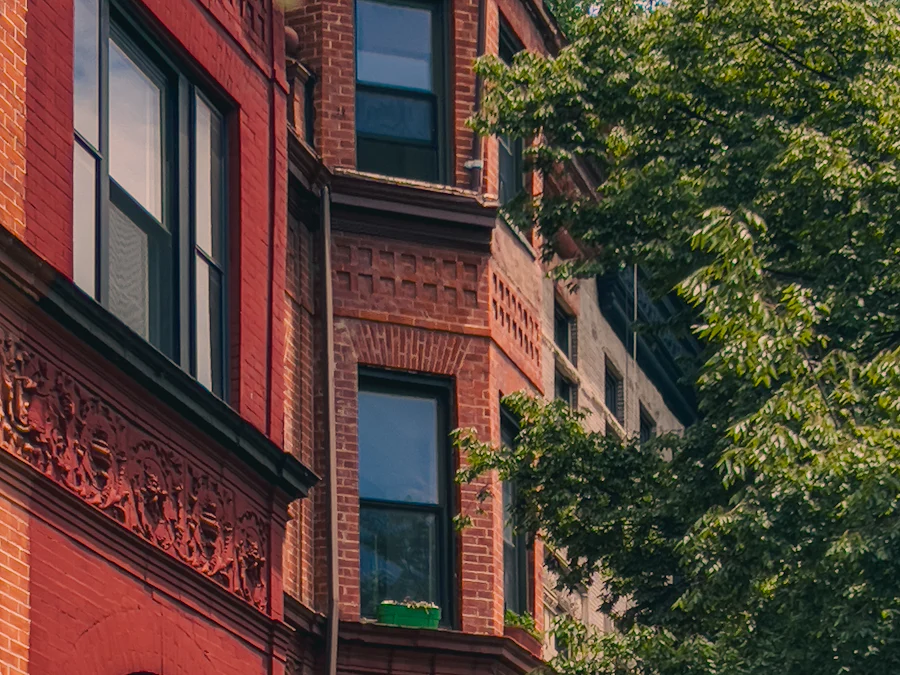
Prewar co-ops on the Upper East and Upper West Side often carry terra cotta glaze loss and cornice joints on their lists, while office towers in Midtown list aging curtain wall sealant.
Brooklyn
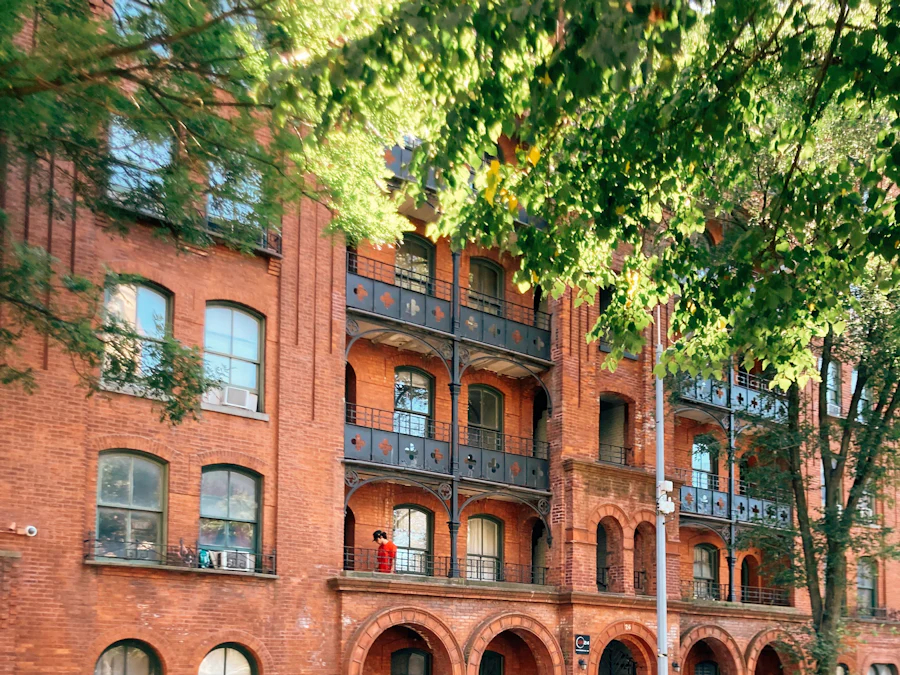
Apartment buildings in Flatbush, Crown Heights and Bay Ridge commonly show worn mortar, rusting lintels and coping joints that are perfect candidates for phased repair.
Queens
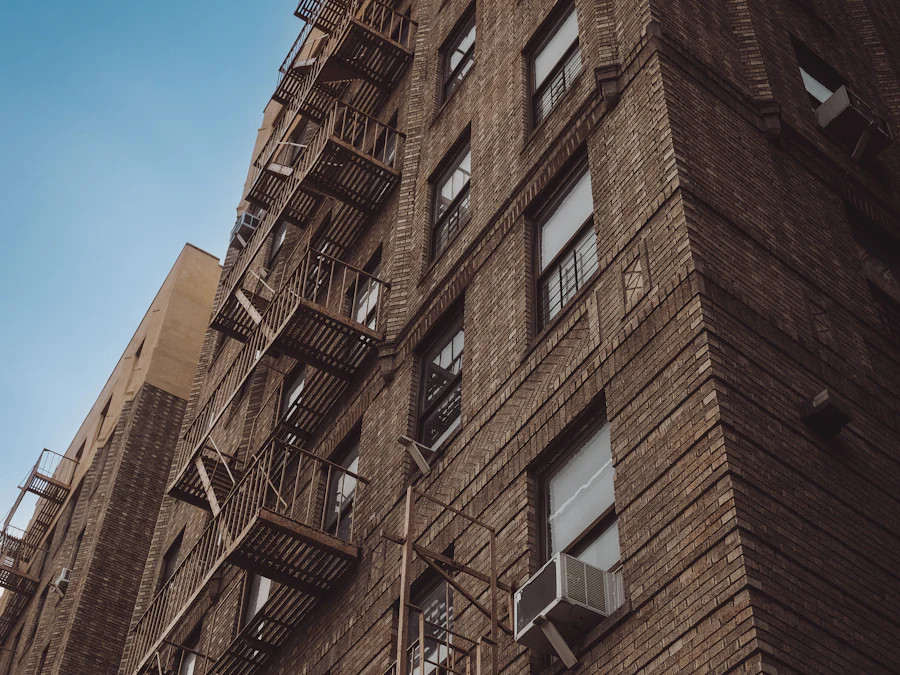
Co-ops in Forest Hills, Rego Park and Kew Gardens tend to list balcony railings, slab edges and window sealant, and Long Island City towers list panel joints.
Bronx
Large apartment houses along the Grand Concourse and in Riverdale often list fire escape corrosion, parapet cracks and brick around window openings.
A borough-aware plan lets us group similar work and keep each phase short for residents.
Facade Services Connected to SWARMP Repairs
SWARMP items usually fall into one of these specialist repairs, and each page explains the work in detail.
Steel Lintel Replacement NYC
Rusted lintels over windows and doors
Brick Pointing NYC
Repointing and tuckpointing brick joints
Balcony Repair NYC
Balcony slabs, railings and terrace guards
FISP Inspection NYC
QEWI access, scaffold drops and filing support
Local Law 11 Facade Repair NYC
Repairs built straight from your FISP report
Unsafe Facade Repair NYC
Same-day protection and make-safe work
Masonry Facade Repair NYC
Brick, stone, wall ties and rebuilds
Terra Cotta Repair NYC
Pinning, patching and matched replacement
Parapet Wall Repair NYC
Annual parapet observations and repairs
Facade Caulking and Sealant NYC
Sealant replacement at windows and joints
Sidewalk Shed and Scaffolding NYC
Sheds, pipe scaffolds and swing stages
Cornice Repair NYC
Sheet metal, stone and terra cotta cornices
SWARMP Repairs NYC FAQs
Answers on deadlines, permits, phasing and what happens at your next inspection.
Is SWARMP a passing FISP rating?
Yes. SWARMP means the facade is safe today, so the building is compliant for this cycle. The catch is that the listed items must be fixed before the next inspection.
Do SWARMP repairs need a sidewalk shed?
Usually not. A shed is only needed if the repair work itself puts people below at risk, and even then netting or a short-term shed is often enough.
When do SWARMP items have to be repaired?
Before your next FISP inspection, and ideally before the month and year your QEWI projected for each item. Items past that date are more likely to be found Unsafe.
Do I file anything with the DOB after SWARMP repairs?
No amended report is needed for SWARMP items. Your QEWI confirms the repairs at the next inspection, which is why we keep photos and records of every item.
Do SWARMP repairs need DOB permits?
Many do. Stone, terra cotta and structural steel work usually needs a DOB work permit even at the SWARMP stage, while repointing and sealant work often do not.
Can window air conditioners be rated SWARMP?
Yes. The DOB removed the rule that barred air conditioner conditions from SWARMP, so loose brackets and sleeves can now be listed for repair rather than rated Unsafe.
Can we fix only some SWARMP items now?
Yes. A phased plan is the normal approach, as long as each item is fixed before its projected date and all items are closed before the next inspection.
What if a SWARMP item gets worse before its scheduled repair?
Call your QEWI and call us. If the condition has become hazardous it may need to be reported as Unsafe with immediate protection, so we move it to the front of the plan.
Who decides whether an item is SWARMP or Unsafe?
The QEWI. Under the DOB rule, any condition that needs repair within one year of the inspection must be rated Unsafe.
Does a SWARMP building still post a certificate in the lobby?
Yes. The Exterior Wall Condition Certificate shows the building’s current status and must be posted in the lobby within 30 days of issue.
Will this cycle's SWARMP items show up on the next report?
Yes. Your next QEWI reviews the previous report and checks every listed item, so a clear repair record makes the next inspection faster.
How are SWARMP repairs priced?
By item, location and access. We price each phase separately so the owner or board can approve and fund the work over the cycle.
Close Your SWARMP List Before the Next FISP Cycle
Send us your latest FISP report and Local Law 11 NYC will turn the SWARMP list into a phased plan with clear prices and dates, so every item is fixed while it is still small.