- Licensed and insured facade contractor
- Manhattan, Brooklyn, Queens and the Bronx
- Same-day response on unsafe facades
- Call (917) 355-8556

Home/Facade Services NYC/Balcony Repair NYC
Balcony Repair NYC for Railings, Slabs and Terraces
Balconies and railings get a close look in every FISP cycle, and a railing that is not secure is rated Unsafe on the spot. Local Law 11 NYC repairs concrete balcony slabs, re-anchors and replaces railings and fixes terrace guards on apartment buildings, co-ops, condos and mixed-use properties across Manhattan, Brooklyn, Queens and the Bronx.
- Licensed and insured contractor
- Railings re-anchored and tested
- Same-day protection on unsafe balconies
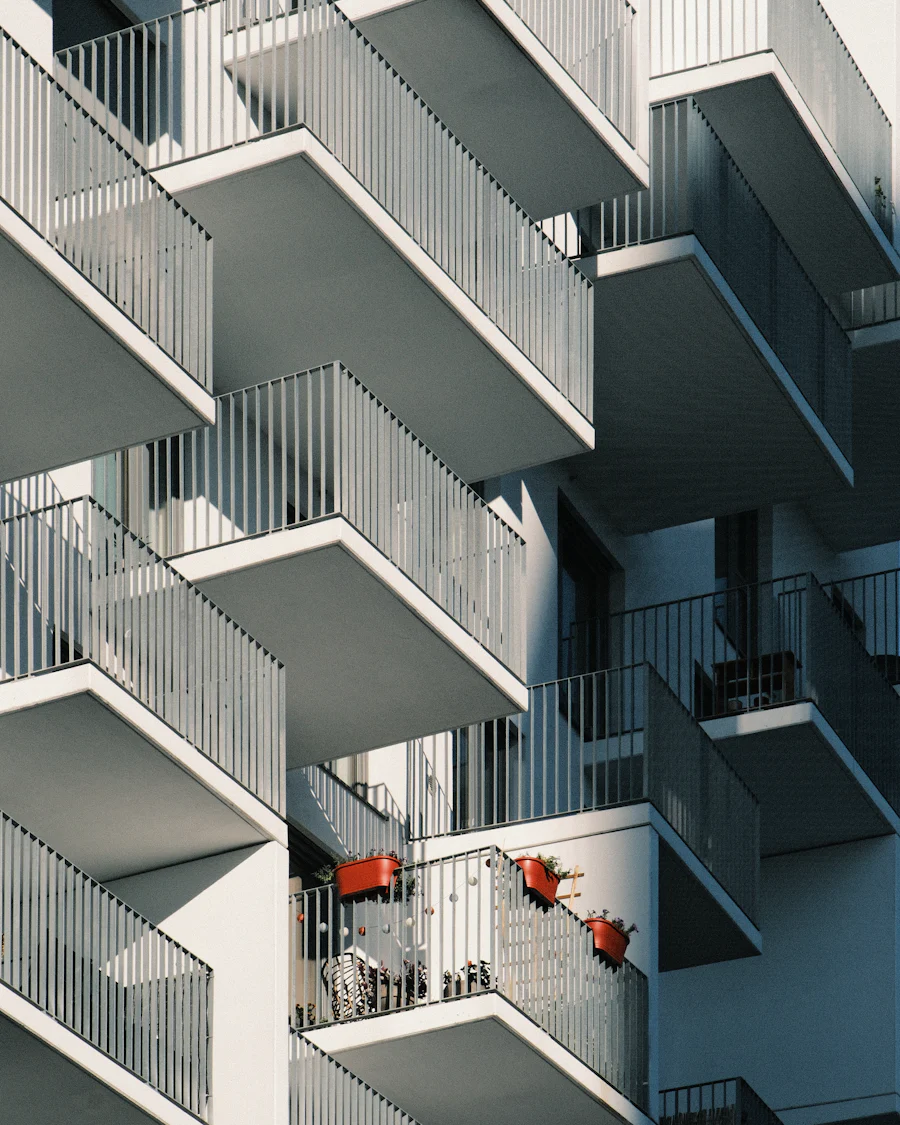
What Balcony Repair Covers on NYC Buildings
Balcony repair is the work that keeps balcony slabs, railings, guards and terrace enclosures safe and secure. On NYC buildings it usually means repairing spalled or cracked concrete, treating or replacing rusted reinforcing steel, re-anchoring loose railing posts, replacing failed railings and sealing the joint where the balcony meets the wall. Under FISP, balcony and terrace enclosures are inspected by the QEWI, and any railing that is not positively secured has to be classified as Unsafe.
A balcony hangs off the building with nothing below it, so small problems grow fast. Water gets into cracks in the slab, rusts the steel inside and pushes the concrete apart. Railing posts set into concrete rust at the base until they wobble. By the time a resident notices, the repair is often bigger than it needed to be, which is why we look at the slab, the posts and the wall joint together.
- Licensed and insured contractor
- Railings checked before sign-off
- Photo records for your QEWI
- Co-ops, condos and rentals
How FISP Treats Balconies and Railings
The city tightened balcony and railing inspections in 2013 after a fatal railing failure on the Upper East Side, and those rules are now part of every FISP inspection.
| Balcony item | What the QEWI looks at | Common result |
|---|---|---|
| Railings and guards | Whether posts and rails are positively secured and free of serious rust or cracks | A loose railing is classified Unsafe |
| Concrete slab | Spalls, cracks and exposed or rusted reinforcing steel, top and underside | SWARMP or Unsafe depending on how far it has gone |
| Slab edge and wall joint | Cracks and failed sealant where the balcony meets the facade | Usually SWARMP |
| Balcony and terrace enclosures | The stability of screens, windows or walls added to a balcony | Secured or removed when not stable |
| Terrace guards and parapets | Anchorage and condition of rooftop terrace guards | Depends on condition |
QEWIs may examine a representative sample of balconies instead of every one, so the repair scope often grows once every balcony is reached. We price the sampled conditions first and confirm the rest after a full survey, so the board sees the real number early.
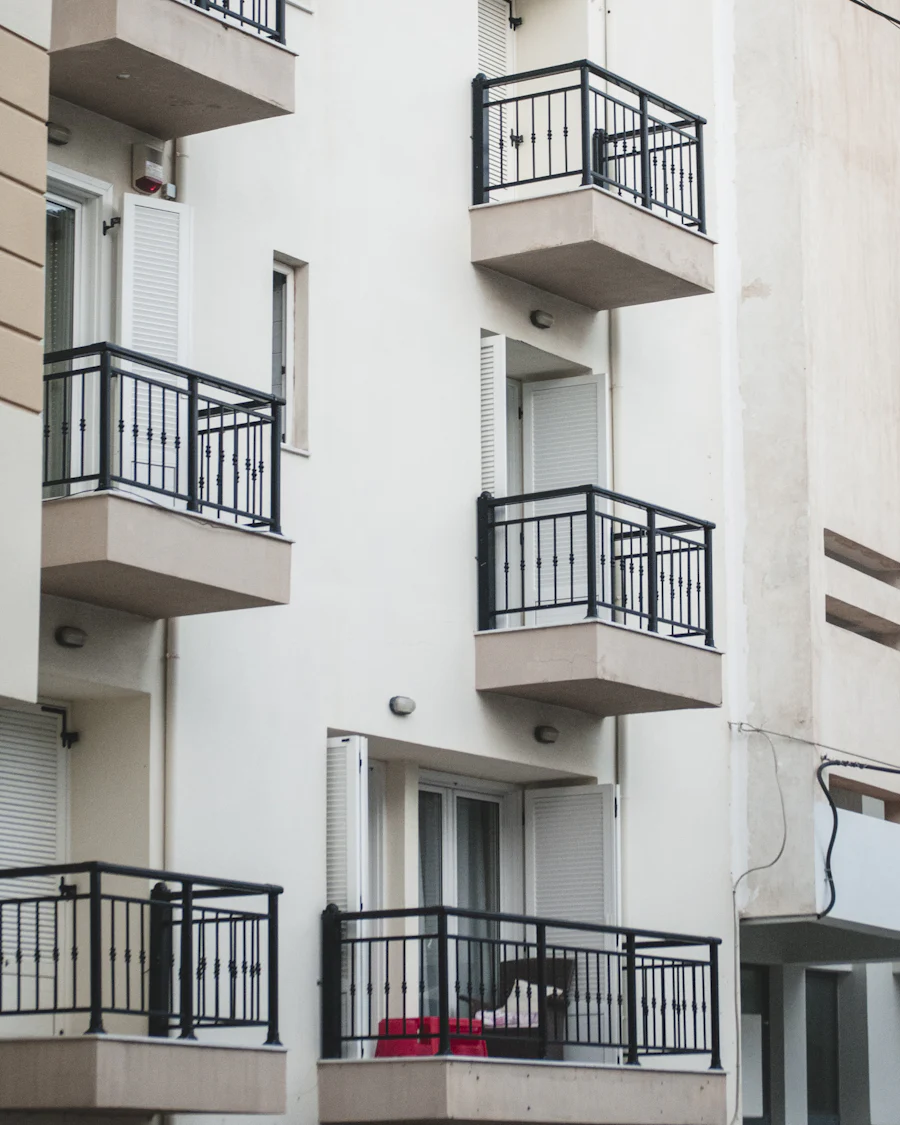
QEWIs check that every balcony railing is positively secured.
Balcony Problems We Repair Most Often
Most balcony repairs on NYC buildings come down to water, rust and time. These are the conditions we fix again and again.

Spalled Concrete Slabs
Concrete breaks away at the edge or underside of the slab as the steel inside rusts and expands.
Rusted Railing Posts
Posts set into the slab corrode at the base where water collects, until the railing moves by hand.
Loose or Missing Railings
Railings that move, have missing pickets or broken welds are an immediate fall hazard and a FISP Unsafe item.
Failed Deck Waterproofing
Worn coatings and cracked toppings let water soak into the slab every time it rains.
Cracked Slab Edges and Soffits
Cracks along the drip edge and underside let water reach the steel and drop concrete pieces below.
Rusted Steel Balcony Framing
Older buildings with steel channel or bracket balconies lose section where the steel meets the wall.
If concrete or railing pieces have already fallen, treat it as an emergency. Our unsafe facade repair NYC team can close the balconies and put up protection the same day.
How We Repair Concrete Balconies and Railings
We repair balconies in the same order every time, so the slab and the railing are both sound when we leave.
01
Survey every balcony
We check each slab, soffit, railing post and wall joint and map them by stack and floor.
02
Make unsafe railings safe
Loose railings are secured, braced or removed right away, and the balcony door is closed off when needed.
03
Remove unsound concrete
Damaged concrete is cut back to sound material and behind any rusted steel.
04
Treat or add steel
Reinforcing steel is cleaned and coated, and new bars are added where the old steel has lost section.
05
Rebuild the slab
Repair mortar is formed back to the original edge and drip profile so water drops clear of the wall.
06
Re-anchor or replace railings
Posts are reset in new anchors or grout, or new railings are installed, then each railing is checked by hand.
07
Waterproof and document
A deck coating and sealant protect the repair, and every balcony is photographed for your QEWI.

New anchors and grout give railing posts a solid base in the slab.
Balcony Railing Repair and Replacement in NYC
Railings are where balcony safety is decided, so we treat railing work as its own scope.
When a Railing Can Be Re-Anchored
If the railing itself is sound and only the posts or base plates are loose, we reset the posts in new anchors or non-shrink grout and repair the concrete around them. This keeps the original railing and is usually the fastest fix.
When a Railing Needs Replacement
Railings with rusted-through posts, broken welds, missing pickets or a weak top rail are replaced. New guards must meet current NYC Building Code height and strength rules, which for new guards generally means a height of at least 42 inches. Aluminum and galvanized steel railings are common choices because they hold up well to weather.
Permits for Railing and Slab Work
Under DOB facade filing guidance, re-anchoring existing balcony railings generally does not need a work permit, while repairing spalled concrete on balconies and installing new railings do. Your design professional confirms what applies to your building, and we handle our side of the filing.

Every railing on a stack is checked, not just the ones that look bad.
Balcony Repair Costs and How to Plan the Work
Balcony programs are priced per balcony and per item, so a clear survey keeps the numbers honest.
- Number of balconies and how many need slab work
- Railing repairs versus full railing replacement
- Access from inside units, swing stages or a lift
- Deck coatings and sealant at the wall joint
- Permits, drawings and sidewalk protection below
- Scheduling around residents and their balcony doors
Grouping balcony work by stack means one setup covers every floor, and pairing it with other items on the report saves a second mobilization. Our SWARMP repairs NYC plans do exactly that for conditions that are not yet Unsafe. When the work is above a sidewalk, we plan protection with our sidewalk shed and scaffolding NYC team.

Access and unit coordination drive most balcony repair costs.
Balcony Repairs on Occupied Buildings
Balconies belong to the people who live behind them, so we plan the work around them.
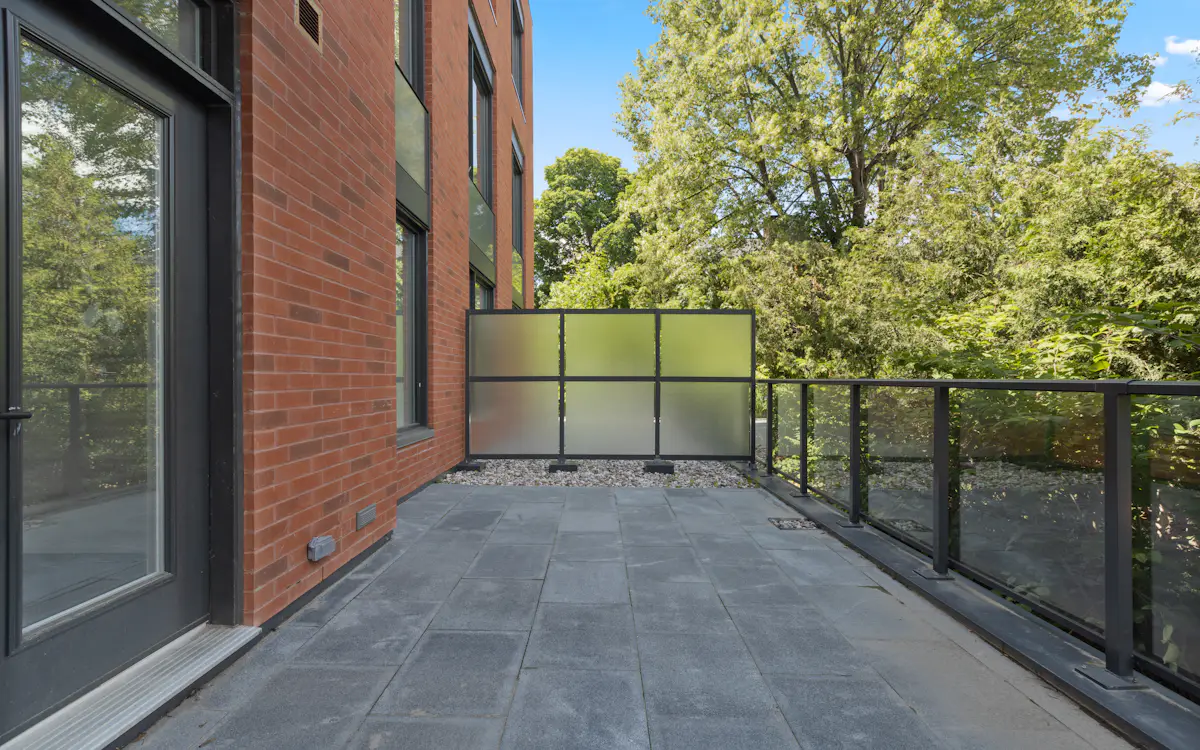
Unit Access and Notices
Residents get notice before work starts on their balcony, and visits are grouped so each unit is disturbed as little as possible.
Safe Closures
Balconies under repair are closed with locked or blocked doors until the slab and railing are signed off.
Clean Work Areas
Furniture and plants are moved with care, debris is bagged daily and coatings are applied when residents are told to expect them.
Balcony Repair Across NYC Boroughs
Balcony types change with the age and style of buildings in each borough.
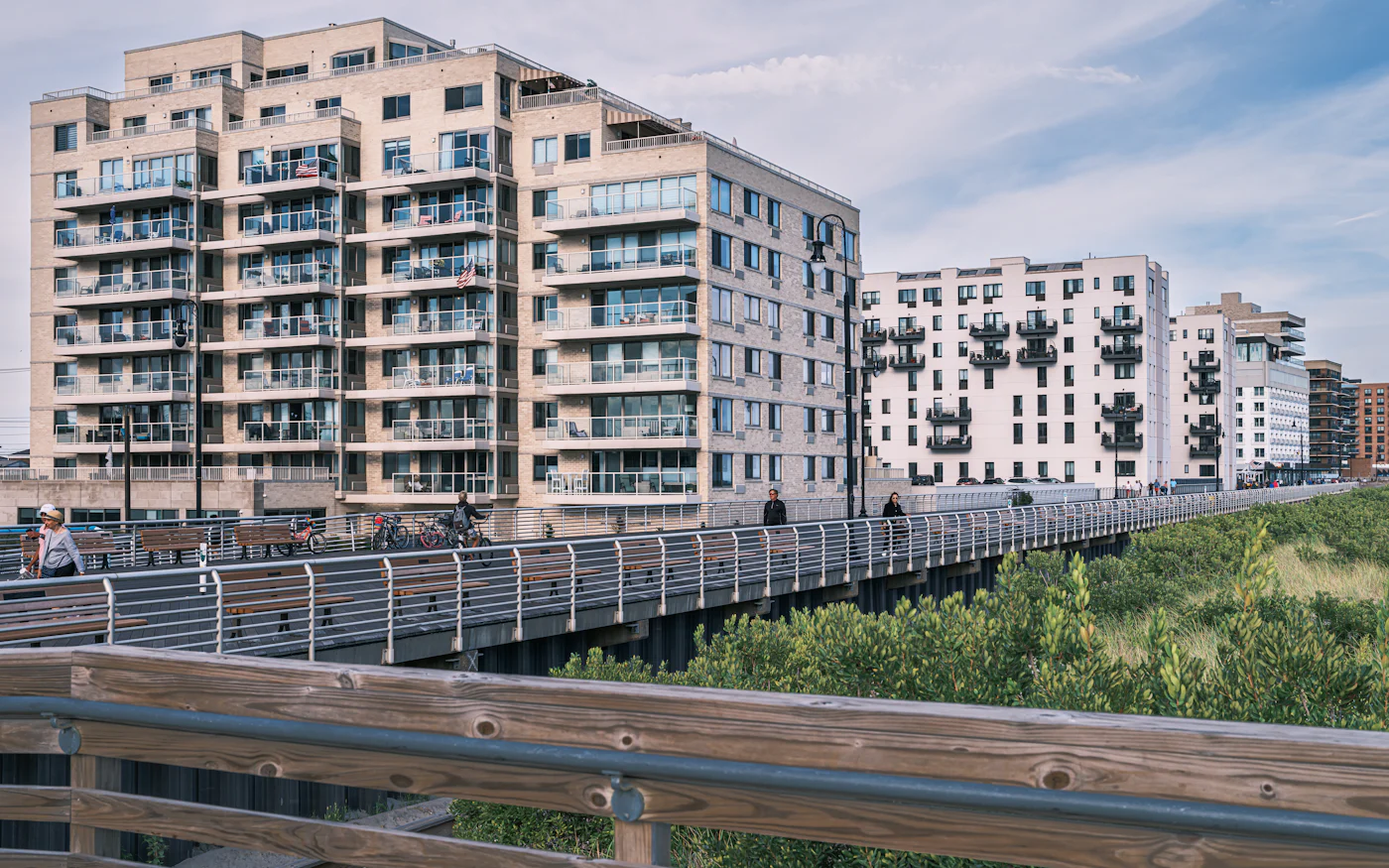
Manhattan
Postwar towers on the Upper East Side, Upper West Side and in Midtown with cantilevered concrete balconies, plus luxury condos with glass and metal railings.
Brooklyn
Co-op and rental buildings in Brighton Beach, Sheepshead Bay and Bay Ridge with exposed concrete balconies facing the weather off the water.
Queens
Garden co-ops and high-rises in Forest Hills, Rego Park, Kew Gardens and along Queens Boulevard with balconies on nearly every unit.
Bronx
Riverdale towers and large co-op complexes with long rows of balconies, many with original steel railings.
Facade Repairs Related to Balcony Work
Balcony repairs often share access and scheduling with these services.
FISP Inspection NYC
QEWI access, scaffold drops and filing support
Unsafe Facade Repair NYC
Same-day protection and make-safe work
SWARMP Repairs NYC
Phased repairs before items turn Unsafe
Facade Caulking and Sealant NYC
Sealant replacement at windows and joints
Parapet Wall Repair NYC
Annual parapet observations and repairs
Sidewalk Shed and Scaffolding NYC
Sheds, pipe scaffolds and swing stages
Local Law 11 Facade Repair NYC
Repairs built straight from your FISP report
Steel Lintel Replacement NYC
Rusted lintels over windows and doors
Masonry Facade Repair NYC
Brick, stone, wall ties and rebuilds
Terra Cotta Repair NYC
Pinning, patching and matched replacement
Cornice Repair NYC
Sheet metal, stone and terra cotta cornices
Brick Pointing NYC
Repointing and tuckpointing brick joints
Balcony Repair NYC FAQs
Answers on balcony inspections, railings, concrete repair and permits.
How often are balconies inspected in NYC?
On buildings taller than six stories, balconies, railings and terrace enclosures are examined as part of FISP every five years. Owners must still keep them safe at all times between inspections.
What makes a balcony railing Unsafe under FISP?
A railing that is not positively secured is classified as Unsafe. Severe rust at the posts, broken welds or missing parts can also lead to an Unsafe rating, which requires immediate protection and repair.
Can residents use a balcony while it is being repaired?
No. A balcony under repair is closed until the slab and railing are complete and checked. We tell residents ahead of time how long their balcony will be out of use.
Is spalled concrete under a balcony dangerous?
It can be. Pieces that loosen from the underside can fall to the balconies, yard or sidewalk below, so loose concrete is removed and the area is protected until it is repaired.
Do balcony repairs need a DOB permit?
It depends on the work. Concrete spall repair on balconies and new railings generally need a permit, while re-anchoring existing railings generally does not. Your design professional confirms the filing.
How tall does a new balcony railing need to be?
New guards generally need to be at least 42 inches high under the current NYC Building Code and must meet its strength rules. Existing railings are judged by the QEWI on whether they are secure and safe.
Can balcony repairs be done from inside the apartment?
Some can. Railing work and topside slab repairs are often done from the balcony itself, while slab edges and soffits usually need a swing stage, lift or scaffold.
Can an enclosed balcony stay enclosed?
Enclosures are inspected under FISP for stability and safety. If an enclosure is loose or unstable it must be secured or removed, and new enclosures need the right approvals.
Why do balcony railings rust at the base?
Water collects where the post enters the slab. As the steel rusts it expands, cracks the concrete around it and loosens the post, which is why we repair the slab and the post together.
Can aluminum railings replace old steel railings?
Yes. Aluminum and galvanized steel are common replacements because they resist rust. The new railing has to meet code loads and, on landmarked buildings, match the approved design.
How long does a concrete balcony repair last?
A repair that removes all unsound concrete, treats the steel and is protected with a deck coating can last for many years. Keeping the coating and wall joint sealant maintained is what makes it last.
Should balcony repairs be done before the FISP inspection?
Fixing obvious problems early is smart, but the QEWI still has to record the conditions found. We coordinate with your inspector so repairs before or after the inspection are documented the right way.
Make Your Balconies Safe Before the Next FISP Inspection
Send us your FISP report, photos of the balconies or a list of loose railings. Local Law 11 NYC will survey every balcony and give you a clear price per balcony and per item.