- Licensed and insured facade contractor
- Manhattan, Brooklyn, Queens and the Bronx
- Same-day response on unsafe facades
- Call (917) 355-8556

Home/Facade Services NYC/Cornice Repair NYC
Cornice Repair NYC for Sheet Metal, Stone and Terra Cotta Cornices
The cornice is the highest, heaviest and most exposed part of many prewar facades, and when it fails it fails over the sidewalk. Local Law 11 NYC secures, repairs, rebuilds and replaces cornices on tenements, prewar co-ops, loft buildings and mixed-use properties across Manhattan, Brooklyn, Queens and the Bronx, and documents every step for your QEWI.
- Licensed and insured contractor
- Repair first, replace only when needed
- Same-day protection on falling hazards
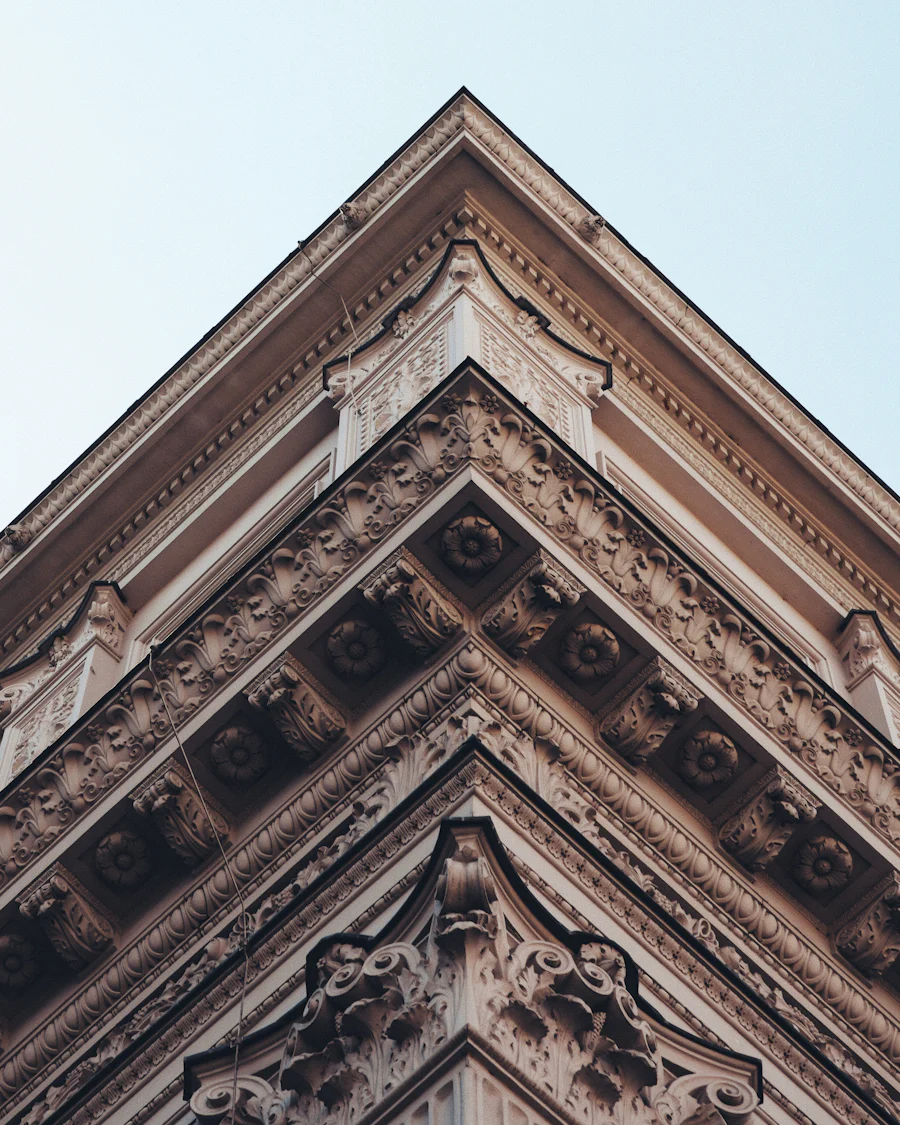
What Cornice Repair Means for NYC Buildings
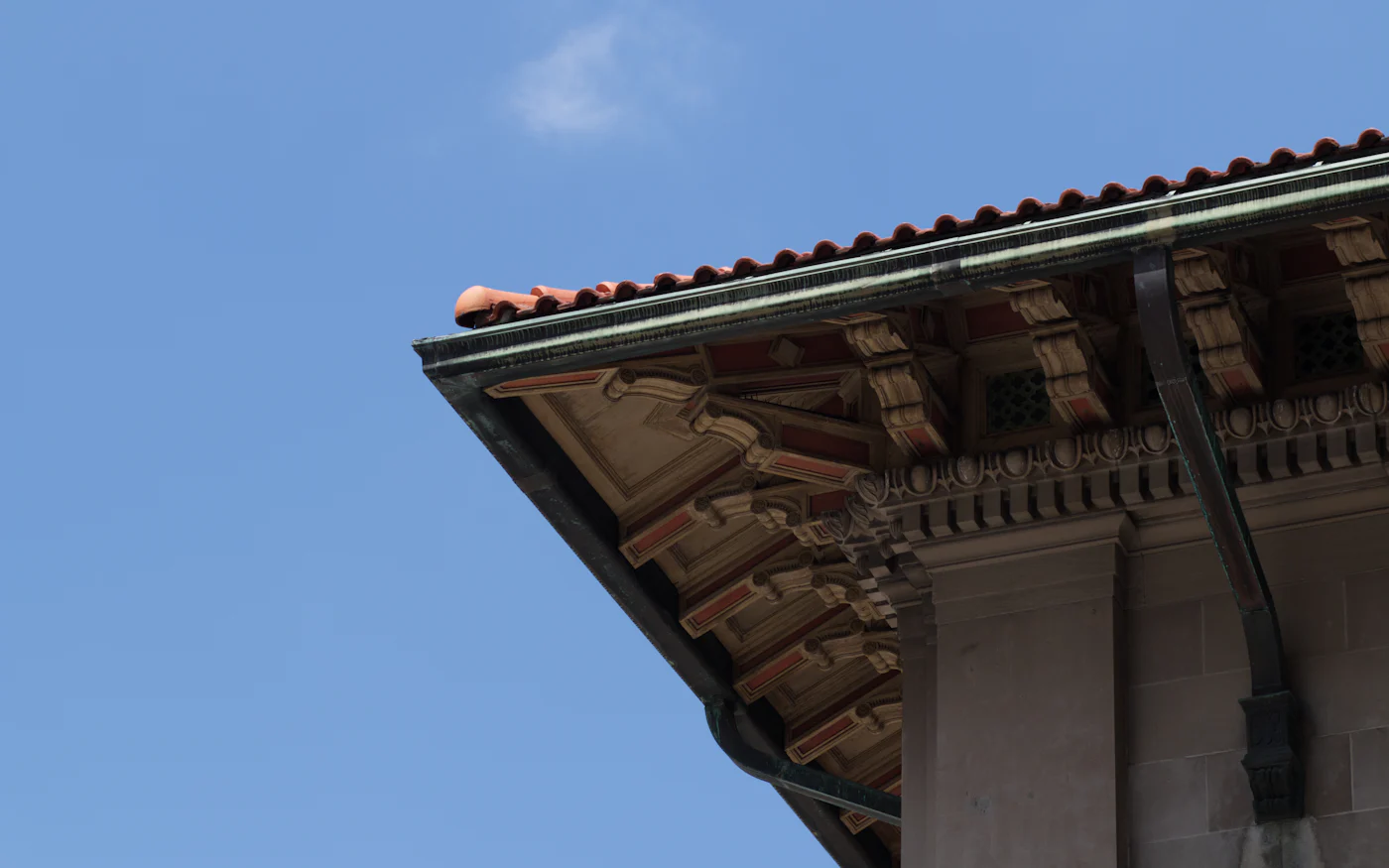
Cornice repair is the work that keeps the projecting molding at the top of a building, and sometimes at the floor lines, attached and watertight. Most NYC cornices are galvanized sheet metal over a wood or steel frame, while others are carved stone, terra cotta or cast concrete. Repairs range from patching and painting sheet metal to replacing rotted framing, re-anchoring loose sections, rebuilding brackets and modillions, or replacing the cornice with a matching copy in metal or fiberglass.
Because a cornice sticks out past the wall, water sits on top of it and runs into every open seam. Inside, the wood frame rots and the steel outriggers rust, so a cornice can look fine from the street while its supports are failing. That is why QEWIs look at cornices closely during FISP, and why a failing cornice so often becomes an Unsafe condition.
- Licensed and insured contractor
- Cornices opened and photographed
- Landmark-ready repair details
- Residential and commercial buildings
Types of Cornices on NYC Buildings
How a cornice is built decides how it fails and how it is repaired. These are the cornice types we work on most.
| Cornice type | Where you find it | How it usually fails |
|---|---|---|
| Galvanized sheet metal | Tenements, walk-ups and prewar apartment buildings | Rusted seams, open joints and a rotted wood frame behind the metal |
| Copper or zinc sheet metal | Higher-end prewar and commercial buildings | Broken solder joints and loose anchors |
| Carved stone | Banks, civic buildings and prewar co-ops | Cracked or spalled stone and rusting iron anchors |
| Terra cotta | Early twentieth century towers and loft buildings | Cracked glaze, water inside the units and rusted support steel |
| Cast concrete or GFRC | Mid-century buildings and earlier replacements | Cracked castings and failed connections |
Terra cotta cornices need their own repair methods, from pinning to new custom units. We cover that work on our terra cotta repair NYC page.
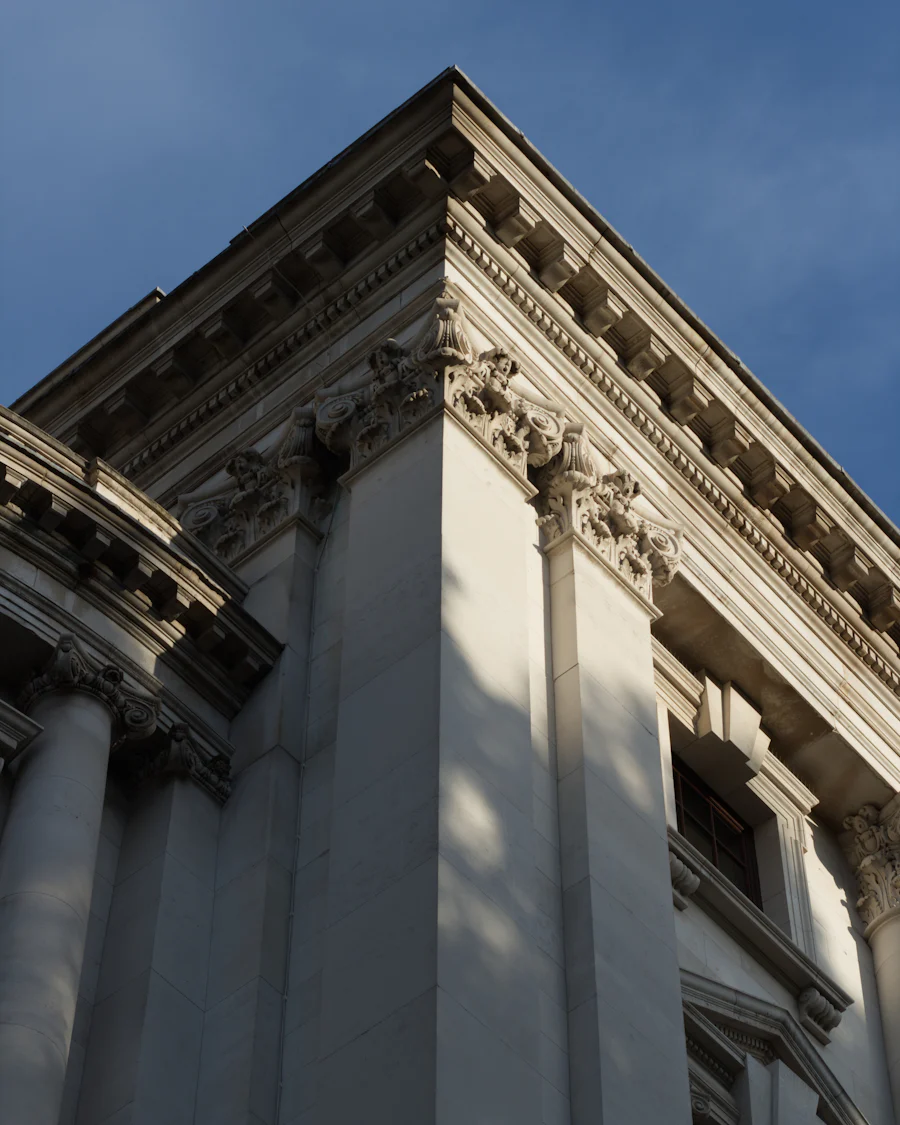
Stone cornices fail at the anchors long before the stone itself wears out.
Warning Signs of a Failing Cornice
Cornice trouble often shows from the street if you know what to look for. Any of these is worth a closer look.

Sagging or Tilting Sections
A cornice that dips or leans has usually lost support from its frame or anchors.
Rust Bleeding Through Paint
Brown streaks on sheet metal mean the steel is rusting from the inside out.
Open Seams and Missing Pieces
Gaps between sections and missing moldings let water straight into the frame.
Loose Brackets and Modillions
Decorative pieces under the cornice are often the first parts to fall.
Water Stains Below the Cornice
Staining on the brick under the cornice shows that the top flashing has failed.
Birds and Plants Inside
Nests and plants growing from the cornice mean there are openings and trapped moisture.
If any piece of a cornice has fallen, call right away. Our unsafe facade repair NYC crews can remove loose material and put up protection the same day.
How We Repair, Rebuild or Replace a Cornice
A cornice repair is only as good as the frame and anchors behind it, so we start there.
01
Protect the sidewalk
Loose pieces are removed or secured first, and sidewalk protection goes up where the condition calls for it.
02
Open and survey
Sample panels are removed so we can see the wood frame, steel outriggers and anchors behind the face.
03
Repair the frame
Rotted wood and rusted outriggers are replaced, and new anchors are set into sound masonry.
04
Restore the face
Sheet metal is patched or replaced and re-soldered, and missing ornaments are recast to match.
05
Flash the top
New cap flashing is installed and sloped so water drains off the cornice instead of into it.
06
Paint and seal
Metal is primed and painted, and seams are sealed so the finish lasts.
07
Document for your QEWI
Every section is photographed before and after, so the condition can be closed out on the report.
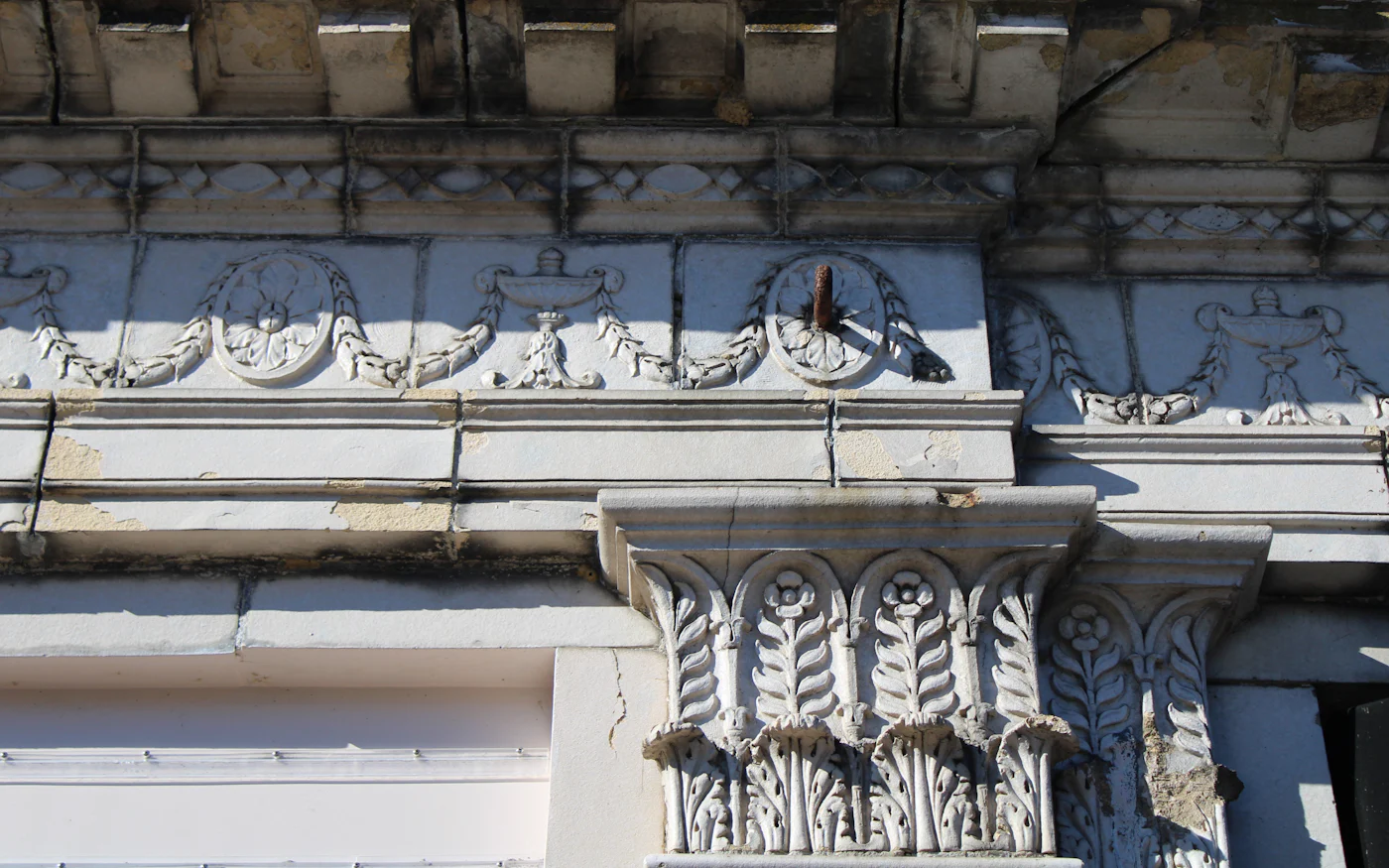
Brackets and anchors are checked one by one during a cornice survey.
Cornice Repair, Replacement or Removal
Most cornices can be saved. The right choice depends on the frame, the material and whether the building is landmarked.
When Repair Is Enough
If the frame is mostly sound, we replace only the rotted or rusted parts, patch the face and add new flashing. This keeps the original cornice and is usually the most economical option.
When Replacement Makes Sense
When the frame and face have both failed, the cornice can be replaced with new sheet metal, glass fiber reinforced concrete or fiberglass reinforced plastic. Fiberglass copies weigh far less than stone or terra cotta and, from the street, look the same as the original.
Why Removal Is a Last Resort
Taking a cornice off changes how the whole building looks and can leave a bare parapet that needs its own repairs. On landmarked buildings and in historic districts, removal or replacement needs Landmarks Preservation Commission approval, and the Commission generally expects a new cornice to match the original closely.
Permits for Cornice Work
Under DOB facade filing guidance, small patches to a sheet metal cornice generally do not need a work permit, while repairing its structural supports or installing a new sheet metal or GFRC cornice does. Your design professional confirms the filing for your building.
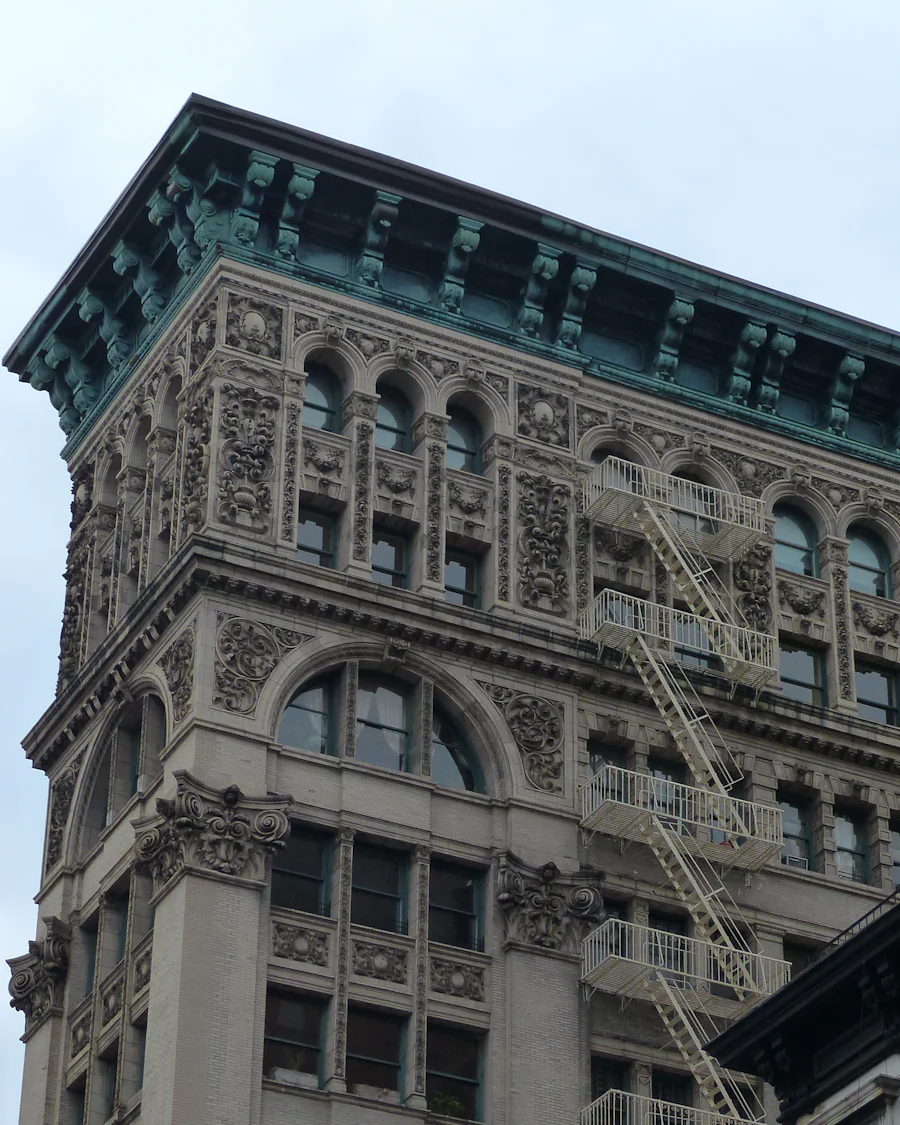
A cornice is often the defining feature of a prewar facade.
Cornice Repairs on Landmarked and Historic Buildings
Many of the city’s best cornices sit on buildings in historic districts, where looks matter as much as safety.
Work on a landmarked cornice starts with documenting what is there. We measure profiles, photograph every bracket and modillion and save sound pieces as patterns for new castings. When the Landmarks Preservation Commission reviews the work, those records make it easier to show that the repair or replacement matches the original.
The Commission prefers matching materials but has approved lighter materials when the new cornice is a close visual copy. We prepare shop drawings and samples so your architect can submit them with the application.
Cornices often sit right in front of the parapet, so we plan both together. See our parapet wall repair NYC page for the parapet side of the work.
What Affects Cornice Repair Costs in NYC
Cornice pricing depends on what we find behind the face, so a survey comes before a final number.

- Length and projection of the cornice
- Material, from sheet metal to stone
- Condition of the frame, outriggers and anchors
- Number of brackets and ornaments to recast
- Access from the roof, a swing stage or a scaffold
- How long sidewalk protection has to stay up
- Landmarks review and drawings
- Painting and flashing scope
Because cornice work happens over the sidewalk, protection is often the biggest variable. We plan the repair so the shed or scaffold comes down as soon as the cornice is secure, as explained on our sidewalk shed and scaffolding NYC page.
Cornice Repair Across NYC Boroughs
Every borough has its own cornice styles, and each one ages differently.
Manhattan
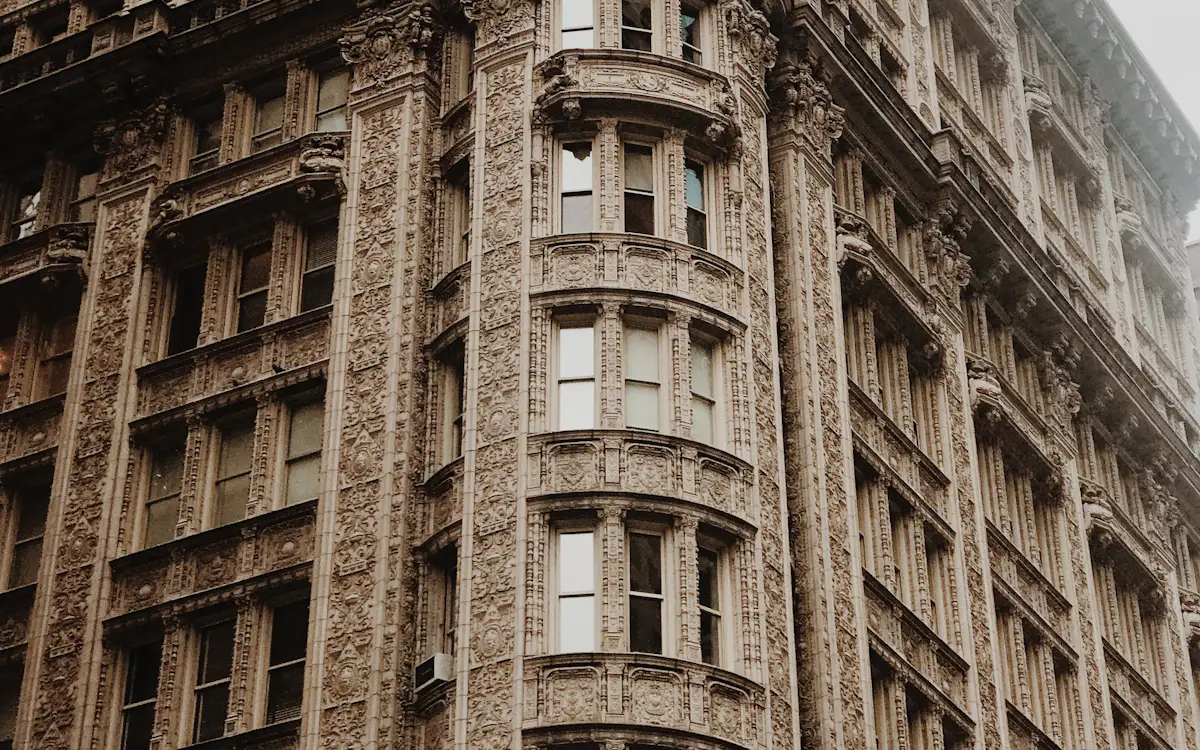
Sheet metal cornices on tenements in the Lower East Side, East Village and Harlem, stone cornices on prewar co-ops uptown and cast iron era cornices in SoHo and Tribeca.
Brooklyn
Bracketed cornices on row houses and brownstones in Park Slope, Bed-Stuy and Crown Heights, and long tenement cornices in Williamsburg and Bushwick.
Queens
Brick row houses in Ridgewood with pressed metal cornices, and prewar apartment buildings in Astoria and Jackson Heights.
Bronx
Prewar and Art Deco apartment houses along the Grand Concourse and in Mott Haven with heavy stone and metal cornices.
Facade Repairs That Go With Cornice Work
Cornice repairs usually share access with the parapet, masonry and protection work around them.
Terra Cotta Repair NYC
Pinning, patching and matched replacement
Parapet Wall Repair NYC
Annual parapet observations and repairs
Unsafe Facade Repair NYC
Same-day protection and make-safe work
Masonry Facade Repair NYC
Brick, stone, wall ties and rebuilds
Sidewalk Shed and Scaffolding NYC
Sheds, pipe scaffolds and swing stages
FISP Inspection NYC
QEWI access, scaffold drops and filing support
Local Law 11 Facade Repair NYC
Repairs built straight from your FISP report
SWARMP Repairs NYC
Phased repairs before items turn Unsafe
Facade Caulking and Sealant NYC
Sealant replacement at windows and joints
Balcony Repair NYC
Balcony slabs, railings and terrace guards
Steel Lintel Replacement NYC
Rusted lintels over windows and doors
Brick Pointing NYC
Repointing and tuckpointing brick joints
Cornice Repair NYC FAQs
Answers on cornice materials, safety, permits and landmark rules.
What are building cornices made of?
Most NYC cornices are galvanized sheet metal over a wood or steel frame. Others are carved stone, terra cotta, copper, cast concrete or, on newer replacements, fiberglass or GFRC.
Why do sheet metal cornices fail from the inside?
Water gets in through open seams and failed flashing, then rots the wood frame and rusts the steel outriggers. The metal face can look fine while the supports behind it are failing.
Is a loose cornice an Unsafe condition under FISP?
Often, yes. A cornice or bracket that could fall is a hazard to people below, so the QEWI will usually rate it Unsafe, which requires immediate protection and repair.
Can a cornice be repaired without a sidewalk shed?
Sometimes. Small repairs can be done from the roof or a swing stage with the area below controlled. When loose pieces could fall, protection over the sidewalk is needed first.
Does cornice repair need a DOB permit?
Small non-structural patches to a sheet metal cornice generally do not. Repairing the structural supports or installing a new sheet metal or GFRC cornice generally does.
Will Landmarks allow a fiberglass cornice?
The Landmarks Preservation Commission prefers matching materials but has approved lighter replacements when the new cornice is a close visual match. Each case is reviewed on its own.
How long does a cornice repair take?
A localized repair on one building can take a few weeks. A full rebuild or replacement with custom fabrication can take several months, mostly for drawings, approvals and shop work.
Can missing brackets and ornaments be recreated?
Yes. Sound pieces are used as patterns, and new brackets, modillions and moldings are fabricated in metal, cast stone or fiberglass to match.
How often should a metal cornice be painted?
Paint is what keeps sheet metal from rusting, so it should be checked and touched up between FISP cycles. Peeling paint and rust streaks are signs it is overdue.
What happens if part of a cornice falls?
The area below is closed, loose material is removed and protection goes up right away. The owner then has to repair the condition and have the QEWI file the required report.
Can a heavy cornice be replaced with something lighter?
Yes. Fiberglass reinforced plastic and GFRC replacements weigh much less than stone or terra cotta, which reduces the load on old anchors and framing.
Do cornices on low-rise buildings need attention too?
Yes. Buildings six stories or under are not part of FISP, but owners must still keep their facades safe, and old cornices on row houses and walk-ups fail the same way.
Secure Your Cornice Before It Becomes Unsafe
Send us photos of your cornice, your FISP report or a DOB notice. Local Law 11 NYC will survey the cornice, tell you whether it can be repaired and give you a clear plan for protection and timing.