- Licensed and insured facade contractor
- Manhattan, Brooklyn, Queens and the Bronx
- Same-day response on unsafe facades
- Call (917) 355-8556

Home/Facade Services NYC/Masonry Facade Repair NYC
Masonry Facade Repair NYC for Brick and Stone Buildings
Most FISP findings in New York City come back to masonry. That means cracked brick, worn mortar, rusting lintels and missing wall ties. Local Law 11 NYC repairs masonry facades the way they were built to last, with matched brick and mortar, new steel where rust has taken over and records your QEWI can sign off. Our licensed and insured masons work on apartment buildings, co-ops, condos, office towers and mixed-use properties across Manhattan, Brooklyn, Queens and the Bronx.
- Licensed and insured contractor
- Matched brick and mortar
- Same-day response on unsafe facades
What Masonry Facade Repair Means for NYC Buildings
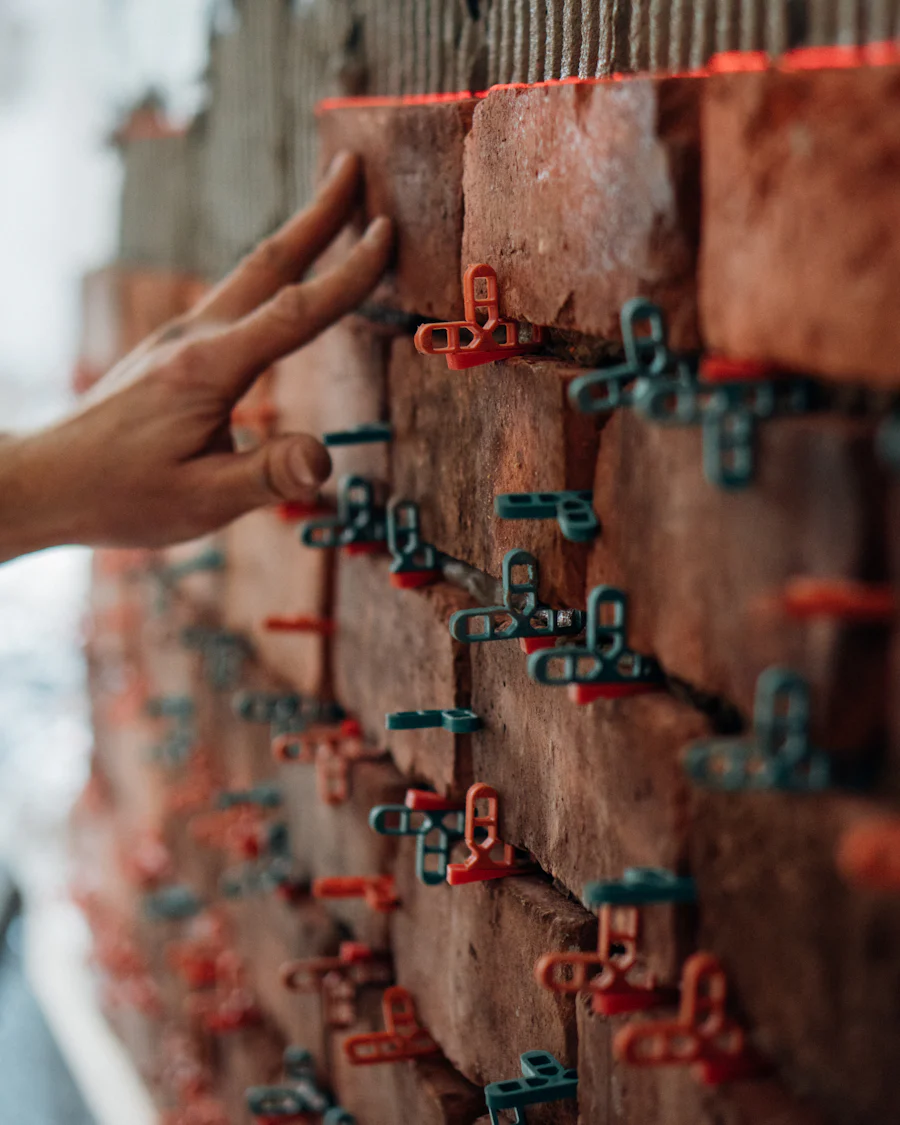
Masonry facade repair in NYC is the repair of brick, stone and block exterior walls and the steel and ties that hold them in place. It covers repointing mortar joints, replacing cracked or spalled brick, rebuilding bulging sections, replacing rusted lintels and shelf angles, and repairing missing or corroded wall ties. On buildings taller than six stories, this work is usually driven by Unsafe or SWARMP items in a FISP report under Local Law 11.
A masonry wall is a system, not just a surface. The brick sheds water, the mortar lets the wall move and breathe, the ties hold the outer layer to the backup wall and the steel carries the brick over every opening. When one part fails, the others follow, which is why a quick patch on a cracked corner rarely lasts a full cycle. We find the cause behind each crack before we repair it, so the same spot does not come back on your next report. Two of the most common masonry repairs have their own pages, brick pointing NYC for mortar joints and steel lintel replacement NYC for rusted steel over openings.
Why Masonry Facades Fail in New York City
NYC masonry facades fail for five main reasons, and each one leaves a sign a trained eye can read from the scaffold. Matching the repair to the cause is what makes masonry facade repair last.
| Cause | What you see | Lasting fix |
|---|---|---|
| Water and freeze and thaw | Crumbling joints, face spalls and loose brick near the roof and below sills | Repoint, replace spalled units and fix the flashing or coping letting water in |
| Rusting steel (rust jacking) | Stepped cracks at window corners and brick pushed out over openings | Replace or treat the lintel or shelf angle and rebuild the brick above |
| Missing or corroded wall ties | Bulging or bowing outer brick on cavity walls | Install new ties and rebuild loose sections |
| No room for movement | Long vertical cracks near corners and at shelf angles | Add or open soft joints and expansion joints, then repair cracked units |
| Mortar harder than the brick | Brick faces popping off while joints stay intact | Cut out hard mortar and repoint with a softer, compatible mix |
The last cause is the most common mistake in past repairs. Mortar is meant to be the weaker, sacrificial part of the wall. When a past contractor used a mortar stronger than the brick, the brick cracks and spalls instead of the joint.
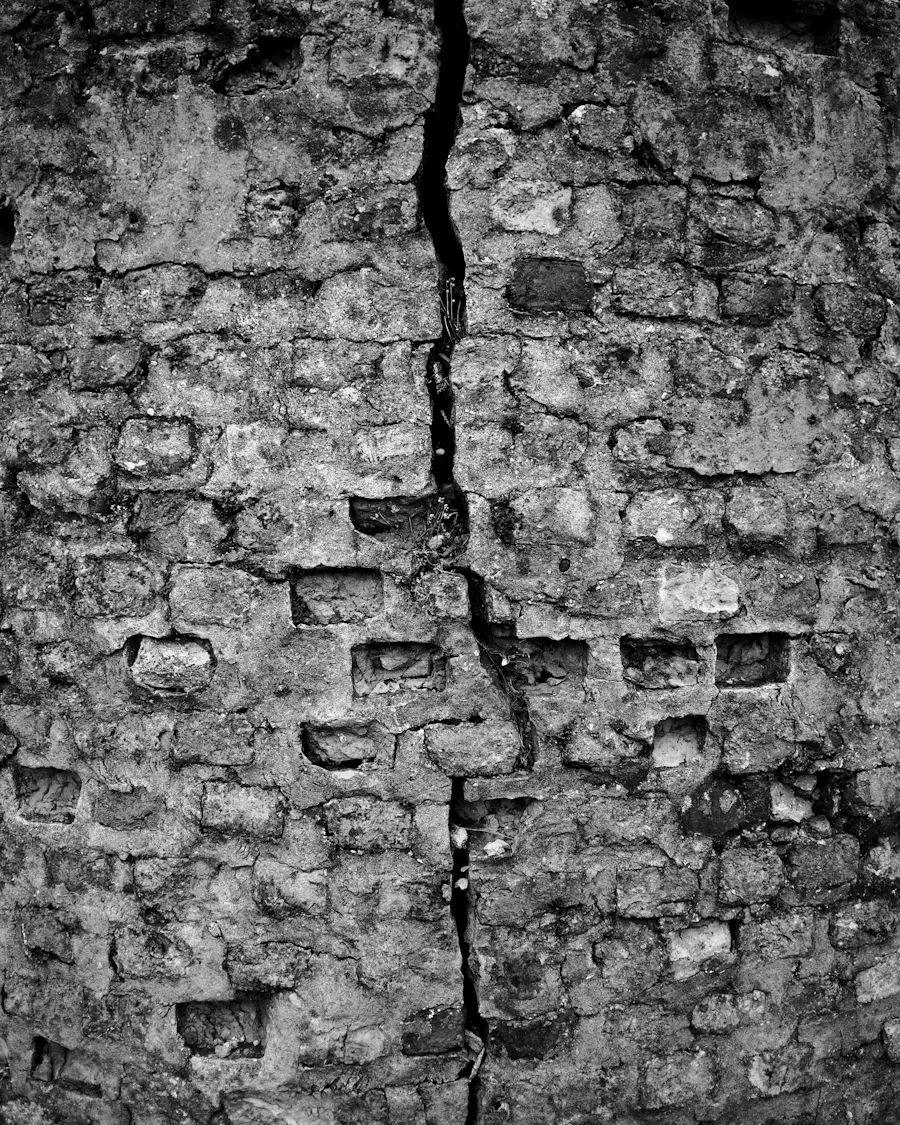
Stepped and vertical cracks point to rust, missing ties or trapped movement.
- Licensed and insured masons
- Mortar matched to every wall
- Sample panels approved before production
- Residential and commercial buildings
Masonry Facade Repairs We Perform in NYC
Every masonry facade repair we do in NYC is matched to the cause and documented for your QEWI. These are the repairs we perform most.

Brick Repointing
Failed joints are cut out to a sound depth, cleaned and repointed with a matched mortar and tooled to the original profile.
Spalled and Cracked Brick Replacement
Damaged units are cut out and replaced with brick matched for size, color and texture, toothed into the surrounding wall.
Partial Wall Rebuild
Bulging or loose sections are taken down, the backup is repaired and the face is rebuilt with new ties.
Lintel and Shelf Angle Replacement
Rusted steel is exposed, replaced or treated and coated, then flashed with weeps so water drains out, not in.
Wall Tie Repair
New helical or mechanical ties are drilled into the backup to reconnect the outer brick on cavity walls.
Crack Stitching
Stainless steel helical bars are set in bed joints to tie a cracked section back together without a full rebuild.
Expansion and Soft Joints
Missing movement joints are cut in and sealed so the wall can expand without cracking.
Limestone and Cast Stone Repair
Sills, bands and trim are patched with matched repair mortar, pinned or replaced.
Terra cotta has its own methods and records, covered on our terra cotta repair NYC page. Masonry at the roof line is covered on parapet wall repair NYC.
Repointing, Replacing or Rebuilding Brick on NYC Facades
Choosing the smallest repair that truly fixes the problem is what keeps masonry facade repair costs fair. We decide with your QEWI, using what we find when we open the wall.
| Repair level | When it fits | When it is not enough |
|---|---|---|
| Repointing | Joints are eroded or cracked but the brick is sound and the wall is flat | Brick is loose, cracked through or bulging |
| Brick replacement | Individual units are spalled or cracked in an otherwise sound wall | Many units in one area are loose or the wall has moved |
| Crack stitching | A sound wall has a crack from past movement that has stopped | The crack is still active or caused by rusting steel |
| Partial rebuild | The outer brick is bulging, detached or has lost its ties | Movement comes from the structure behind the brick, which needs engineering first |
When we open a wall and find more than the report shows, we stop, photograph it and bring in your QEWI before the scope grows. No surprise extras appear on your bill without your approval. When the brick is sound and only the joints have failed, our brick pointing NYC service covers the work in detail.
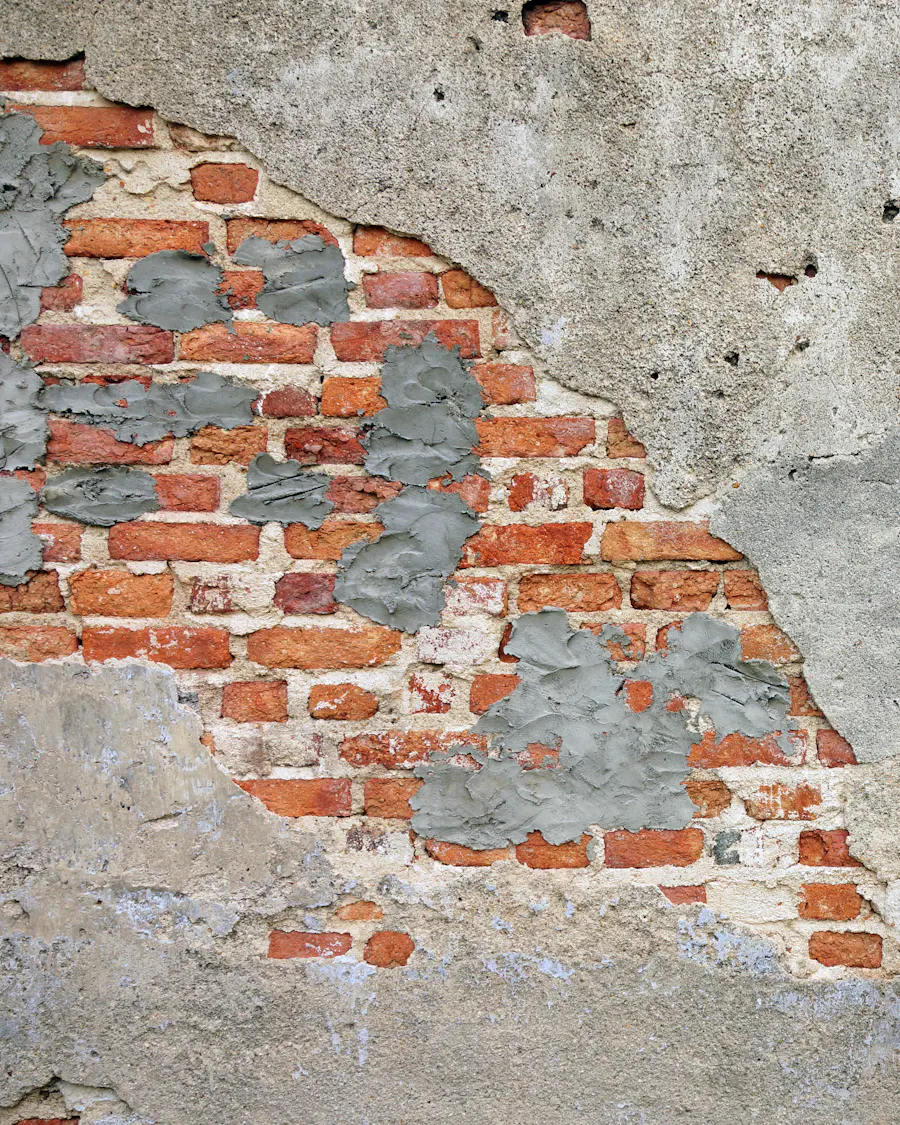
Opening the wall shows whether repointing is enough or a rebuild is needed.
Matching Brick, Stone and Mortar in Masonry Facade Repair
A repair that does not match fails twice, once in looks and once in performance. Matching is part of every masonry facade repair we do in NYC, not an extra.
Mortar
New mortar is always matched to the brick in strength, color and joint profile, so repairs blend in and the wall can still breathe. Mortar types, joint depths and the full repointing method are covered on our brick pointing NYC page.
Brick
We match replacement brick for size, color, texture and firing, using salvaged brick where possible. We set up a small sample area so you and your QEWI can approve it before the wall is repaired.
Stone and Cast Stone
Patches use repair mortars tinted and textured to the stone. Pieces too damaged to patch are pinned or replaced with matched units.
On landmarked buildings and in historic districts, the Landmarks Preservation Commission expects in-kind materials. We build sample panels and material submittals into the schedule from the start.
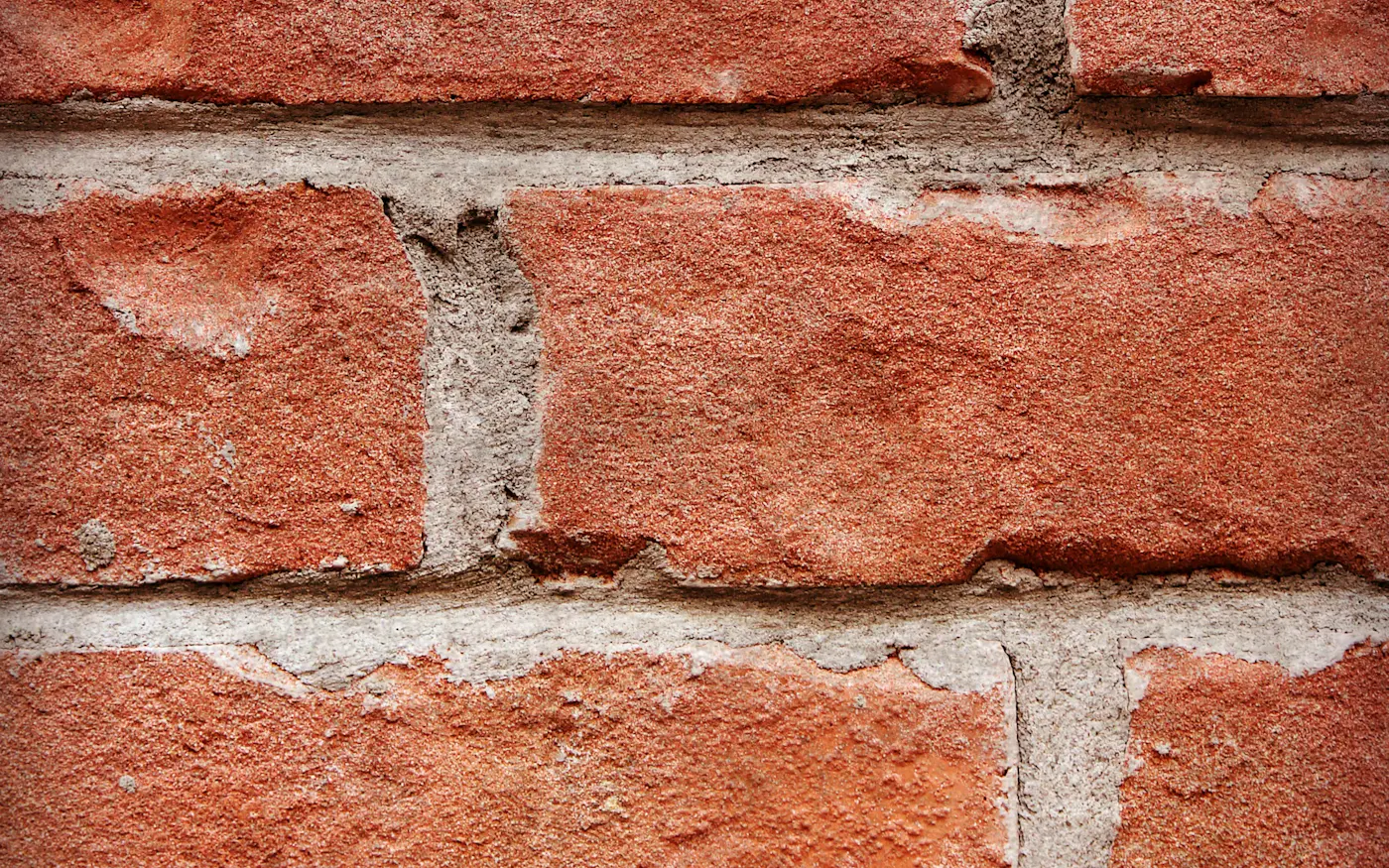
Sand color, joint width and tooling are matched to the original joints.
Cavity Walls, Wall Ties and Shelf Angles in NYC Masonry
The parts of a masonry wall you cannot see cause the biggest repairs, which is why FISP now looks behind the brick on many NYC buildings.
Cavity Walls and Ties
Many postwar NYC apartment buildings have cavity walls, an outer layer of brick tied to a backup wall with metal ties across an air space. When the ties corrode, the outer brick can bulge or detach. FISP requires at least one probe per scaffold drop on cavity wall buildings in odd-numbered cycles, and we open, photograph and close those probes for your QEWI. Where ties are missing or corroded, we install new helical or mechanical ties into the backup wall.
Lintels Over Openings
Rusted steel lintels over windows and doors crack and lift the brick around them. Because they are so common on NYC buildings, we cover shoring, new galvanized steel and flashing on our steel lintel replacement NYC page.
Shelf Angles
On many taller buildings, steel shelf angles carry the brick at each floor. Rust or a missing soft joint under the angle causes long horizontal and vertical cracks. We repair the steel and cut in a proper movement joint so the wall can move without cracking again.
Probe requirements and drop counts are covered on our FISP inspection NYC page.
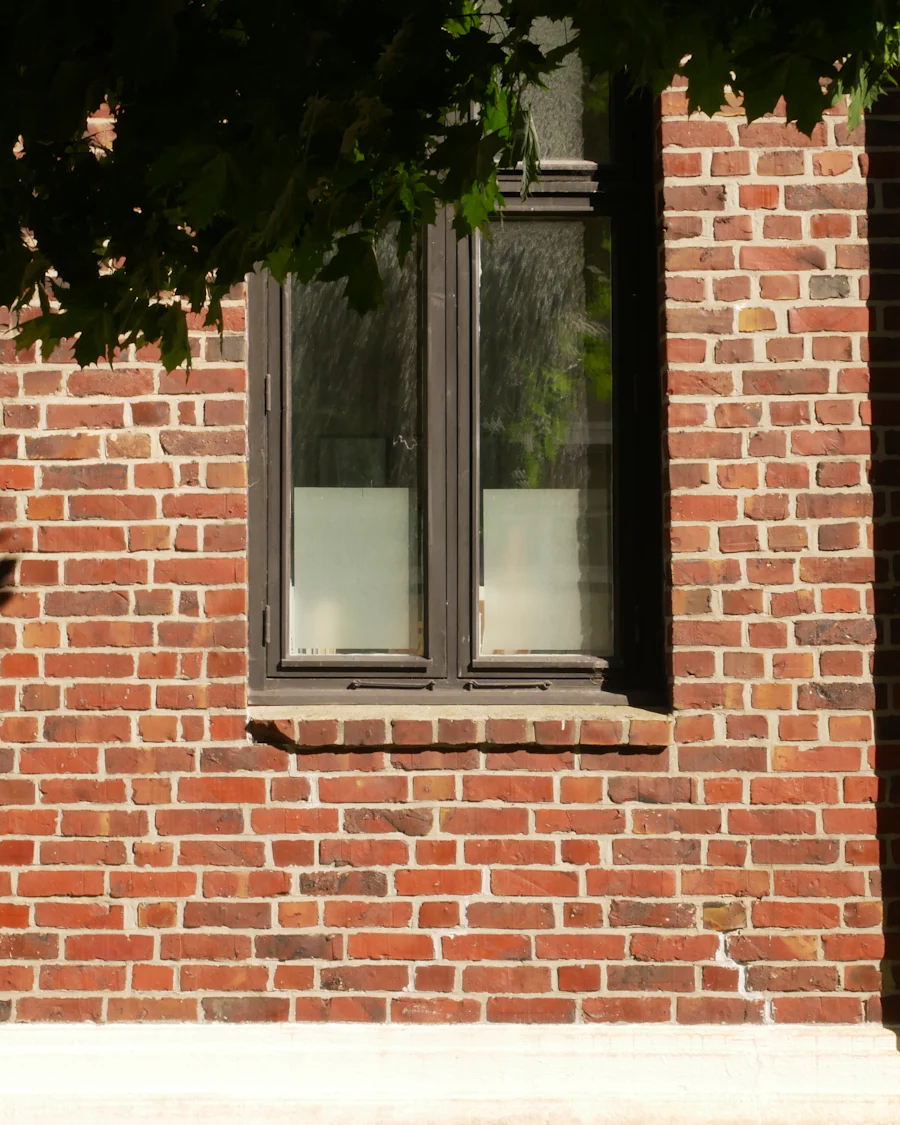
Rusting lintels crack and lift the brick at window corners.
Quality Checks on Every Masonry Facade Repair in NYC
Good masonry work is checked at every stage, not just at the end. These checks are built into every job.
Sample Areas First
A small repointing and brick sample is approved by you and your QEWI before full production starts.
QEWI Visits During the Work
Your inspector sees open walls, ties and steel before they are covered.
Cold Weather Rules
Below 40 degrees Fahrenheit, industry standards call for cold weather procedures. We heat materials, enclose the work area and protect new masonry, and we never use antifreeze additives in mortar.
Curing and Cover
New work is covered from rain and kept damp or protected as the mortar sets.
Photo and Location Log
Every repair is photographed and marked on an elevation drawing for the amended report and your next inspection.
Clean Finish
Mortar smears and debris are cleaned from the wall, windows and sidewalk before the scaffold moves.
Those records mean your QEWI can sign off quickly, whether the work came from an Unsafe item on our unsafe facade repair NYC page or a planned item from SWARMP repairs NYC.

Every unit and joint is checked before the scaffold moves.
Masonry Facade Repair Across NYC Boroughs
Each borough’s masonry tells the story of when it was built, and that shapes the repair. This is what our masons see most in each one.
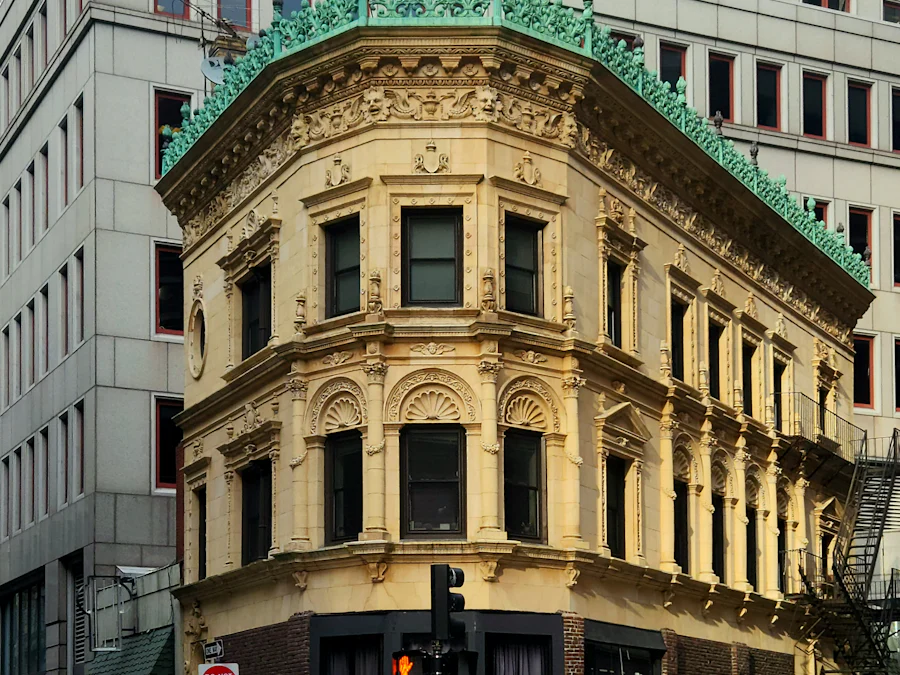
Manhattan
Prewar buildings with thick, solid brick walls and limestone or brownstone trim, where soft lime mortar and careful stone patching matter most, along with steel-framed towers that rely on shelf angles.
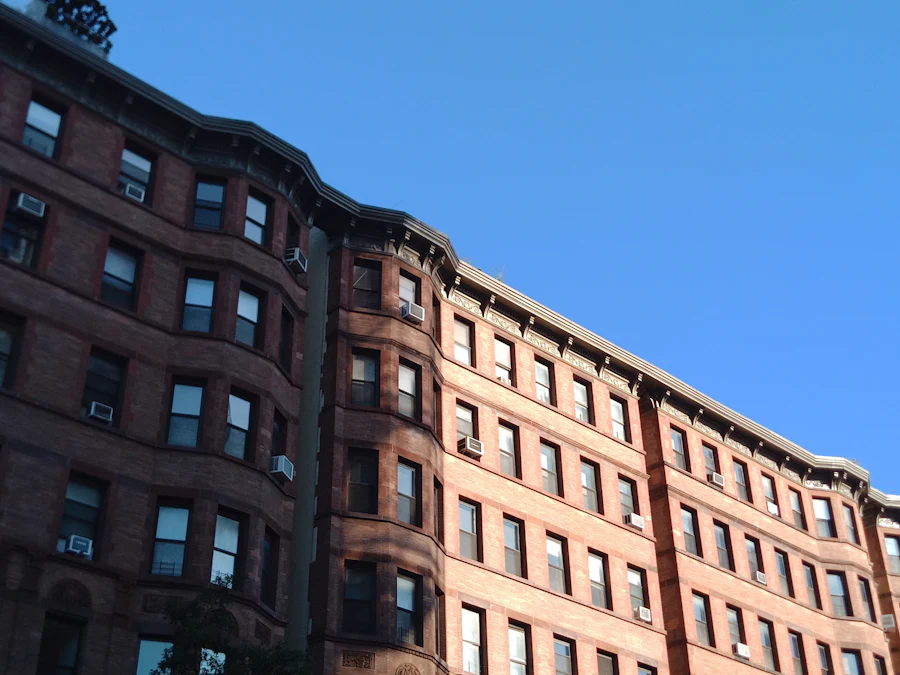
Brooklyn
Postwar cavity wall apartment buildings in Flatbush, Midwood and Bay Ridge, where tie corrosion, bulging brick and lintel rust drive most repairs.
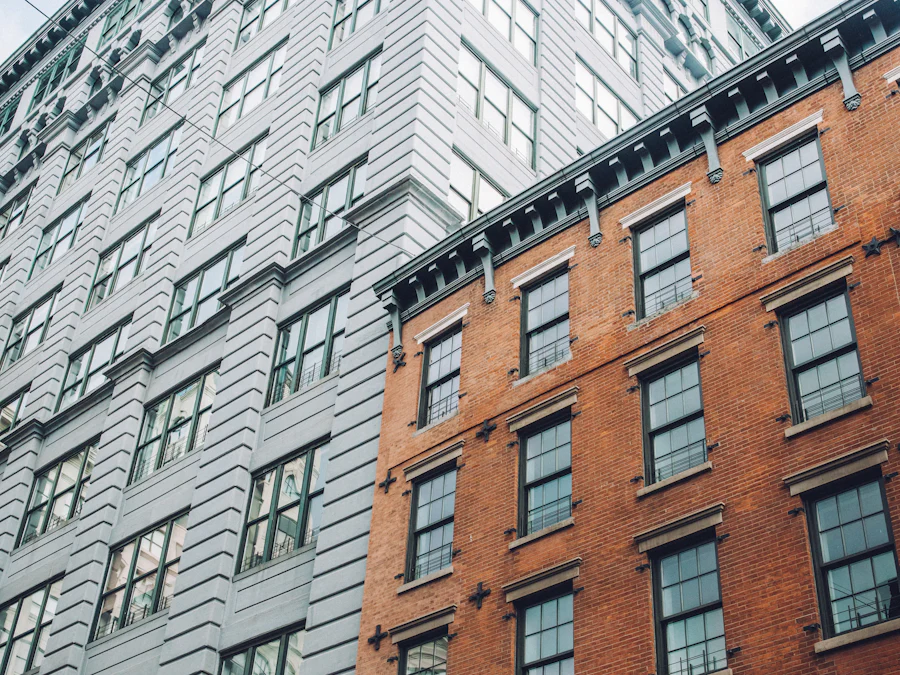
Queens
Elevator co-ops in Jackson Heights, Forest Hills and Kew Gardens with face brick, cast stone trim and balcony edges that crack the brick around them.
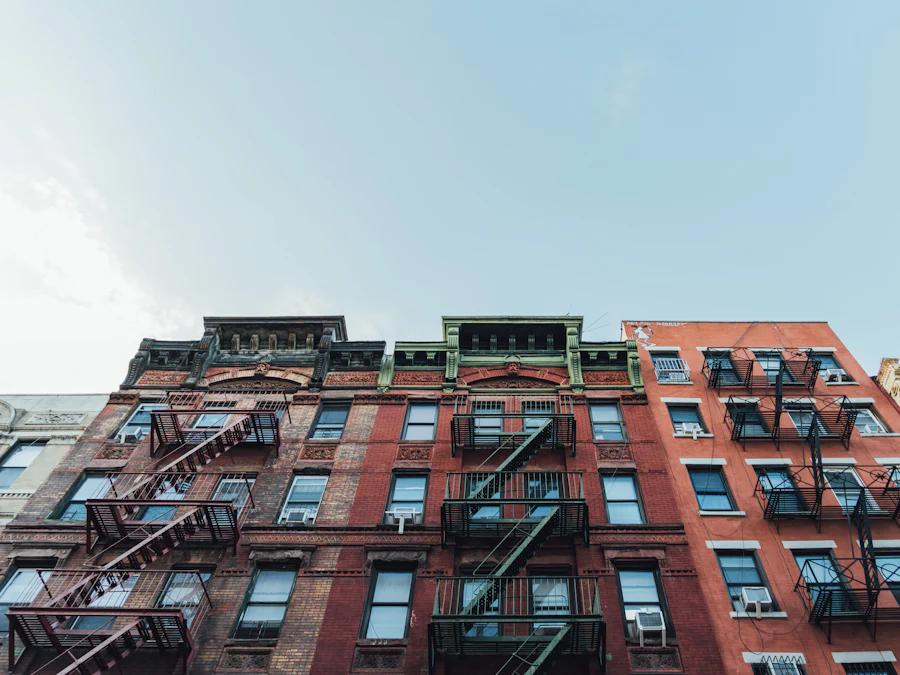
Bronx
Art Deco apartment houses on the Grand Concourse with patterned and colored brick that needs careful matching, plus large postwar buildings in Riverdale and Parkchester with long runs of lintels and shelf angles.
Wherever the building sits, our masonry facade repair in NYC follows the same rule. Find the cause, match the material and leave a record your QEWI can trust.
More Facade Repair Services in NYC
Masonry work often sits next to terra cotta, parapet and sealant repairs on the same report.
Brick Pointing NYC
Repointing and tuckpointing brick joints
Steel Lintel Replacement NYC
Rusted lintels over windows and doors
Cornice Repair NYC
Sheet metal, stone and terra cotta cornices
Terra Cotta Repair NYC
Pinning, patching and matched replacement
Parapet Wall Repair NYC
Annual parapet observations and repairs
Facade Caulking and Sealant NYC
Sealant replacement at windows and joints
SWARMP Repairs NYC
Phased repairs before items turn Unsafe
Unsafe Facade Repair NYC
Same-day protection and make-safe work
FISP Inspection NYC
QEWI access, scaffold drops and filing support
Local Law 11 Facade Repair NYC
Repairs built straight from your FISP report
Sidewalk Shed and Scaffolding NYC
Sheds, pipe scaffolds and swing stages
Balcony Repair NYC
Balcony slabs, railings and terrace guards
Masonry Facade Repair NYC FAQs
Straight answers on repointing, mortar, wall ties, lintels and how long good masonry work lasts.
Can spalled brick be repaired without replacing it?
Shallow spalls can sometimes be dressed back or patched with a color-matched restoration mortar. Brick that is soft, cracked through or deeply spalled is cut out and replaced with a matching unit.
What causes brick to bulge on NYC facades?
Bulging usually comes from corroded wall ties, rusting shelf angles or water trapped behind the outer brick. A bulge means the outer layer is losing its connection to the wall and is often rated Unsafe.
Do you repair brownstone and limestone as well as brick?
Yes. Brownstone, limestone and cast stone are repaired with matched restoration mortars, dutchman inserts, pinning or new stone, depending on how deep the damage goes.
When does a masonry wall need a rebuild instead of spot repairs?
A rebuild is needed when the outer brick has detached from its ties, has bulged over a wide area or has lost so many units that patching would not hold. Your QEWI or engineer confirms the extent.
How do I know if my building has cavity walls?
Original drawings, the building’s age and a probe opened during the FISP inspection will tell your QEWI. Many postwar brick apartment buildings in NYC have them.
What are helical wall ties?
They are stainless steel twisted anchors drilled through the outer brick into the backup wall. They reconnect the two layers of a cavity wall without taking the brick down.
Is a masonry condition usually SWARMP or Unsafe?
It depends on severity. Eroded joints and minor cracks are usually SWARMP, while loose, bulging or falling brick is Unsafe and needs immediate protection.
Is white staining on brick a problem?
That white powder is efflorescence, salt carried out by water moving through the wall. It is a sign of moisture, so we find and fix the water source before cleaning it.
How long does a masonry facade repair take?
A few areas on one elevation can take days. A full masonry program across several elevations usually takes weeks to months, depending on access, weather and how much rebuilding is needed.
Do you use salvaged brick for replacements?
When matching is hard, yes. Salvaged brick from hidden areas or matched reclaimed brick often blends better than new brick on older facades.
Does masonry repair need scaffolding on the whole building?
No. We set access only where the work is, using drops, lifts or small scaffolds, and move it as each area is finished.
Do buildings six stories or under need masonry facade repair?
They are outside FISP, but they still need safe walls. Parapets facing the street need a yearly observation, and the DOB can issue violations for any hazardous facade.
Get Masonry Facade Repair Built to Last a Full Cycle
Send us your FISP report or photos of the cracks you are seeing. Local Law 11 NYC will find the cause, match your brick and mortar and give you a clear, itemized repair plan.