- Licensed and insured facade contractor
- Manhattan, Brooklyn, Queens and the Bronx
- Same-day response on unsafe facades
- Call (917) 355-8556
Local Law 11 NYC Facade Compliance and Repair Experts
Local Law 11 NYC helps owners, boards and managers of apartment buildings, co-ops, condos, office towers and mixed-use properties move through every FISP cycle without violations. We coordinate licensed QEWI inspections, provide scaffold access, complete the facade repairs and get your building ready for a clean amended report across Manhattan, Brooklyn, Queens and the Bronx.
- Licensed and insured contractor
- QEWI-coordinated inspections
- Manhattan, Brooklyn, Queens and the Bronx
What Is Local Law 11 in NYC
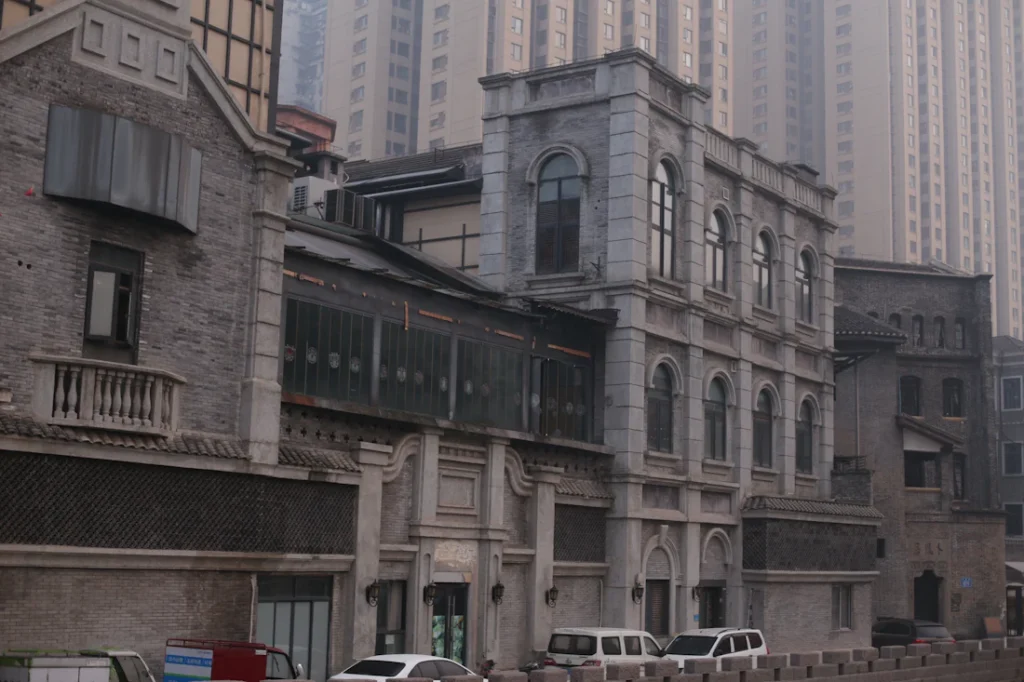
Local Law 11 is the New York City law that requires owners of buildings taller than six stories to have their exterior walls and appurtenances inspected every five years by a Qualified Exterior Wall Inspector, known as a QEWI. The inspector files a technical report with the NYC Department of Buildings that rates the facade Safe, SWARMP or Unsafe. Any unsafe condition must be repaired within 90 days of filing. The program is officially called the Facade Inspection and Safety Program, or FISP.
Appurtenances include parapets, balconies, railings, fire escapes, cornices, window air conditioner brackets and anything else attached to the outside of the building. For building owners, Local Law 11 compliance reaches well past the filing. It affects tenant access, storefront business, insurance renewals, lender reviews and the sidewalk shed that sits in front of the lobby until the work is finished. We plan the whole cycle so the facade is safe, the report is clean and the shed comes down as early as possible.
FISP Cycle 10 Deadlines by Block Number
Cycle 10 of Local Law 11 is split into three sub-cycles, and the last digit of your tax block number decides your filing window. You can find the block number on your property tax bill or by searching your address in NYC DOB BIS or ACRIS.
Sub-cycle 10A
Block number ends in
4 · 5 · 6 · 9
Filing window opensFebruary 21, 2025
Filing deadlineFebruary 21, 2027
Sub-cycle 10B
Block number ends in
0 · 7 · 8
Filing window opensFebruary 21, 2026
Filing deadlineFebruary 21, 2028
Sub-cycle 10C
Block number ends in
1 · 2 · 3
Filing window opensFebruary 21, 2027
Filing deadlineFebruary 21, 2029
Sub-cycle 10A closes on February 21, 2027. If your block number ends in 4, 5, 6 or 9 and no QEWI is booked yet, start now, because inspector and scaffold calendars fill up quickly in the final months. Buildings marked No Report Filed in Cycle 9 can request a sub-cycle override in DOB NOW Safety and file early to stop penalties from growing. See how our FISP inspection support in NYC keeps your filing on schedule.
Local Law 11 Services for NYC Building Owners
Every service below connects to one goal, a facade your QEWI can rate safe and a report the DOB accepts the first time.

We schedule the QEWI, rig the scaffold drops and gather the records your inspector needs to file on time.
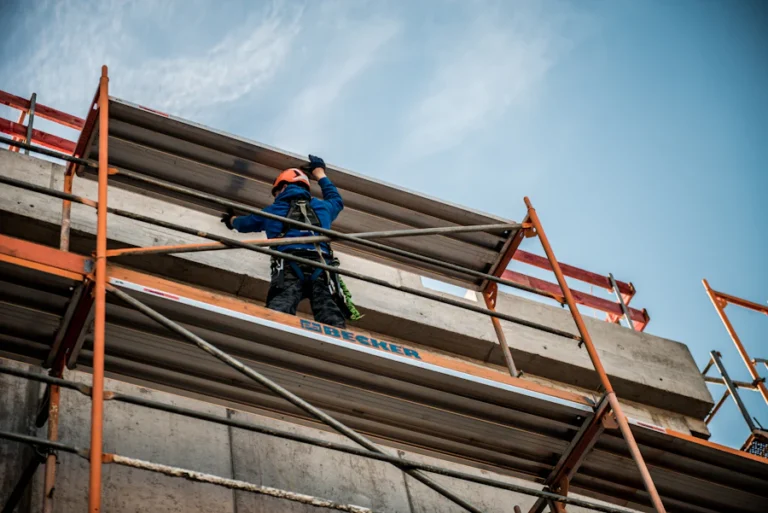
Repairs scoped straight from your technical report and finished to the standard your QEWI needs to sign off.
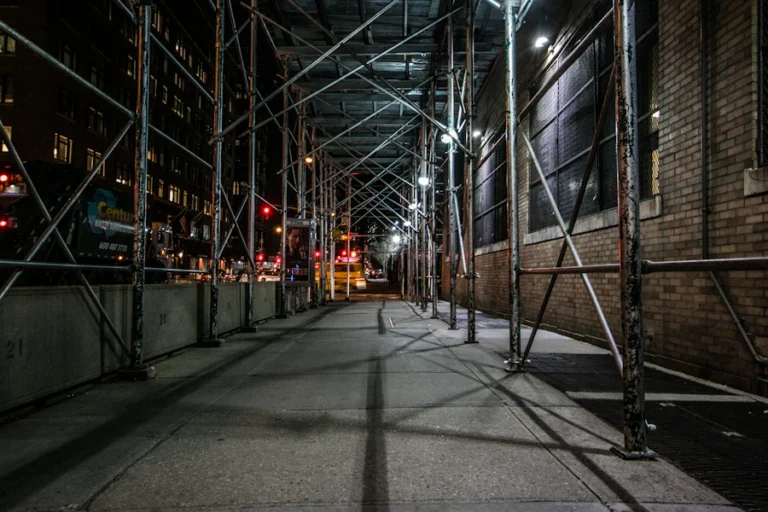
Fast public protection and repairs planned to beat the 90 day DOB clock on unsafe conditions.
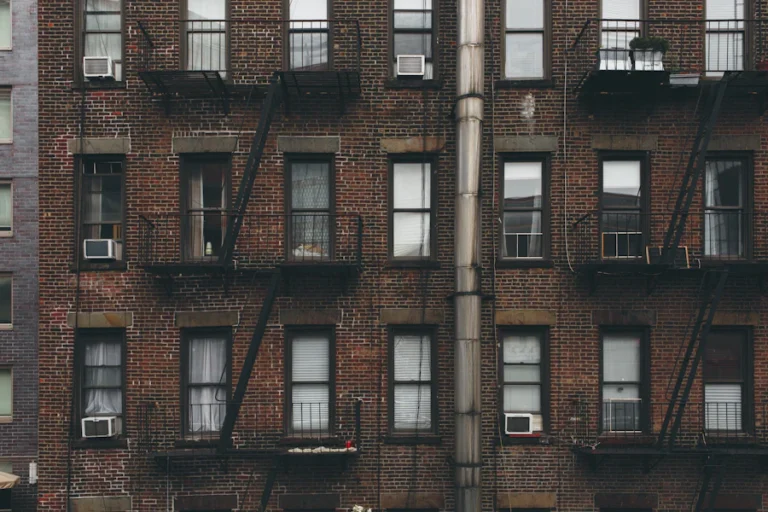
Clear SWARMP items before the next cycle so they never turn into an unsafe filing and a $2,000 penalty.
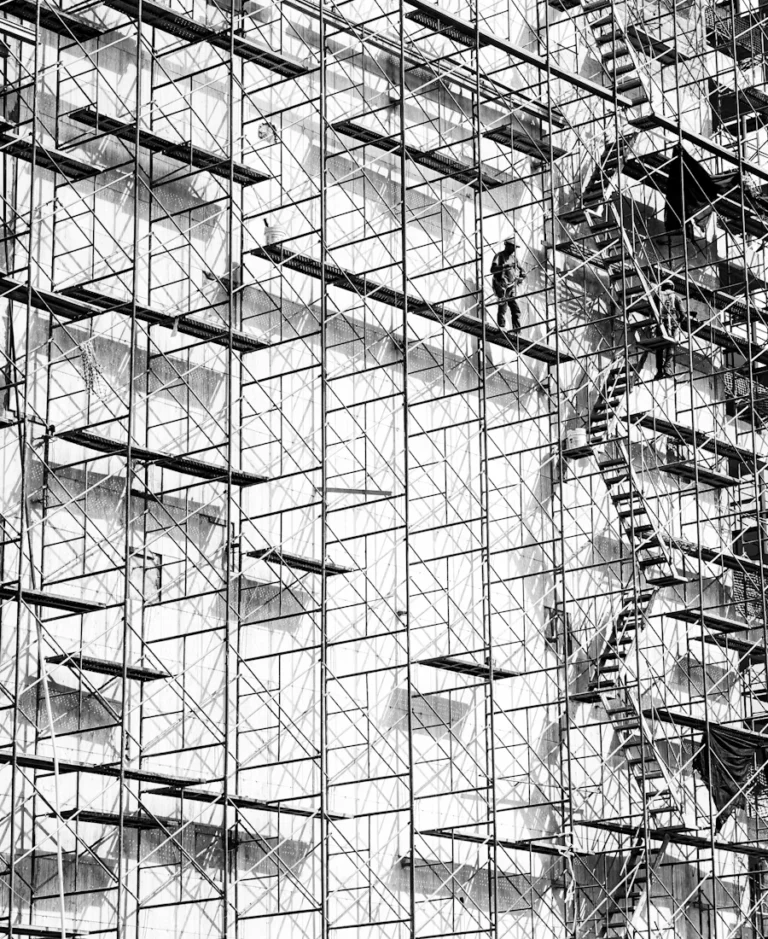
Spalled brick replacement, crack repair, wall ties and partial rebuilds on brick and stone facades.
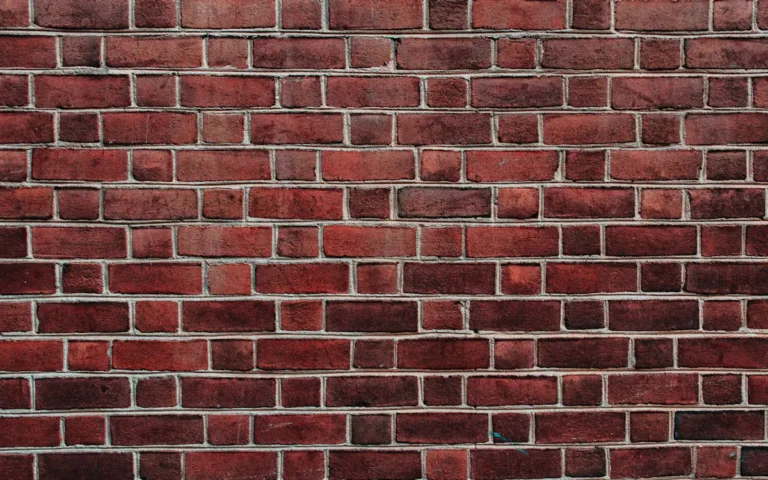
Failed mortar joints cut out and repointed with mortar matched to your brick, so the wall sheds water again.
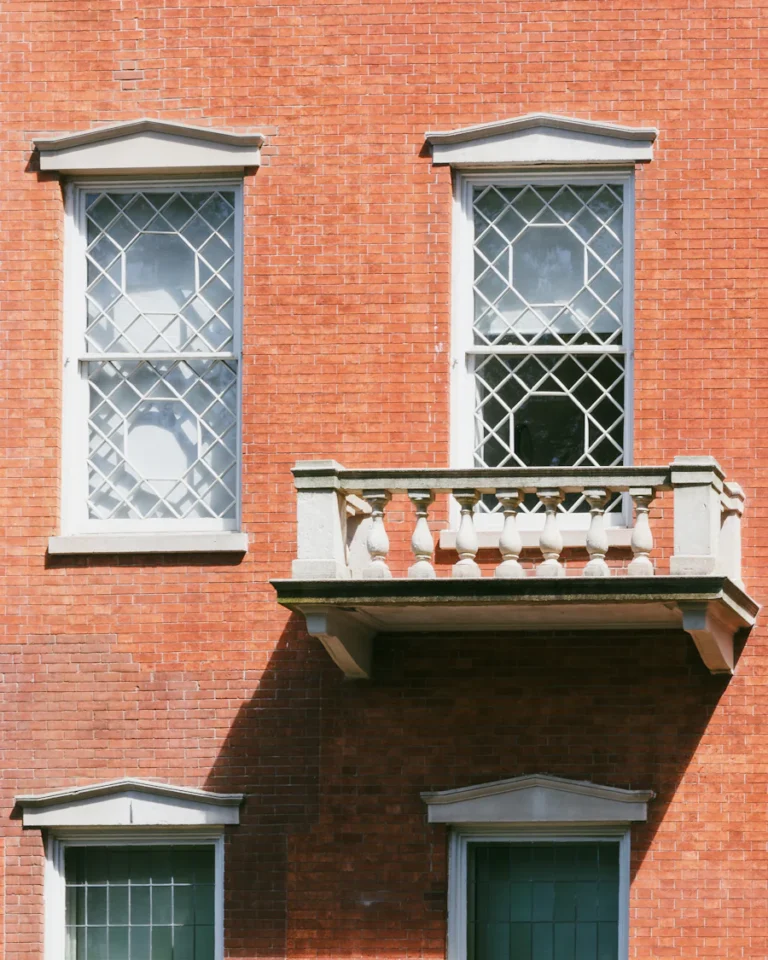
Shored and replaced steel lintels with new flashing and matched brick where rusted steel is cracking window corners.
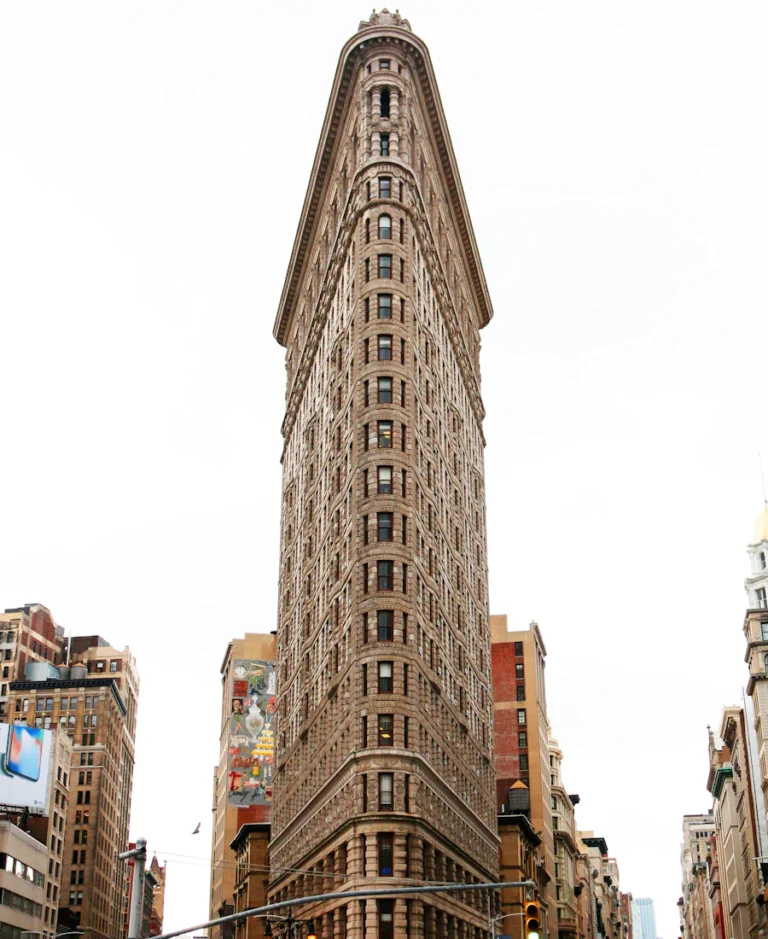
Careful repair, pinning and replacement of terra cotta on prewar commercial and landmark buildings.
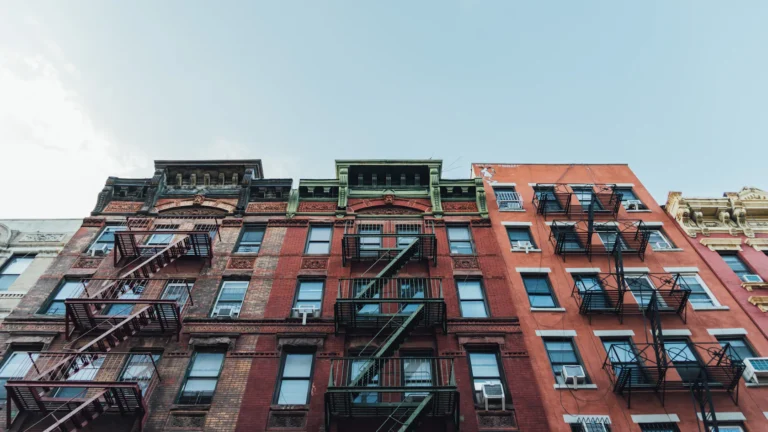
Secured, rebuilt or replaced sheet metal, stone and terra cotta cornices before they fall over the sidewalk.
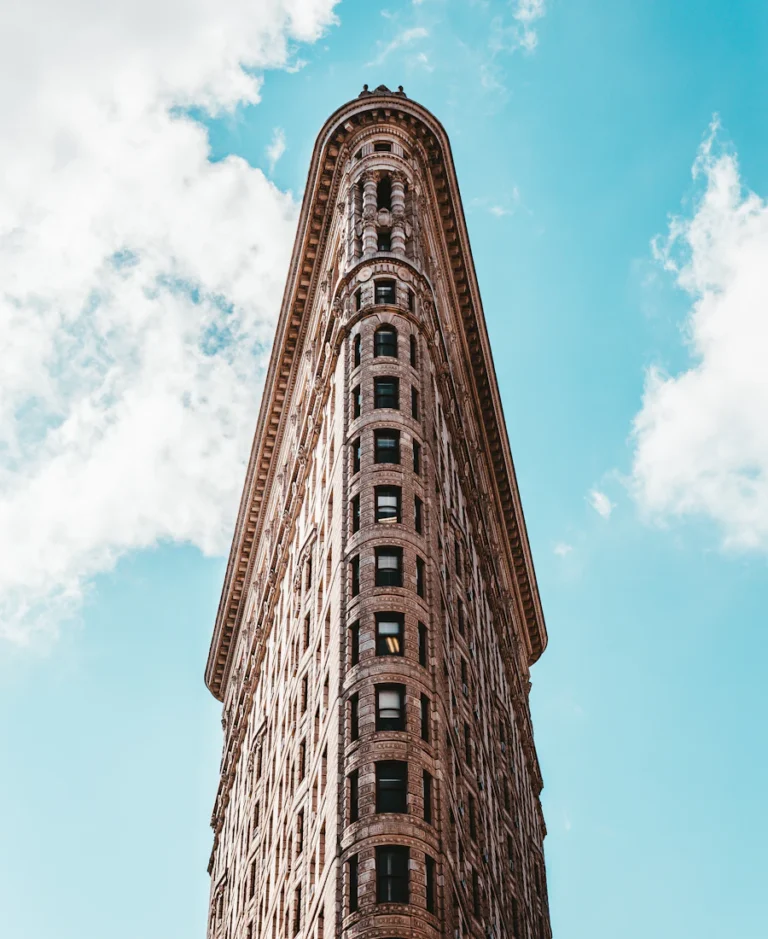
Rebuilt and reinforced parapets with new coping and flashing on the street side where the risk is highest.
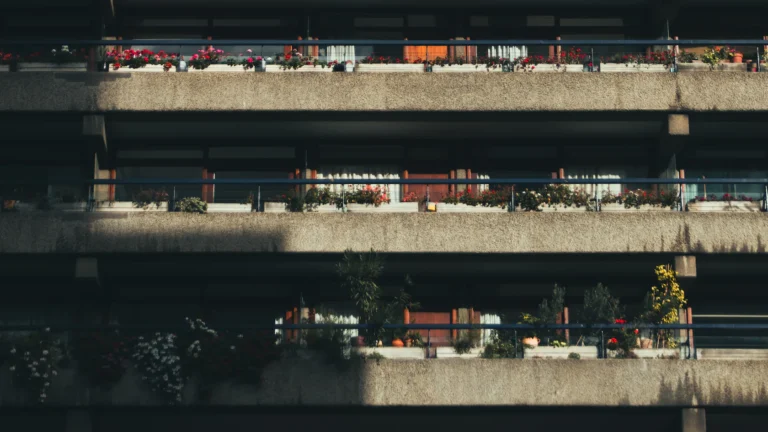
Concrete balcony slab repair and railings re-anchored or replaced to clear FISP balcony inspections.
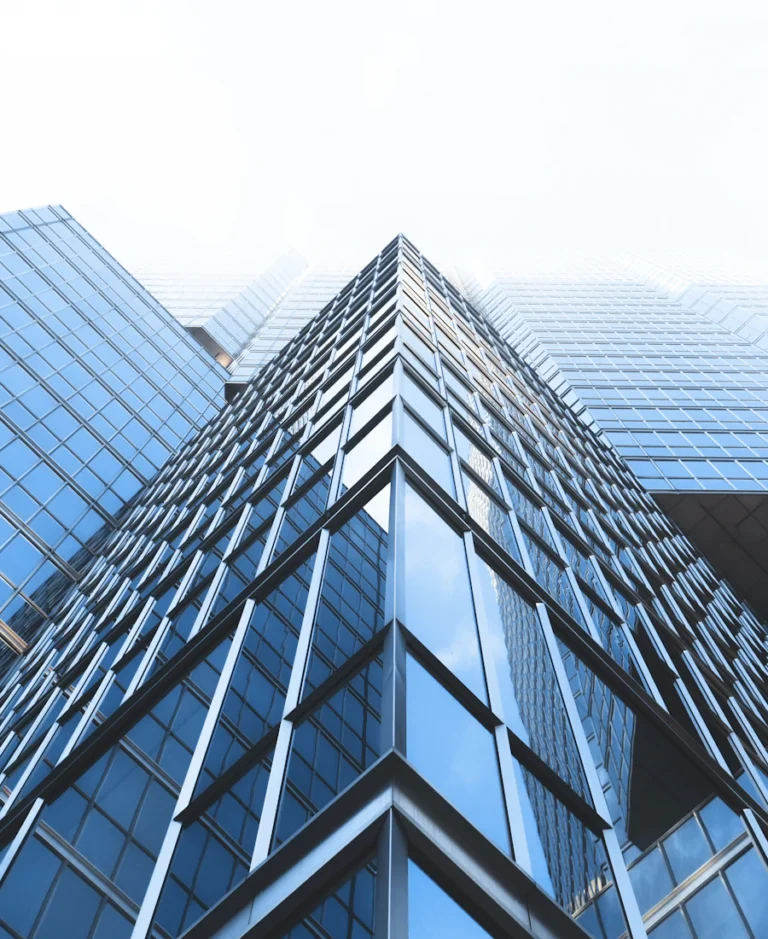
Cut-out and replacement of failed sealant on curtain walls, window perimeters and panel joints.
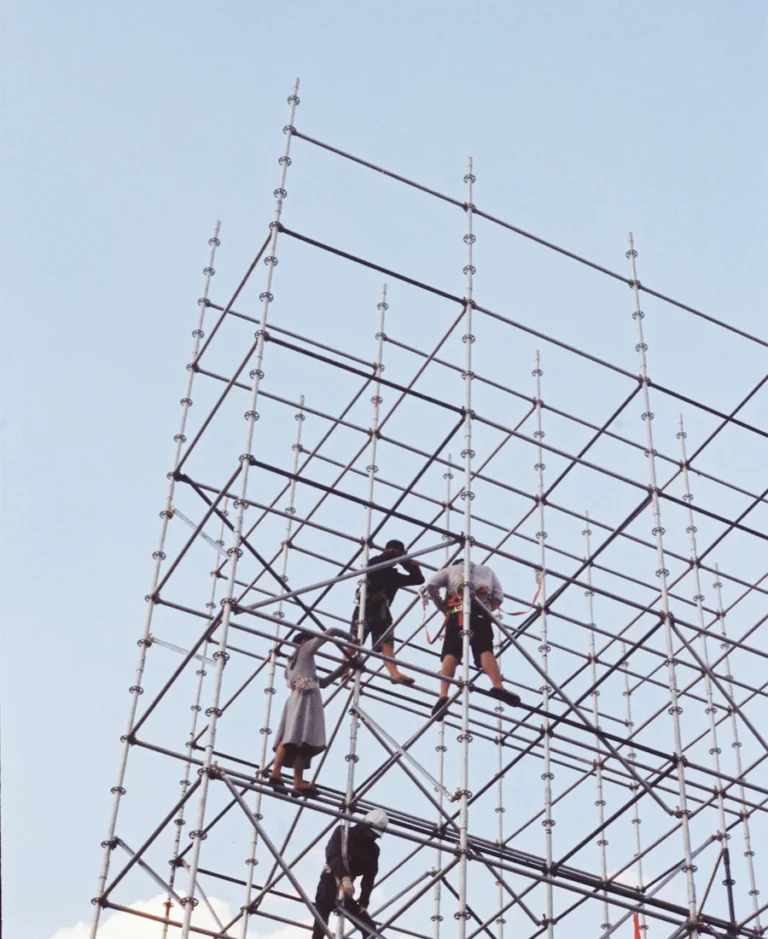
Sheds, pipe scaffolds and swing stages planned to keep tenants moving and keep shed time short.
Commercial and Residential Buildings We Keep Local Law 11 Compliant
Local Law 11 work on a glass office tower looks nothing like work on a prewar loft. We plan access, materials and scheduling around how each building is actually used, so tenants keep working and the facade gets fixed right.
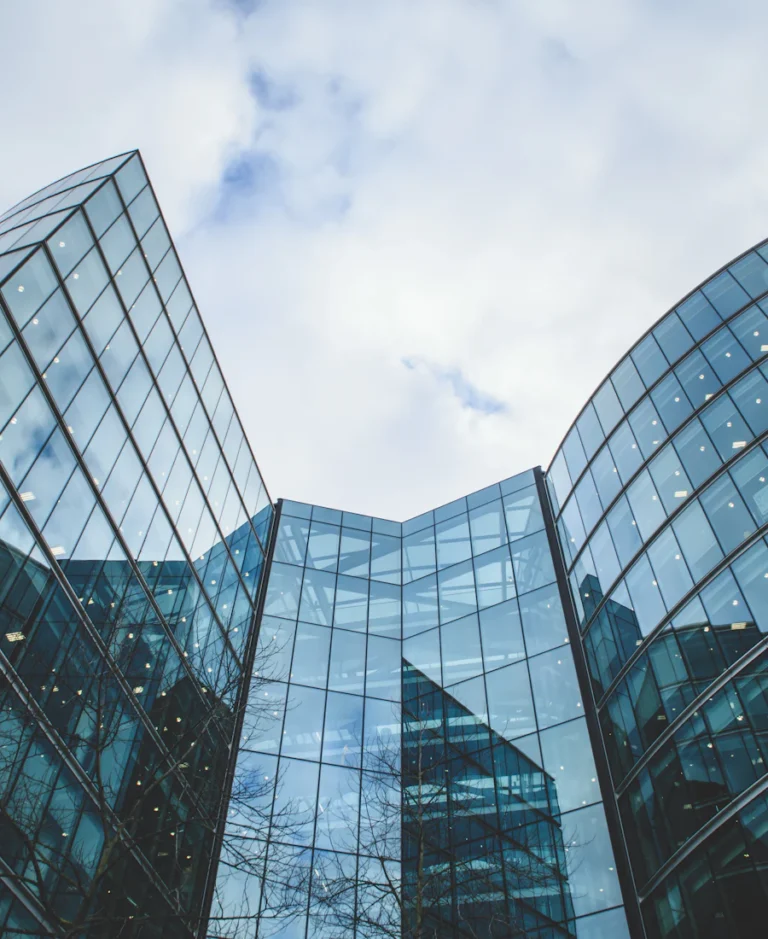
Curtain wall sealant, spandrel panels and setback parapets, with work planned around business hours.
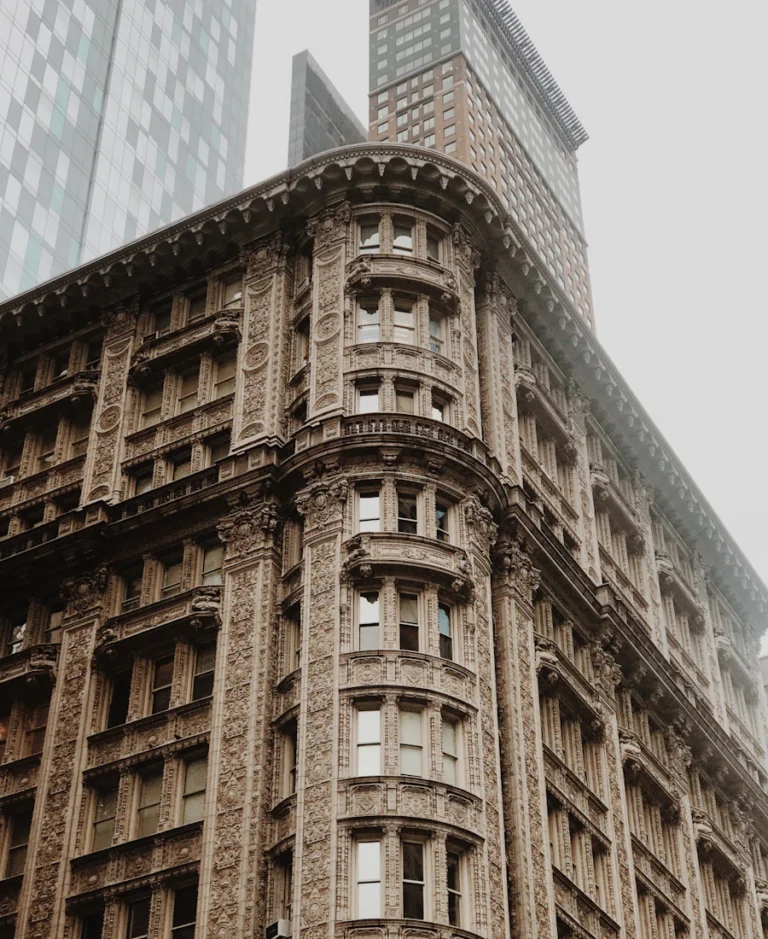
Terra cotta, limestone and brick facades with ornate cornices that need careful, matched repairs.
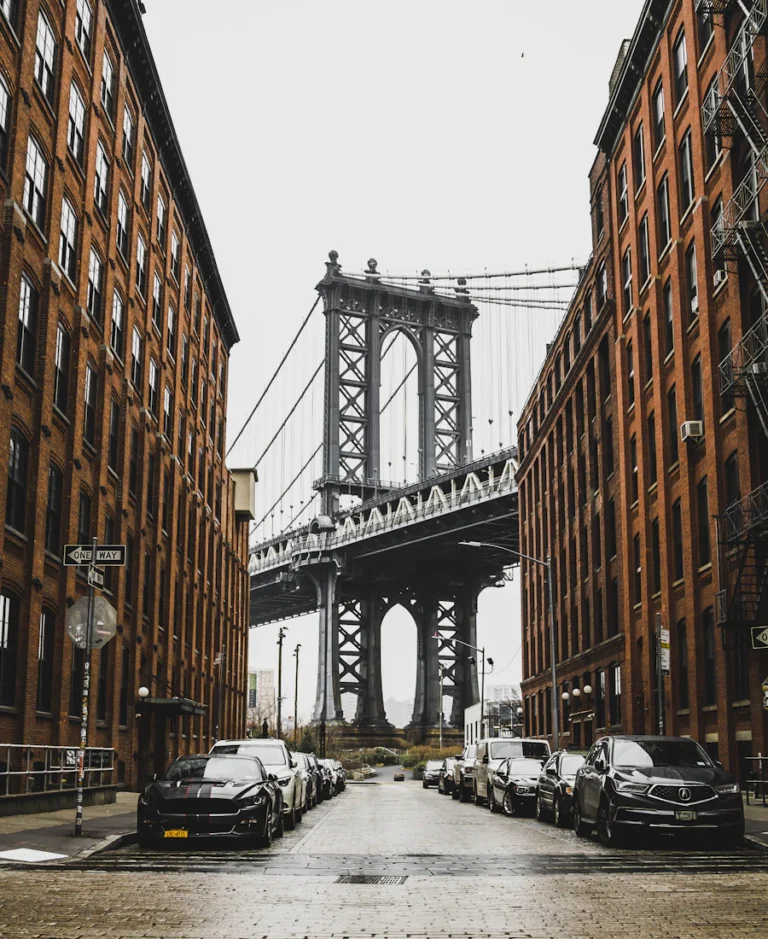
Mixed-use buildings
Stores below and apartments above, with shed layouts that keep retail entrances open.
Hotels
Guest entrances protected at all times and noisy work moved to approved time windows.

Retail and storefront buildings
Street-level protection, sign clearance and fast setup so sales are not lost.
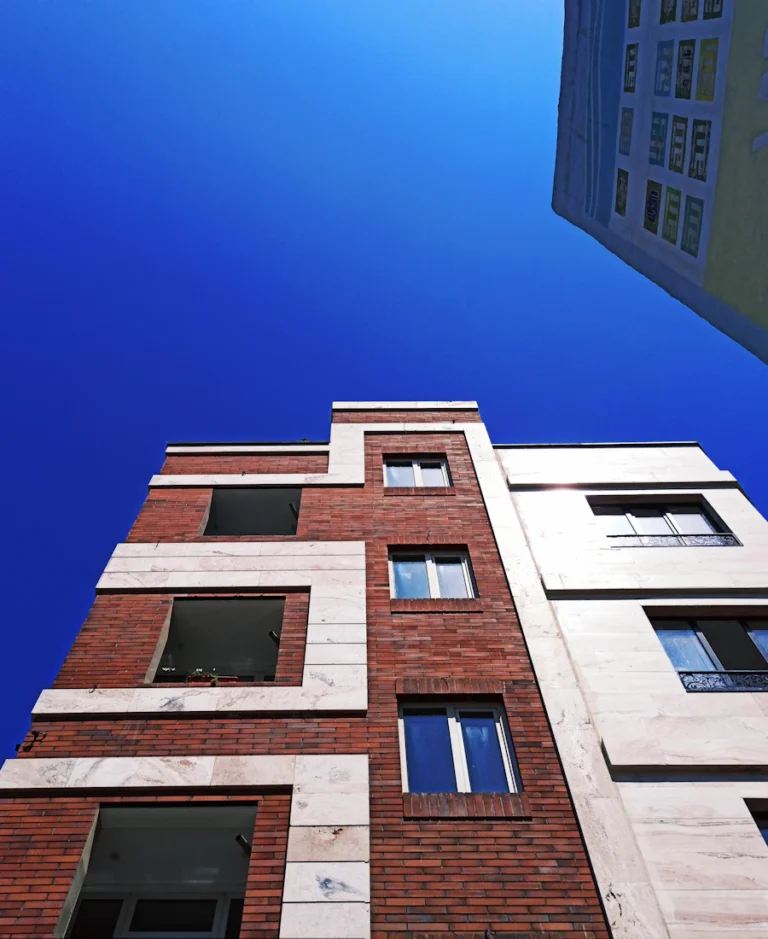
Co-ops, condos and rentals
Balconies, railings and parapets, with clear schedules for boards and residents.
How Local Law 11 Compliance Works From Start to Finish
Six stages take a building from a looming deadline to a posted certificate and a cleared sidewalk.
Confirm your sub-cycle and records
We check the block number, story count, last cycle status, open SWARMP items and any open DOB violations before anyone steps onto a scaffold.
Critical examination by a licensed QEWI
Your QEWI inspects the facade up close from scaffold drops along the street-facing walls. We set up and move the rigging so the inspection stays on schedule.
Technical report and facade status
The QEWI files the report in DOB NOW Safety and rates the building Safe, SWARMP or Unsafe. An unsafe rating calls for public protection right away.
Facade repairs
We repair every item listed in the report, from loose brick to failed sealant, with photos and daily logs your QEWI can review.
Amended report
Once unsafe items are fixed, the QEWI files an amended report within two weeks to confirm the facade is now safe.
Lobby certificate and shed removal
The DOB issues the Exterior Wall Condition Certificate for display in the lobby, and the sidewalk shed comes down.
Safe, SWARMP and Unsafe Facade Ratings Explained
Every Local Law 11 report gives the building one of three ratings, and each one sets a different to-do list for the owner.
Safe
What it means
No repair or maintenance is needed to keep the exterior wall sound, and the QEWI expects it to stay safe for the next five years.
What the owner does next
Keep up routine maintenance and plan the next cycle early.

SWARMP
What it means
Safe With a Repair and Maintenance Program. Safe today, but repairs or maintenance are needed within the five-year cycle to stop the condition from turning unsafe.
What the owner does next
Fix the items before the next inspection. Open SWARMP items must be filed as Unsafe next cycle and carry a $2,000 penalty.
Plan your SWARMP repairs in NYC

Unsafe
What it means
A condition that is a hazard to people or property.
What the owner does next
Protect the public right away, usually with a sidewalk shed, repair within 90 days of filing and have the QEWI file an amended report.
Get fast unsafe facade repair in NYC
What Delaying Local Law 11 Compliance Costs NYC Owners
DOB penalties keep adding up every month a building stays out of compliance, and they land on top of shed rental and repair costs that rise the longer a problem is left alone.
| Situation | DOB penalty or fee |
|---|---|
| Initial report filed late | $1,000 per month |
| Initial report never filed | $5,000 per year |
| SWARMP item left open and refiled as Unsafe | $2,000 |
| Unsafe condition not corrected | Monthly penalties under 1 RCNY 103-04, tied to the length of the sidewalk shed |
| Initial or amended report filing | $425 per filing |
| Extension of time to finish repairs | $305 |
The biggest cost is often the shed itself. Each month it stays up adds rental fees, hides storefront signs and frustrates tenants. Starting the inspection early and finishing repairs fast is almost always the cheaper path for NYC building owners. Our sidewalk shed and scaffolding planning is built to shorten that time.
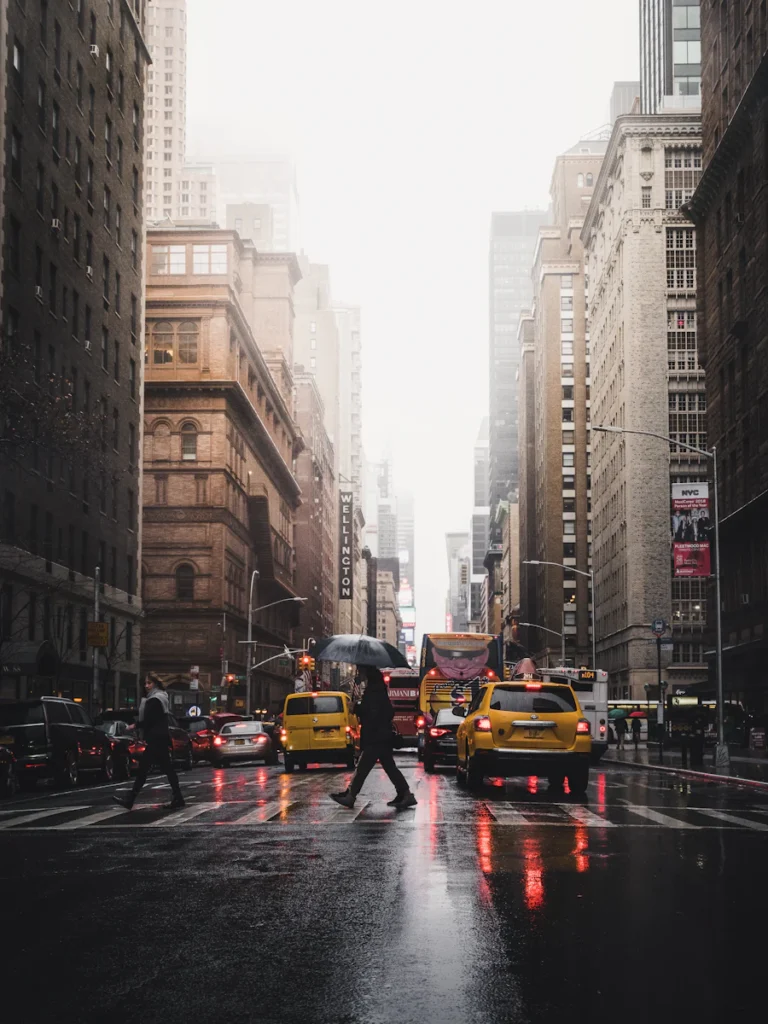
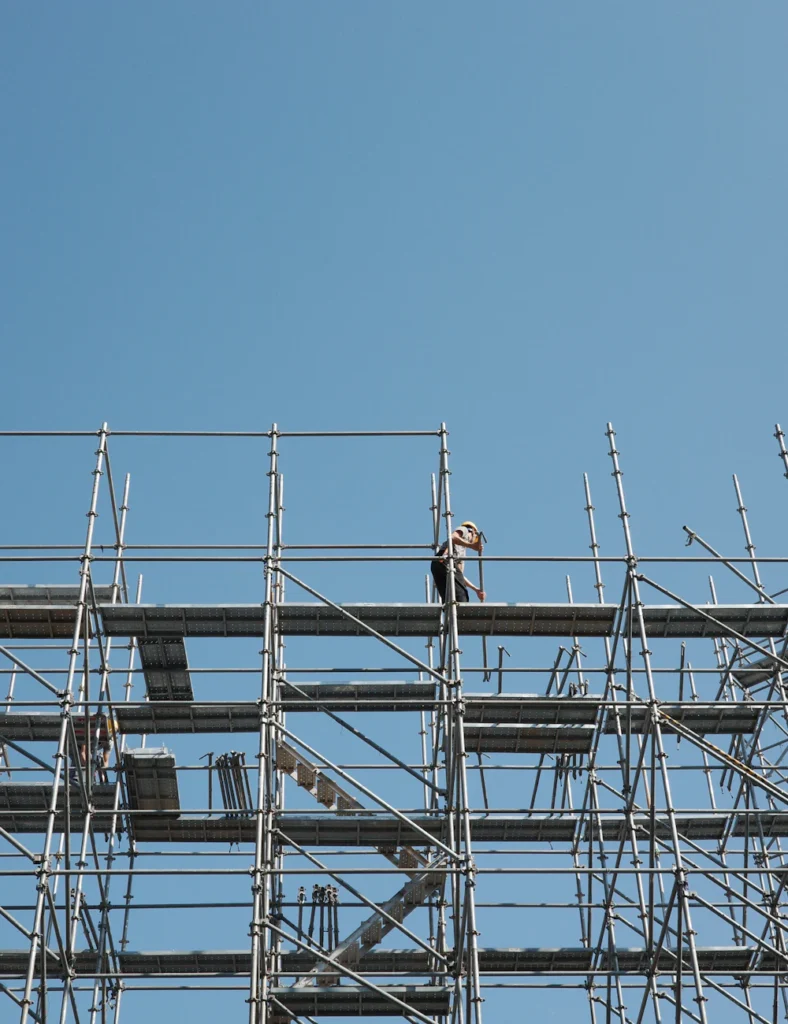
One teamAccess, repairs and paperwork
Why NYC Owners Trust Local Law 11 NYC With Their Facades
A facade program on a busy occupied building has many moving parts. One team handling access, repairs and paperwork keeps the cycle on schedule and keeps surprises off your budget.
Licensed and insured crews
Every mason, rigger and sealant installer on your building works under a licensed and insured contractor.
Our own scaffold and rigging
We provide the scaffold drops and access your QEWI needs, so the inspection never waits on a separate vendor.
Built for occupied buildings
After-hours and weekend work, tenant notices, protected entrances and clean job sites every day.
Records your QEWI can sign off on
Photo logs, repair locations and material records organized by elevation so the amended report moves fast.
Same-day response on unsafe facades
When a QEWI or the DOB flags a hazard, we respond the same day to protect the public and start repairs.
Local Law 11 at a Glance
Local Law 11 Compliance Across NYC Boroughs
We handle Local Law 11 facade work on buildings throughout New York City, with crews who know the building stock and street conditions of each borough.
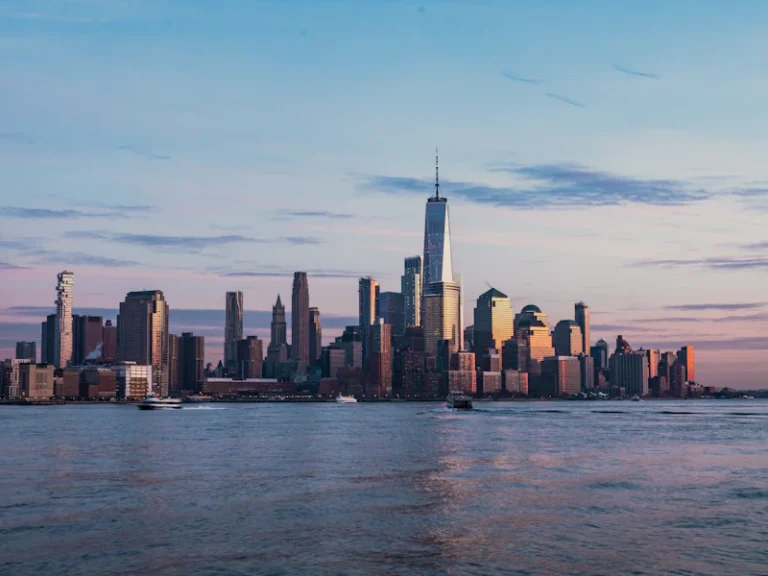
Manhattan
Midtown and Downtown office towers, prewar terra cotta landmarks and Upper East and West Side co-ops, where narrow sidewalks make shed planning critical.

Brooklyn
Downtown Brooklyn towers, converted warehouses in Williamsburg and DUMBO, and large brick apartment buildings in Park Slope, Brooklyn Heights and Flatbush.
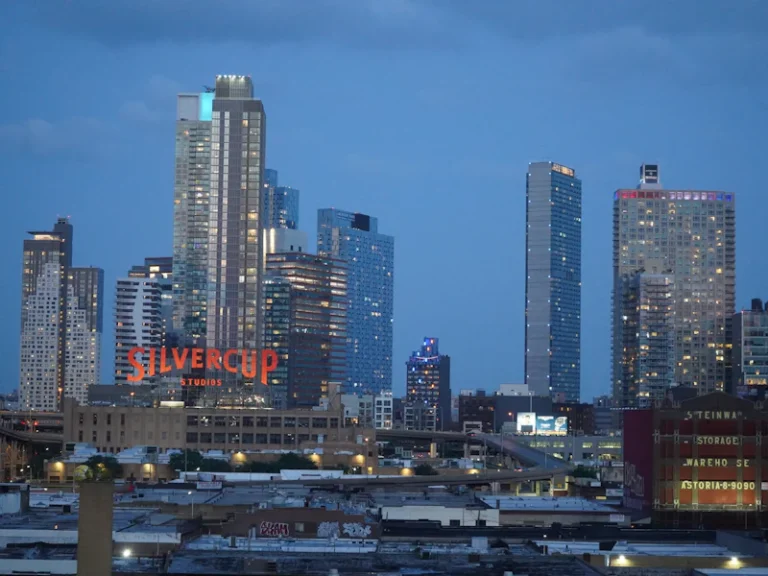
Queens
Long Island City high-rises, Forest Hills and Rego Park co-ops, and mixed-use buildings along Queens Boulevard.
Bronx
Art Deco apartment houses on the Grand Concourse, Riverdale co-ops and large rental buildings with balconies, parapets and fire escapes.
Local Law 11 NYC Questions Building Owners Ask
Straight answers on deadlines, ratings, penalties and timing. Still unsure where your building stands? Talk to our team.
Which buildings must comply with Local Law 11 in NYC?
Every building in New York City taller than six stories must comply. That includes office towers, hotels, mixed-use properties, co-ops, condos and rental apartment buildings. The law covers all exterior walls and everything attached to them, such as parapets, balconies, railings and fire escapes.
How often is a Local Law 11 inspection required?
A Local Law 11 inspection is required once every five years. Each five-year cycle is split into sub-cycles, and Cycle 10 runs from February 21, 2025 to February 21, 2029.
How do I find my FISP Cycle 10 filing deadline?
Look at the last digit of your tax block number. Blocks ending in 4, 5, 6 or 9 file in Sub-cycle 10A by February 21, 2027. Blocks ending in 0, 7 or 8 file in 10B by February 21, 2028. Blocks ending in 1, 2 or 3 file in 10C by February 21, 2029.
Who is allowed to perform a Local Law 11 inspection?
Only a Qualified Exterior Wall Inspector can inspect the facade and file the report. A QEWI is a New York State licensed architect or professional engineer with at least seven years of relevant experience on facades over six stories. Local Law 11 NYC works alongside licensed QEWIs and handles the scaffold access and repairs, while the QEWI signs and files the report.
What happens if my facade is rated Unsafe?
The owner must protect the public right away, usually with a sidewalk shed. Unsafe conditions must be repaired within 90 days of filing the report, and the QEWI must file an amended report within two weeks after the repairs are done. If more time is needed, the owner can request an extension from the DOB.
What does SWARMP mean on a Local Law 11 report?
SWARMP stands for Safe With a Repair and Maintenance Program. The facade is safe at the time of inspection, but certain items need repair before the next cycle. If those items are still open at the next inspection, they must be reported as Unsafe and the owner faces a $2,000 penalty.
What are the penalties for missing a Local Law 11 deadline?
The DOB charges $1,000 per month for a late initial report and $5,000 per year when no report is filed. Leaving a SWARMP item open until it is refiled as Unsafe costs $2,000. Unsafe conditions that are not corrected bring monthly penalties tied to the length of the sidewalk shed.
How much does Local Law 11 compliance cost for an NYC building?
The cost depends on building height, street frontage, facade material, the number of scaffold drops and how much repair the report calls for. A clean brick facade may only need the inspection and minor pointing, while a prewar terra cotta building can need months of restoration. We give a clear, itemized estimate after reviewing your building and last report.
How long does Local Law 11 work take?
The inspection itself usually takes days to a few weeks depending on the size of the building. Repairs can take a few weeks for small SWARMP items or several months for major masonry or terra cotta work. Starting early in your sub-cycle gives you the most control over the schedule.
Can tenants and storefronts stay open during facade work?
Yes. We plan sheds, scaffolds and work hours so lobbies, storefronts and loading areas stay open and safe. Noisy work can be moved to after-hours or weekends where the building and city rules allow it.
Do I need a sidewalk shed for a Local Law 11 inspection?
Not always. A QEWI can often inspect from scaffold drops without a full shed. A shed becomes required when an unsafe condition is reported or when repair work above the sidewalk puts pedestrians at risk.
What is the Exterior Wall Condition Certificate?
It is a certificate the DOB issues that shows your building’s current Local Law 11 filing status. It must be displayed in the lobby or vestibule where tenants and visitors can see it.
Which areas of NYC does Local Law 11 NYC serve?
We serve buildings across Manhattan, Brooklyn, Queens and the Bronx, from Midtown office towers to Bronx apartment houses.
Get Your Building Ready for Its Next Local Law 11 Filing
Share your building address and sub-cycle, and we will map out access, repairs and timing well before your deadline gets close. Call Local Law 11 NYC today or send your details through our contact page.