- Licensed and insured facade contractor
- Manhattan, Brooklyn, Queens and the Bronx
- Same-day response on unsafe facades
- Call (917) 355-8556
Home/Facade Services NYC/Masonry Facade Repair NYC/Brick Pointing NYC
Brick Pointing NYC for Eroded and Cracked Mortar Joints
Mortar is meant to wear out before the brick does, and on many NYC buildings it already has. Local Law 11 NYC cuts out failed joints and repoints them with mortar matched to your brick, so the wall sheds water again and the repair holds for many years. We repoint apartment buildings, brownstones, co-ops and commercial buildings across Manhattan, Brooklyn, Queens and the Bronx.
- Licensed and insured contractor
- Mortar matched to your brick
- Joints cut to proper depth
What Brick Pointing Is and When a Wall Needs It
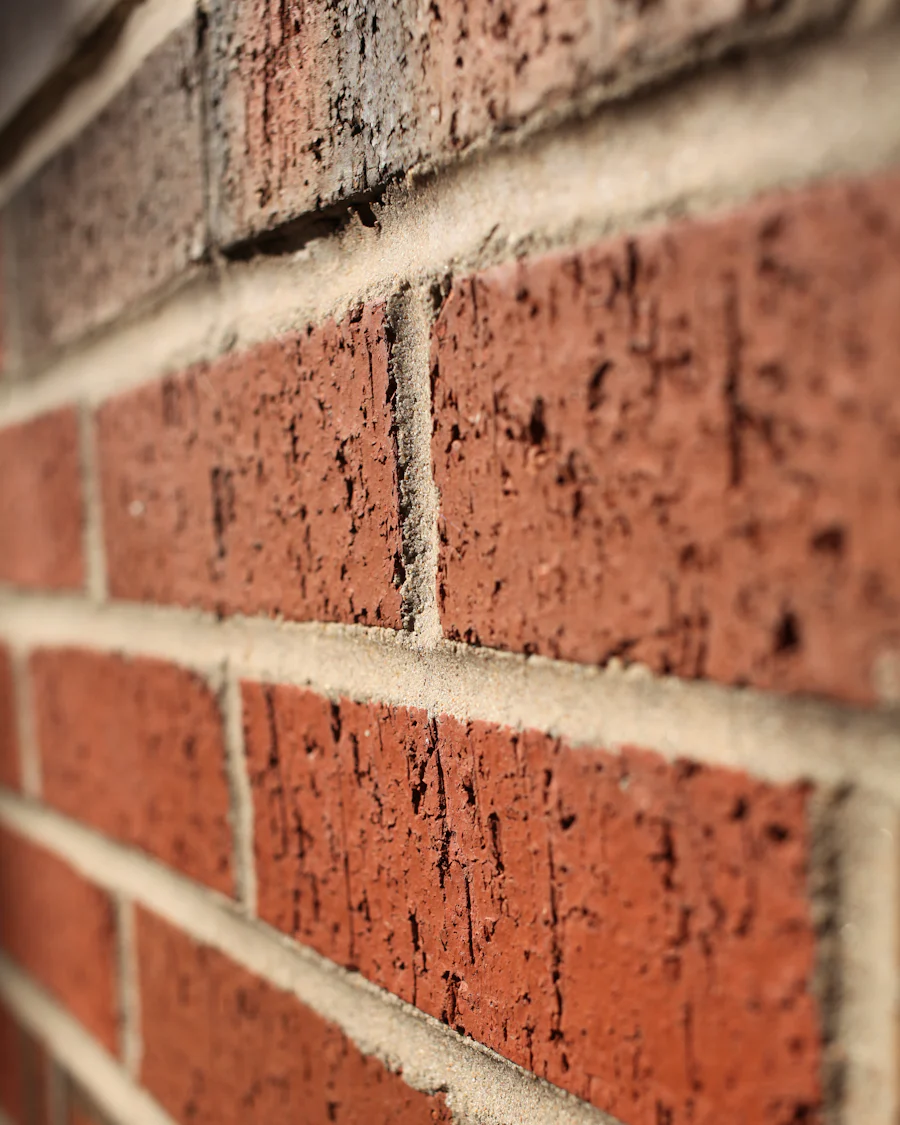
Brick pointing, also called repointing, is the removal of deteriorated mortar from the joints of a brick wall and its replacement with new mortar. A mason cuts the old mortar out to a sound depth, cleans the joint, packs new mortar in thin layers and tools it to match the original joint. A wall needs pointing when joints are recessed, cracked, crumbling or missing, or when water is getting into the wall through the joints.
Mortar joints make up a large share of a brick facade, and they take the weather first. When they erode, rain runs into the wall instead of off it, freeze and thaw cycles loosen the brick and leaks show up inside. Repointing at the right time is one of the least costly ways to protect a masonry facade, and it heads off the larger repairs covered on our masonry facade repair NYC page.
- Licensed and insured contractor
- Mortar tested against your brick
- Joints cut, never smeared over
- Photo log by elevation
Repointing, Tuckpointing and Spot Pointing Compared
These terms get mixed up a lot. Here is what each one actually means on an NYC facade.
| Method | What it is | Best for |
|---|---|---|
| Repointing | Cutting out failed mortar and replacing it with new mortar matched to the old | Most NYC facades with eroded or cracked joints |
| Tuckpointing | Repointing with a colored mortar to match the brick, then adding a thin raised line in a contrasting color | Historic buildings that were built with this finish |
| Spot pointing | Repointing only the failed areas of a wall | Local damage on an otherwise sound wall |
| Full elevation pointing | Repointing an entire wall in one program | Walls where most of the joints have failed |
Smearing new mortar over old joints, sometimes called a skim coat or slurry, looks fast and cheap but fails quickly and traps water in the wall. We cut out every joint we point. Cracked brick at the corners of windows is usually a lintel problem, not a mortar problem, and is covered on our steel lintel replacement NYC page.

The joint profile is part of how a brick wall looks and how it sheds water.
Signs Your Brick Needs Pointing
Most pointing problems are easy to see from the sidewalk or the roof once you know what to look for.

Recessed Joints
Mortar sitting well back from the face of the brick has eroded and no longer sheds water.
Cracked Mortar
Hairline and open cracks along the joints let water straight into the wall.
Sandy or Crumbling Mortar
Mortar that rubs away with a finger has lost its binder and needs to be cut out.
Open Joints at Parapets and Chimneys
The most exposed parts of the wall lose mortar first and leak into the floors below.
Leaks and Damp Walls Inside
Wet plaster, peeling paint and stains on exterior walls often trace back to open joints.
Staining, Moss and Plant Growth
White salts, green growth and plants rooted in joints show water moving through the wall.
When the brick itself is cracked, loose or bulging, pointing alone will not fix it. That calls for brick replacement or rebuilding, covered on our masonry facade repair NYC page.
Our Brick Pointing Process
Good pointing is slow, careful work. These are the steps we follow on every wall.
01
Inspect and test
We check the joints and brick, take samples where needed and build a test panel so you can approve the mortar color and finish.
02
Cut out the joints
Old mortar is removed to a depth of about two to two and a half times the joint width, or deeper to reach sound mortar.
03
Clean the joints
Dust and loose material are blown out, and the joints are dampened so the brick does not pull water from the new mortar.
04
Pack in thin layers
New mortar goes in a layer at a time, and each layer firms up before the next one is added.
05
Tool to match
The final layer is tooled to the same profile as the original joints so the repair blends in.
06
Cure and protect
The work is kept damp and shaded from sun, wind and frost while the mortar cures.
07
Clean and document
Mortar smears are cleaned off the brick and every elevation is photographed for your records.

New mortar is packed in thin layers so each one cures fully.
Choosing the Right Mortar for NYC Brick
The wrong mortar can damage a wall faster than no repair at all, so we match the mix to the brick in front of us.
Softer Than the Brick
New mortar has to be softer and more breathable than the brick around it, so movement and moisture pass through the joints instead of cracking the brick. The National Park Service explains this in its Preservation Brief 2 on repointing.
Lime Mortar for Prewar Brick
Older NYC brick is often soft, and it was laid in lime-rich mortar. Repointing it with hard cement mortar can crack and spall the brick faces, so prewar walls get a lime-rich mix, often close to an ASTM Type O mortar.
Cement-Lime Mortar for Newer Walls
Harder postwar brick usually takes a cement-lime mortar, commonly an ASTM Type N mix, which balances strength with flexibility.
Matching Color and Texture
Sand color, grain and pigment are matched to the existing joints, and we show you a sample panel before the full wall is pointed.
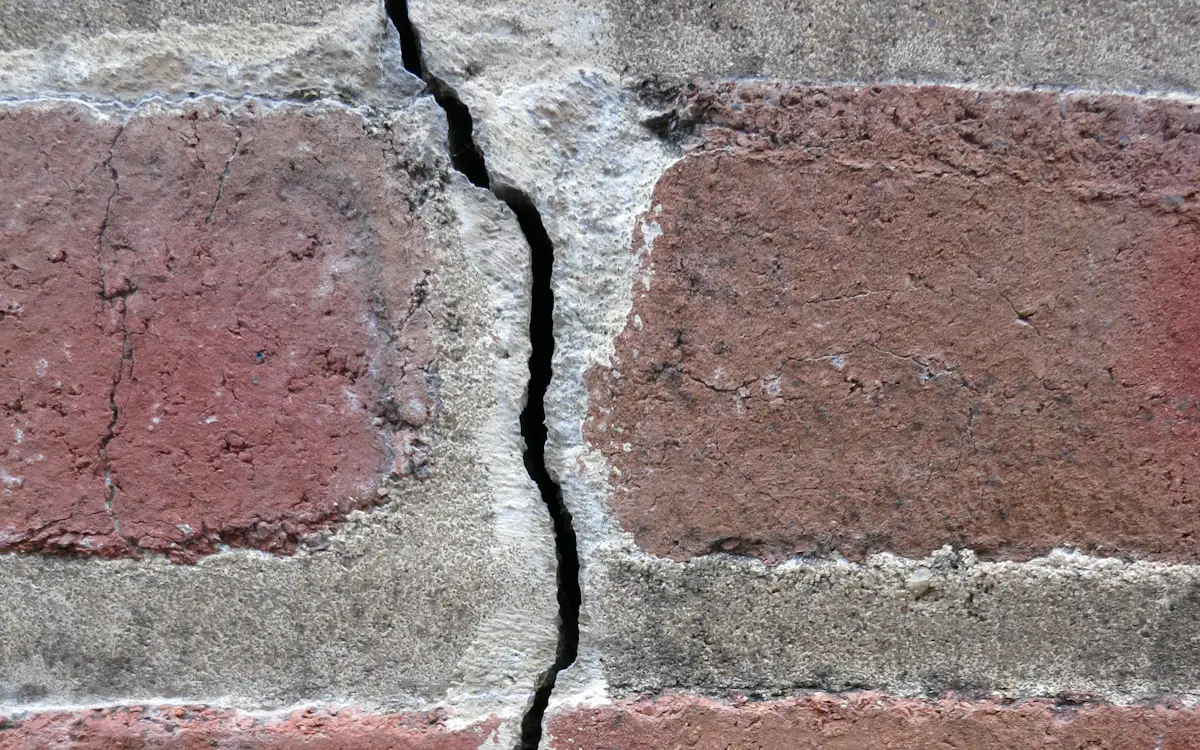
Mortar that is harder than the brick will crack the brick instead.
Brick Pointing Cost and Scheduling in NYC
Pointing is priced by area and joint condition, and the season matters as much as the size of the wall.
- Square footage of wall to be pointed
- How deep the joints have to be cut
- Mortar type and color matching
- Access by swing stage, scaffold or lift
- Landmarks review on historic buildings
- Weather and the length of the season
Mortar needs temperatures above freezing to cure, so most pointing in NYC is scheduled from spring through fall. Under DOB facade filing guidance, repointing brick generally does not need a work permit, although sidewalk protection and landmarks approval may still apply.
Eroded joints are a common SWARMP item on FISP reports. Pointing them before the next cycle keeps them from turning into loose brick, as explained on our SWARMP repairs NYC page.
Pointing Brownstones, Landmarks and Prewar Buildings
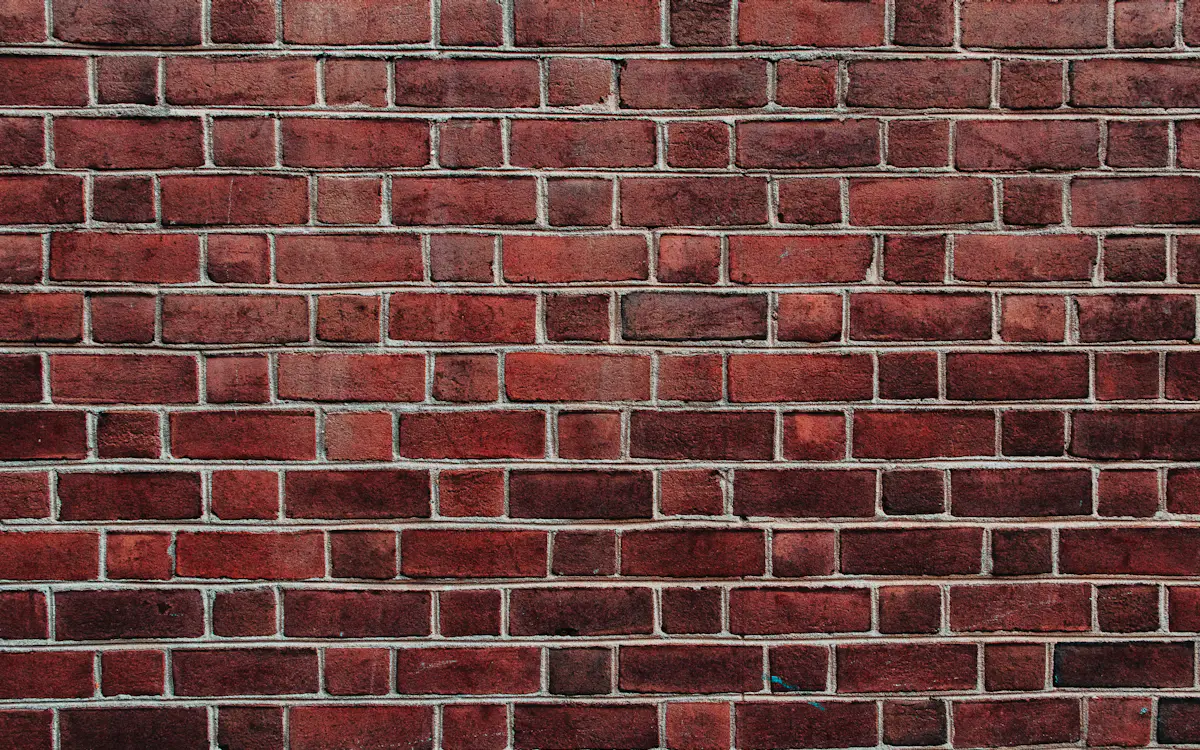
Historic brick needs the most care, because a bad pointing job is very hard to undo.

Landmarks Approval
On landmarked buildings the Landmarks Preservation Commission often reviews mortar samples and joint cutting before work begins, and we prepare those samples.
Hand Tools on Soft Brick
Narrow historic joints are cut by hand or with care so the edges of soft brick are not widened or chipped.
Matching Joint Profiles
Flush, concave, struck and raised joints are copied from the original so the wall keeps its look.
Brick Pointing Across NYC Boroughs
Every borough has its own mix of brick and mortar, and each one wears differently.

Manhattan
Prewar co-ops and walk-ups on the Upper West Side, Harlem and the East Village, plus loft buildings downtown with soft historic brick.
Brooklyn
Brownstone and brick row houses in Park Slope, Fort Greene and Bed-Stuy, and six-story apartment buildings across Flatbush and Bay Ridge.
Queens
Brick row houses in Ridgewood and Sunnyside and apartment buildings in Jackson Heights and Astoria.
Bronx
Large brick apartment houses along the Grand Concourse, in Fordham and Riverdale with long, exposed elevations.
More Masonry and Facade Services
Pointing is often the first step in a larger masonry program.
Masonry Facade Repair NYC
Brick, stone, wall ties and rebuilds
Steel Lintel Replacement NYC
Rusted lintels over windows and doors
Parapet Wall Repair NYC
Annual parapet observations and repairs
Facade Caulking and Sealant NYC
Sealant replacement at windows and joints
SWARMP Repairs NYC
Phased repairs before items turn Unsafe
Local Law 11 Facade Repair NYC
Repairs built straight from your FISP report
Terra Cotta Repair NYC
Pinning, patching and matched replacement
FISP Inspection NYC
QEWI access, scaffold drops and filing support
Unsafe Facade Repair NYC
Same-day protection and make-safe work
Sidewalk Shed and Scaffolding NYC
Sheds, pipe scaffolds and swing stages
Balcony Repair NYC
Balcony slabs, railings and terrace guards
Cornice Repair NYC
Sheet metal, stone and terra cotta cornices
Brick Pointing NYC FAQs
Answers on repointing, mortar, timing and permits.
How often does brick need repointing in NYC?
Well done pointing can last for decades. Exposed areas like parapets, chimneys and corners wear out sooner, so they are often repointed between full facade programs.
Is pointing the same as repointing?
Pointing is the original filling of the joints when a wall is built. Repointing is cutting out worn mortar and replacing it later, though most people use the two words the same way.
Is tuckpointing the same as repointing?
Not quite. Tuckpointing is a decorative style of repointing that adds a thin contrasting line on a colored joint. Most NYC buildings need ordinary repointing.
Can repointing stop leaks in my apartment?
It often does when the leak comes through open joints. Leaks can also come from failed caulking, flashing or the roof, so we look at all of them before recommending a fix.
Does brick pointing need a DOB permit?
Repointing generally does not need a DOB work permit under the city’s facade filing guidance. Sidewalk protection and landmarks approval may still be required.
What mortar is used to repoint prewar brick?
Prewar brick usually gets a soft, lime-rich mortar that is weaker than the brick, so the joints take the wear instead of the brick faces.
How deep should old mortar be cut out?
A common rule is about two to two and a half times the width of the joint, and always back to sound mortar.
Can brick pointing be done in winter?
Mortar must not freeze while it cures, so pointing is usually done from spring through fall. Small urgent repairs can be done in cold weather with heated enclosures.
Will the new mortar match the old color?
We match sand, pigment and texture and show you a sample panel first. New mortar can look slightly brighter at first and settles in as it weathers.
Is grinding out mortar bad for brick?
Careless grinding can widen joints and chip brick edges. On soft or historic brick we cut carefully or by hand to protect the brick.
Should the whole building be repointed at once?
Not always. Many buildings repoint the worst elevations first and plan the rest over later seasons or the next FISP cycle.
Can a sealer or coating replace repointing?
No. A coating over open joints does not fill them and can trap moisture in the wall. The joints have to be repointed first.
Repoint Your Brick Before Small Leaks Become Facade Repairs
Send us photos of the joints, your FISP report or the location of a leak. Local Law 11 NYC will check the wall, test the mortar and give you a clear price by elevation.